







































































































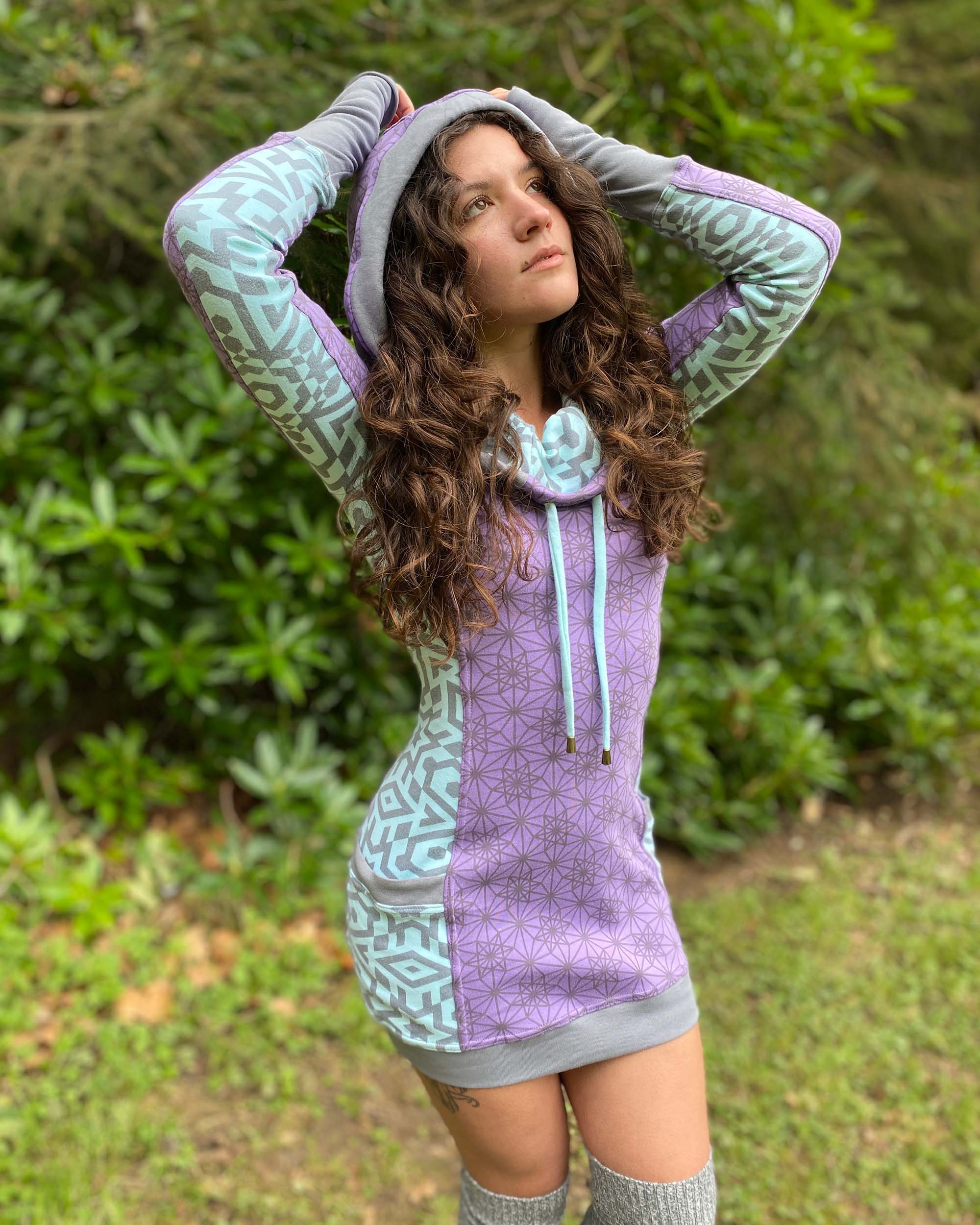
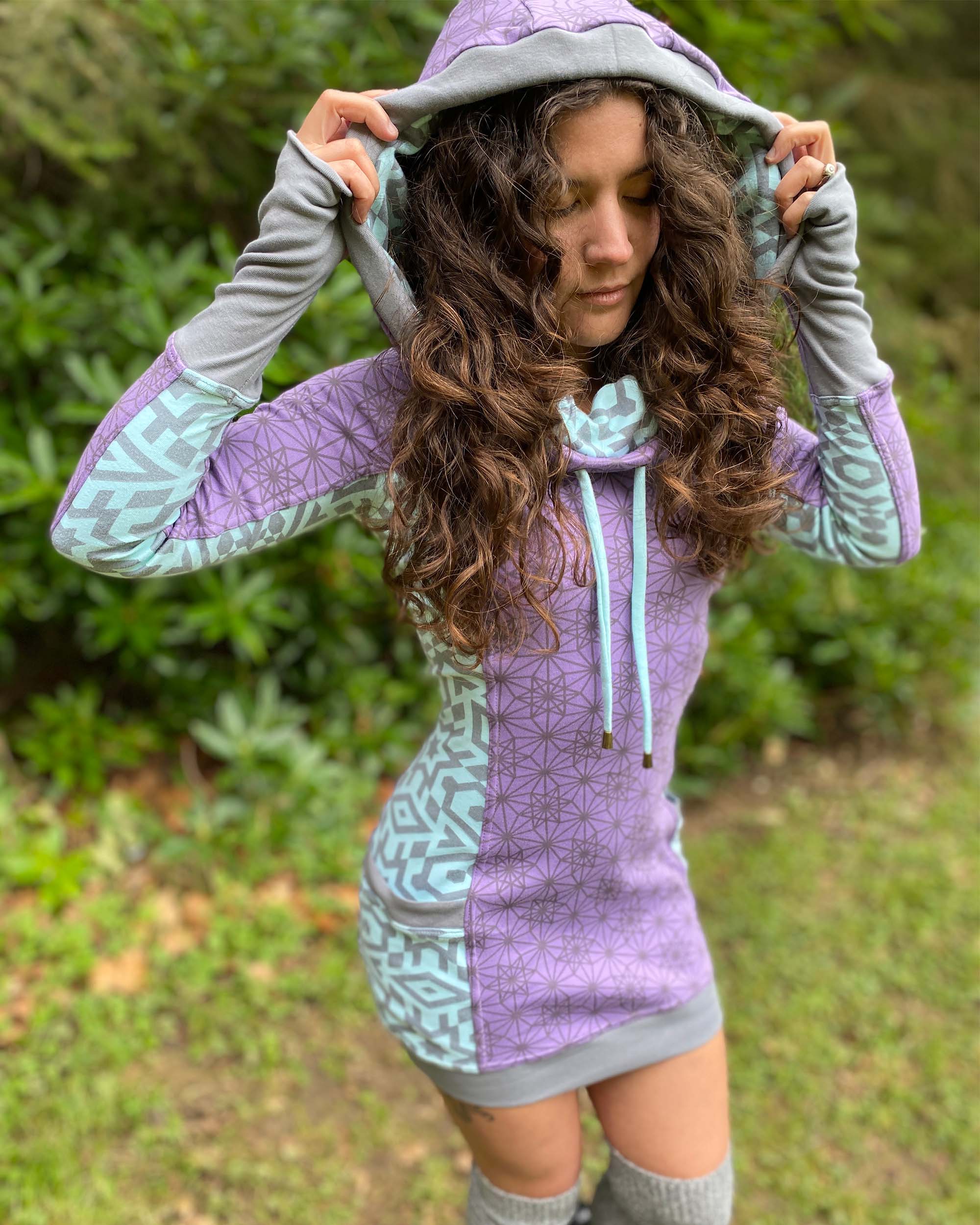
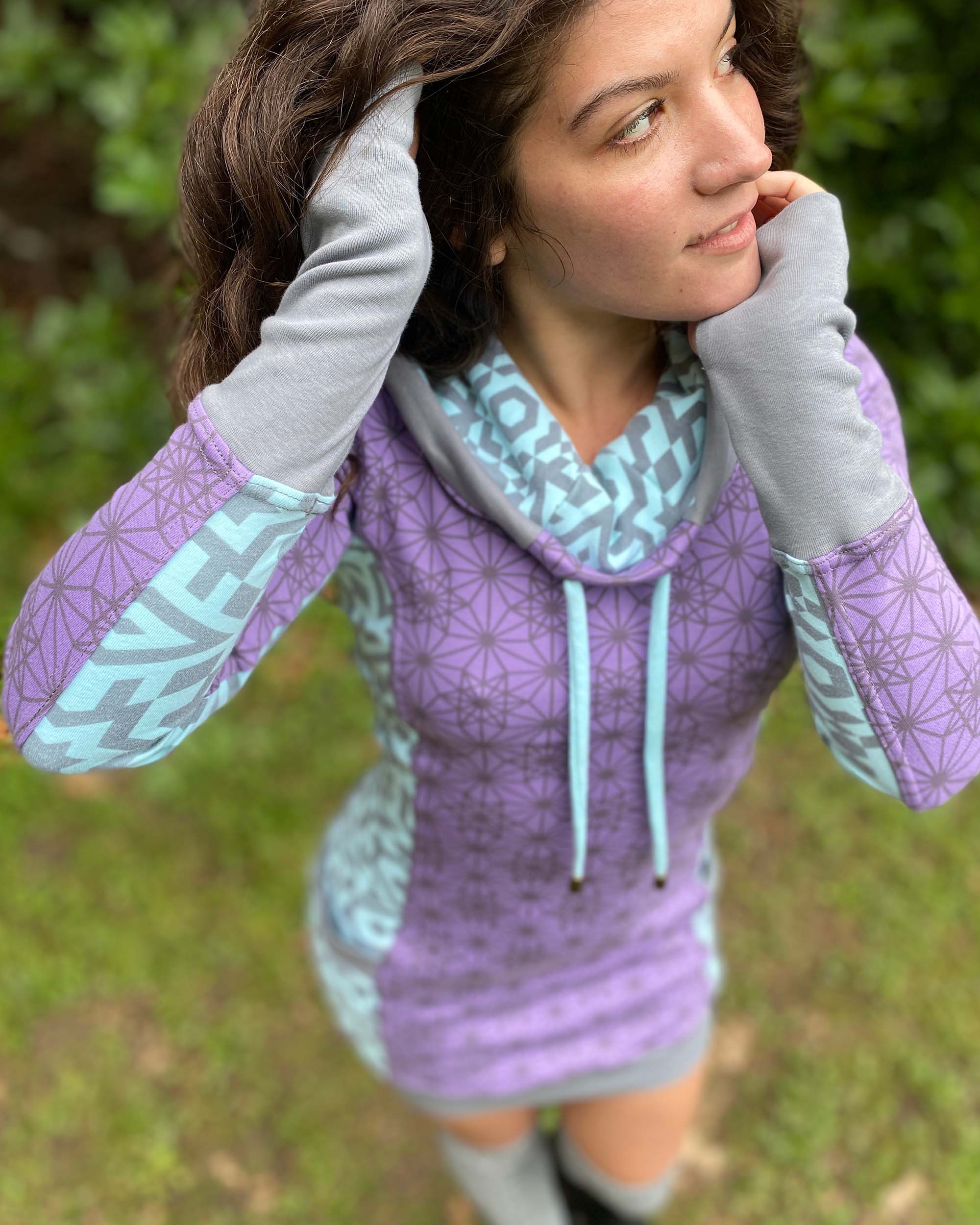



















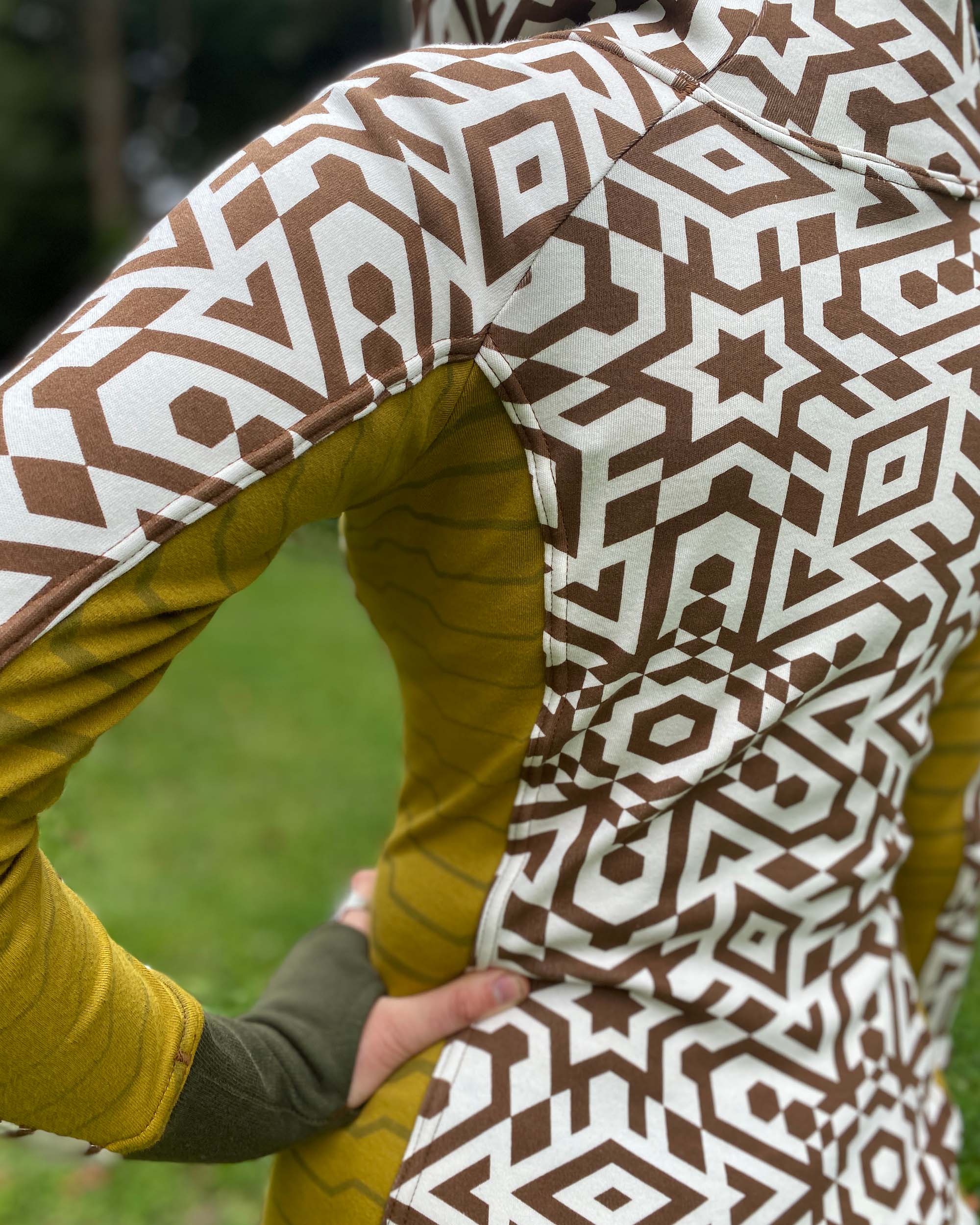









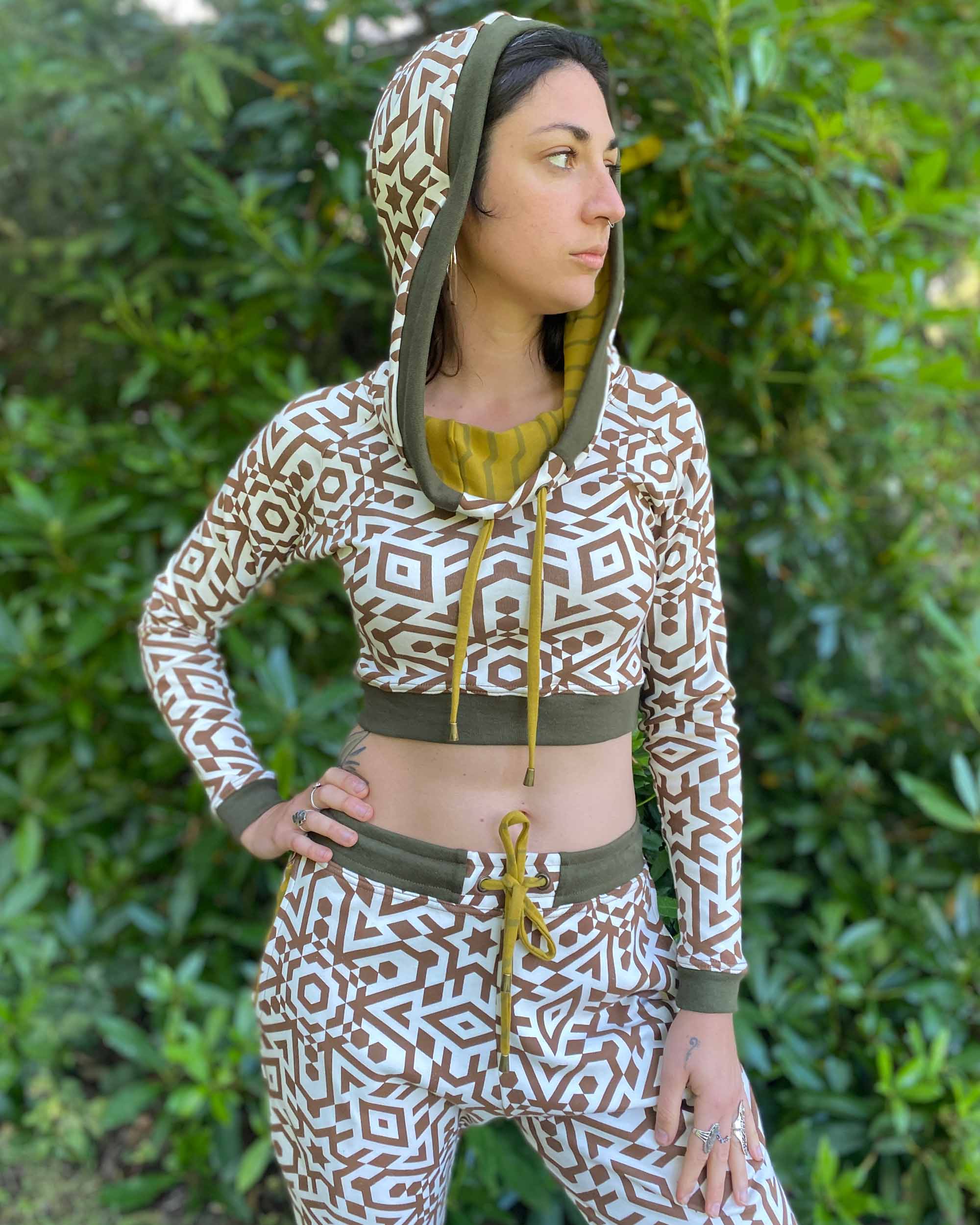
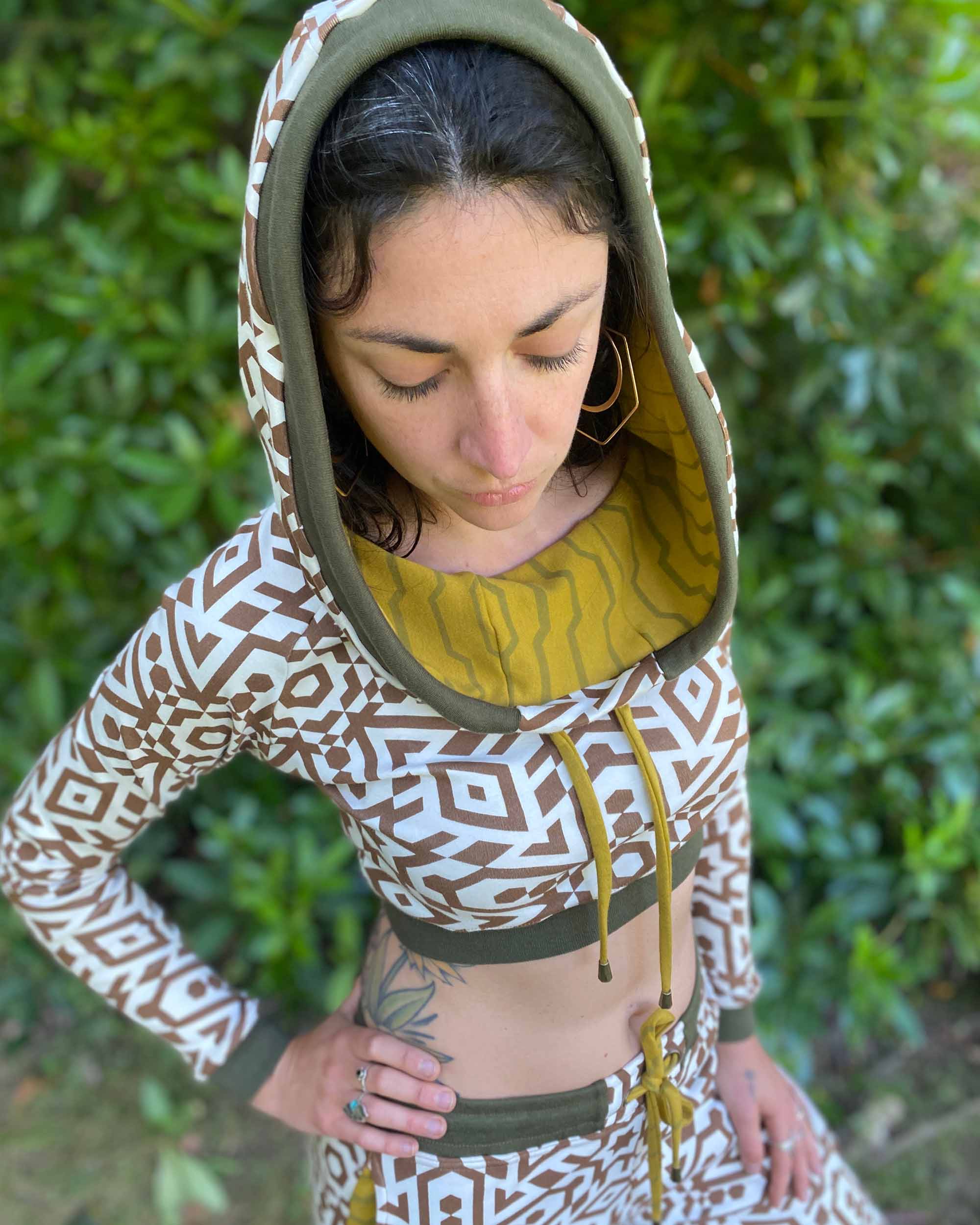

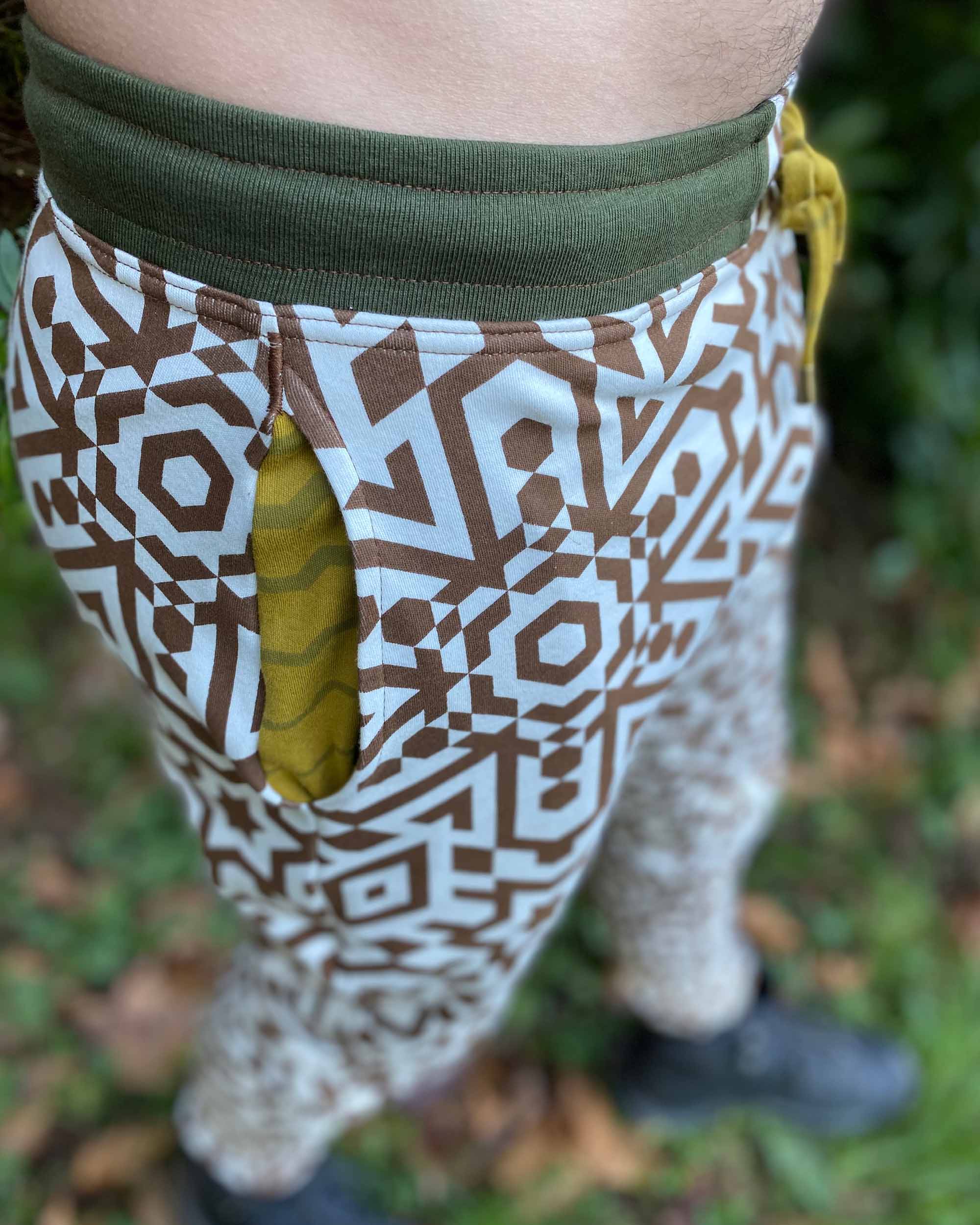















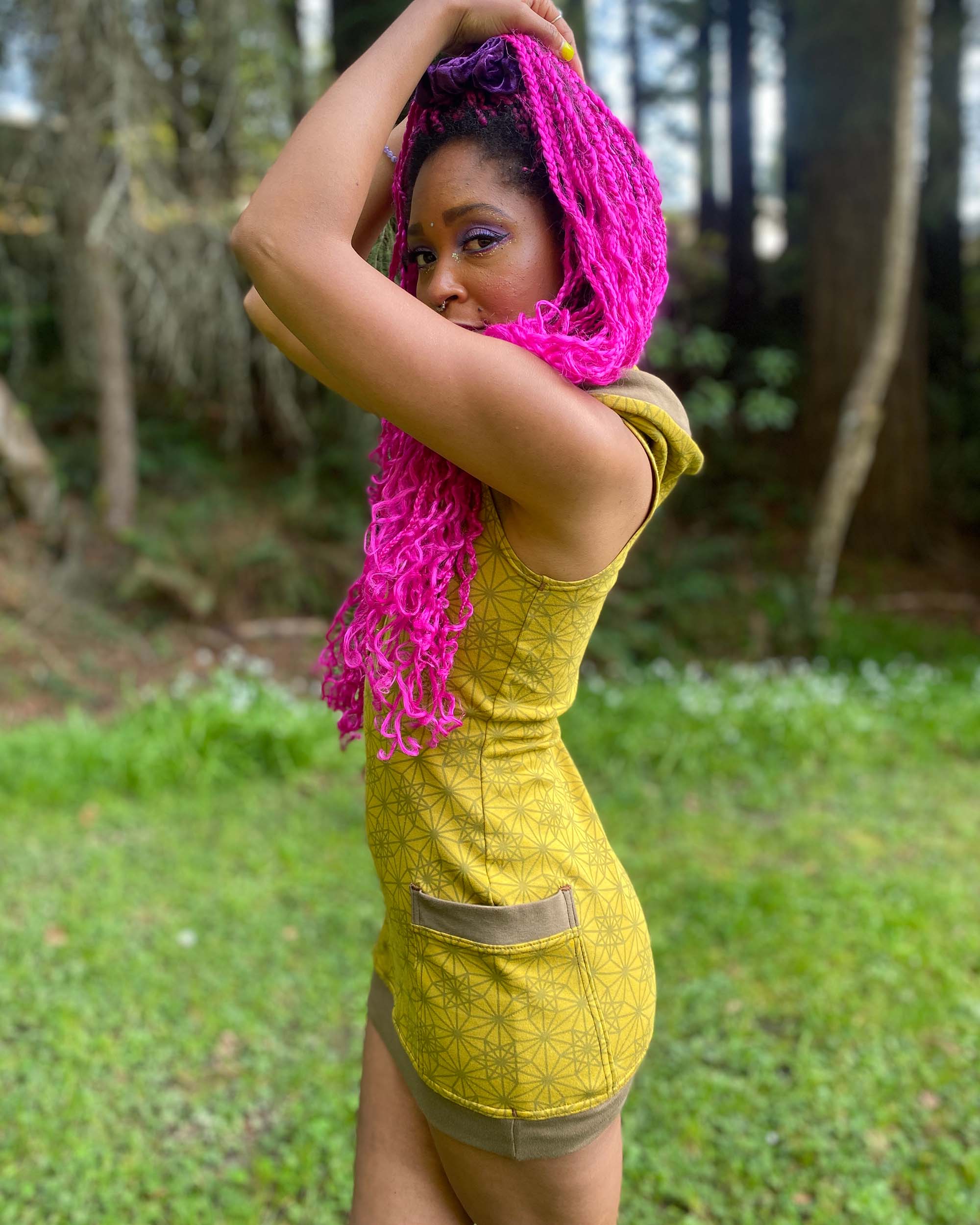

























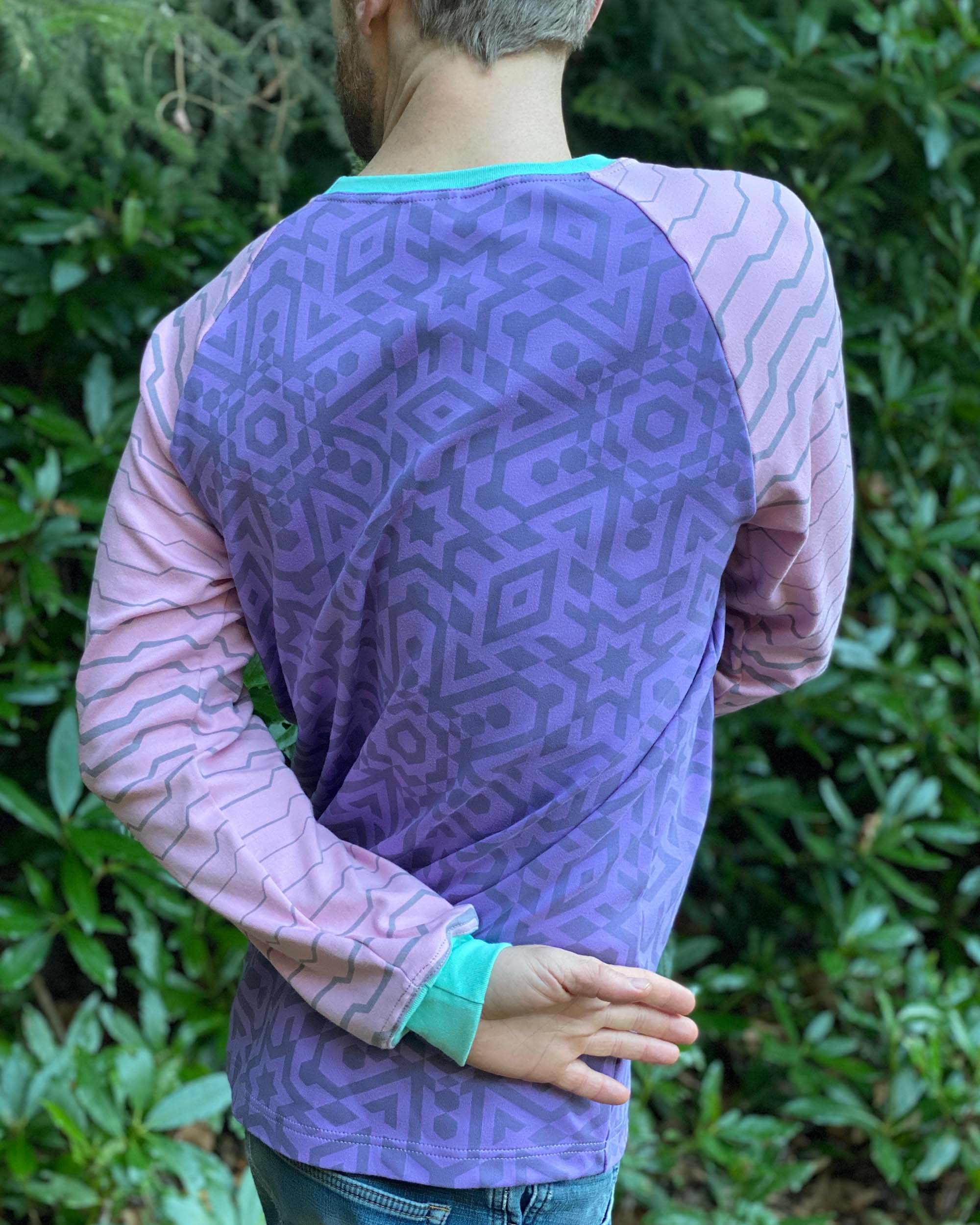
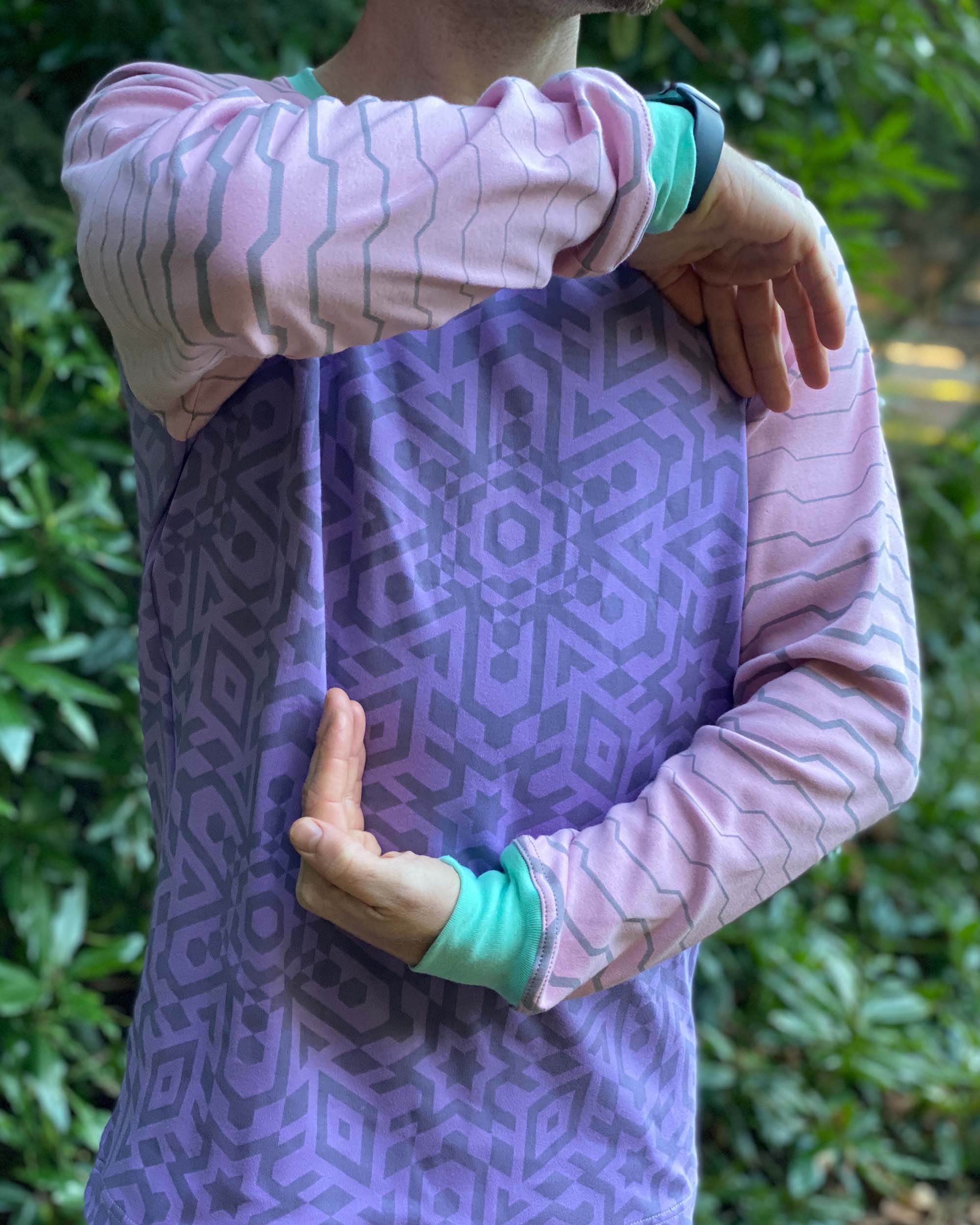

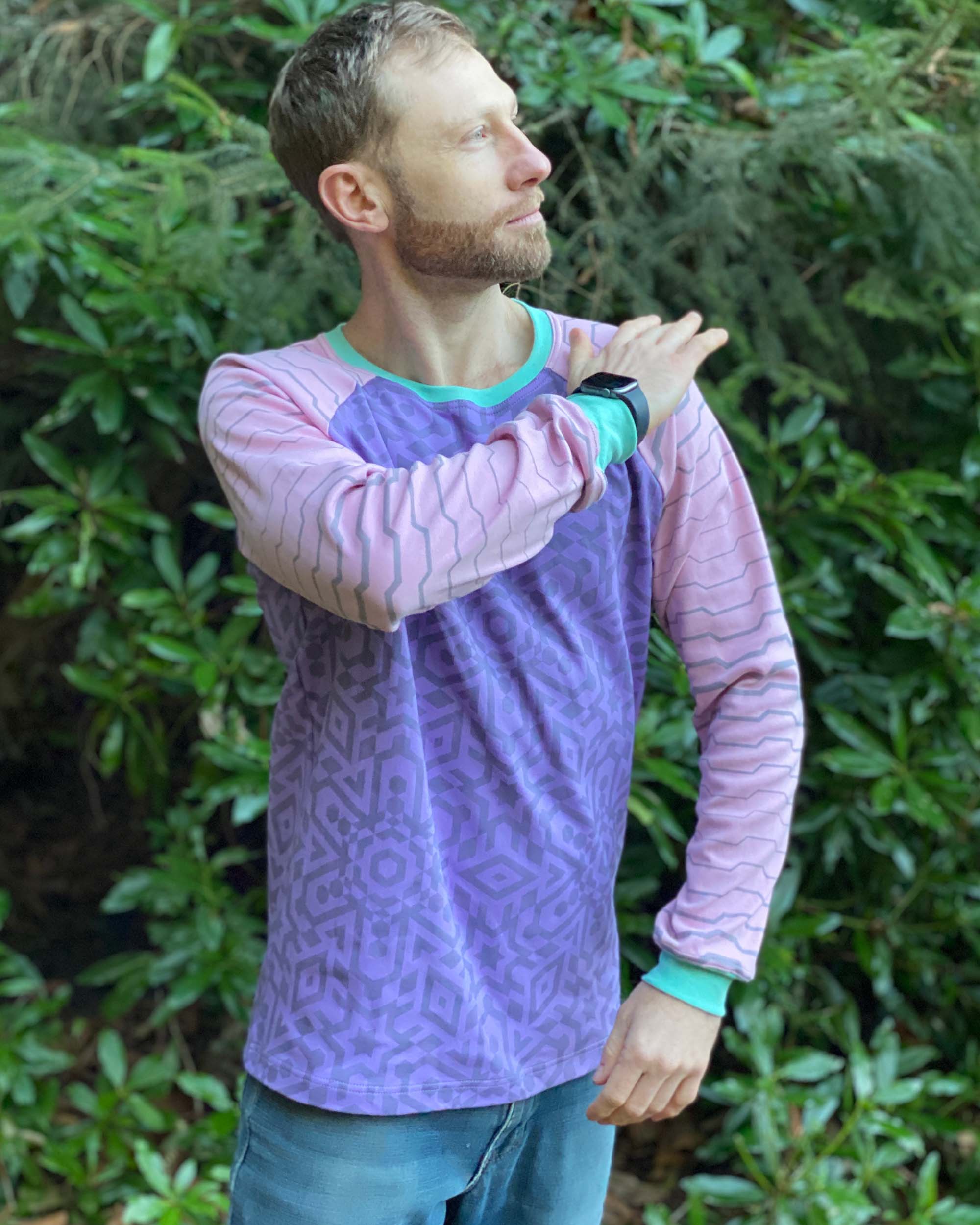

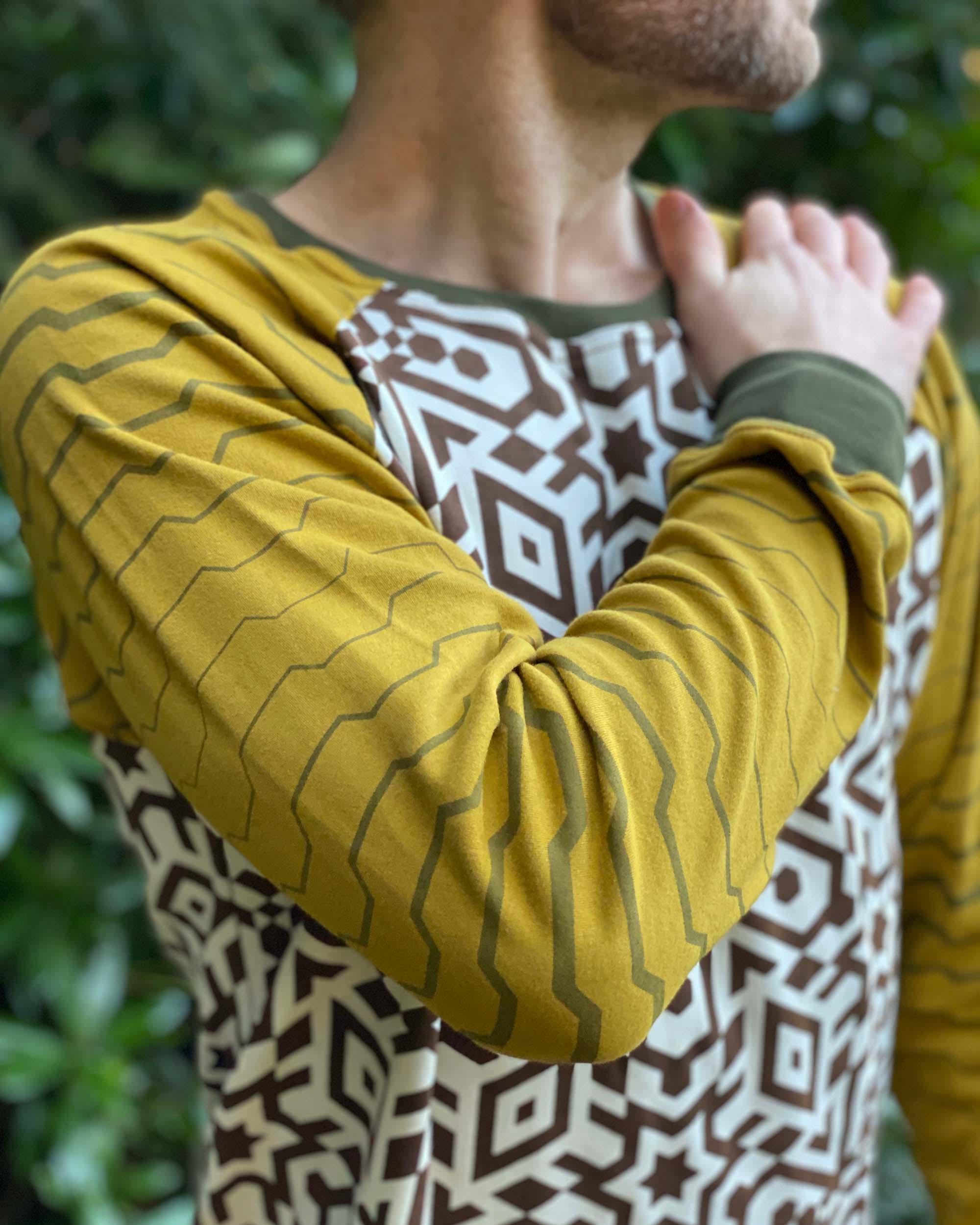



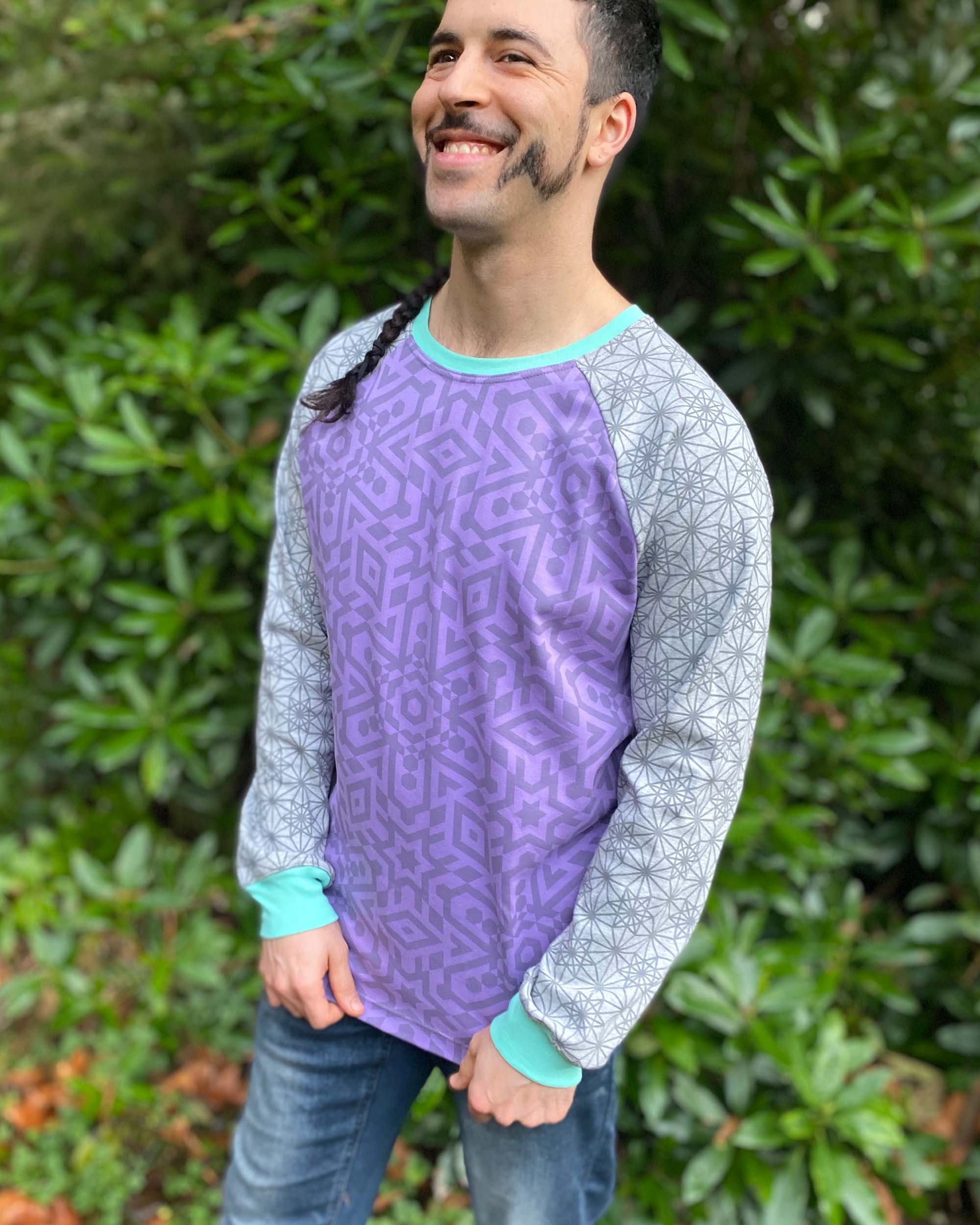
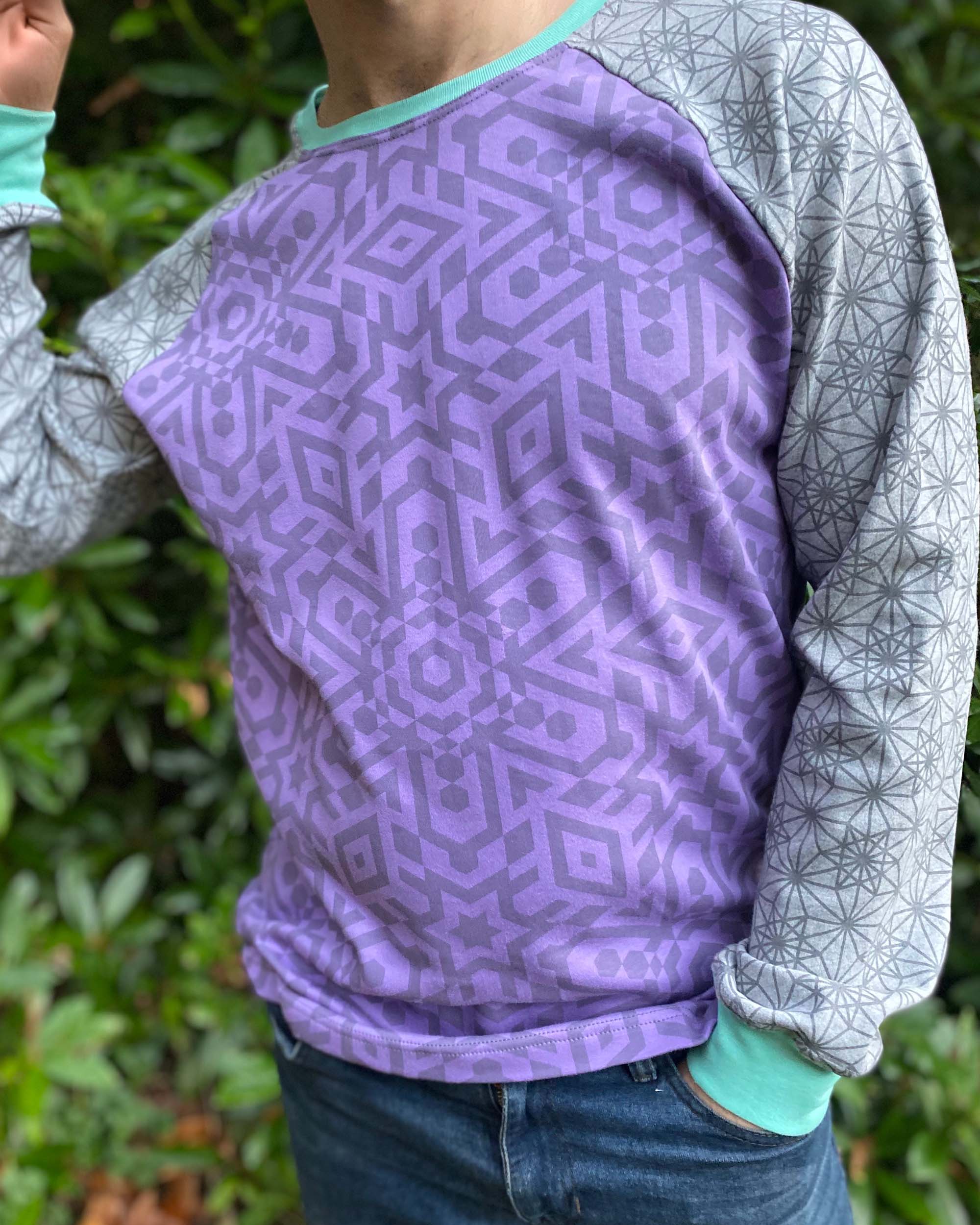

Symbology in our Fabric Prints

All of our printed fabrics are screen printed by hand.
To learn more visit: How its Made
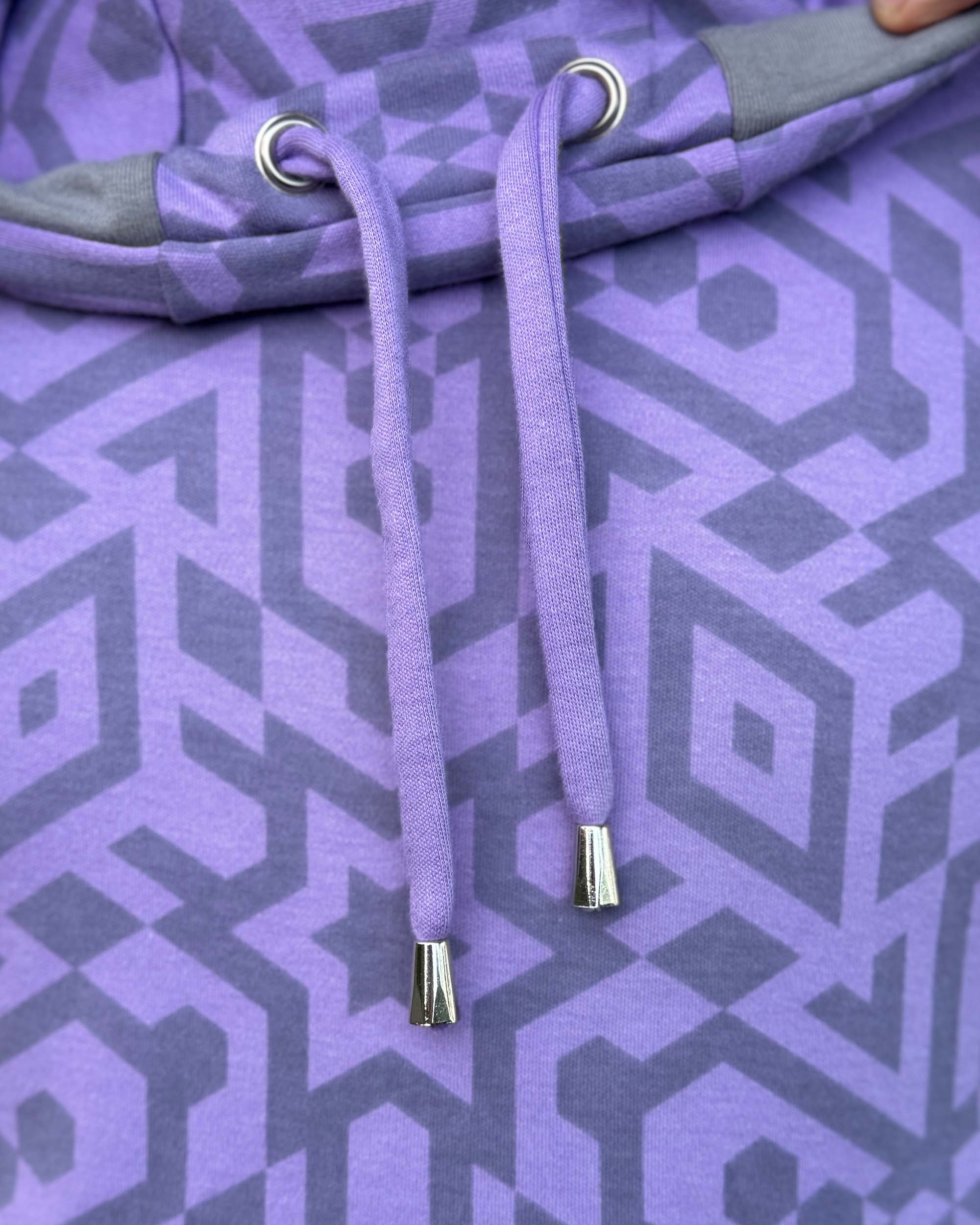
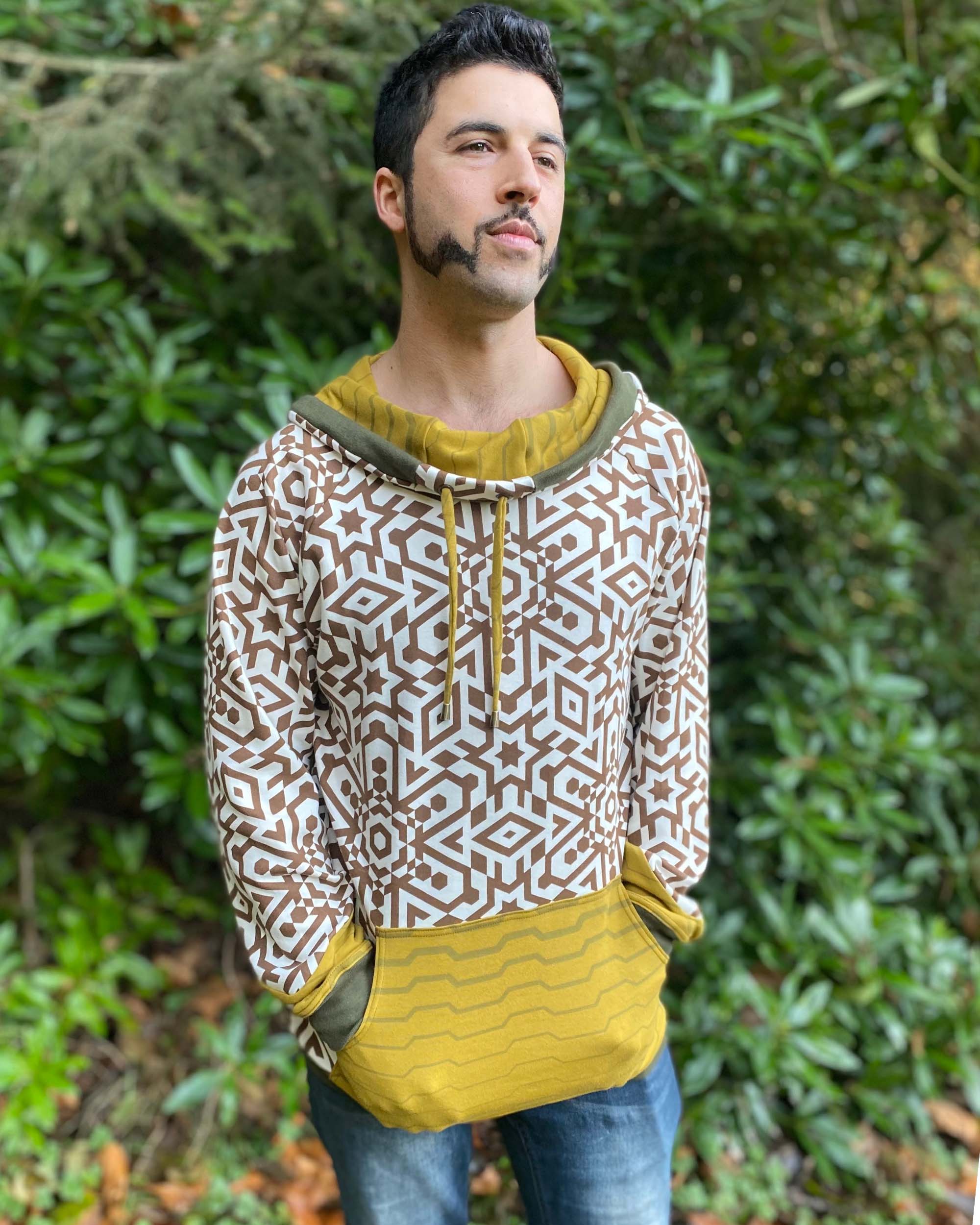
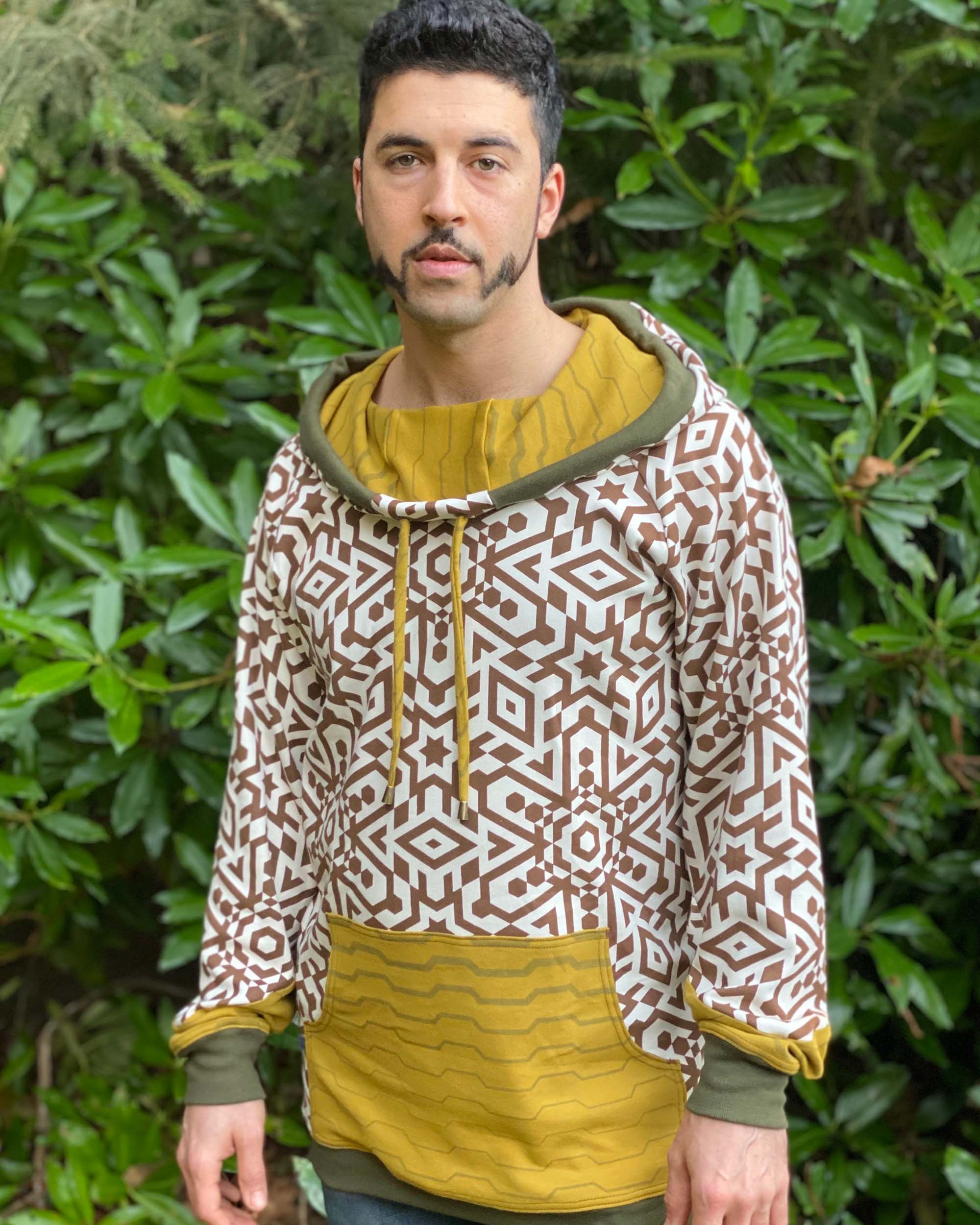
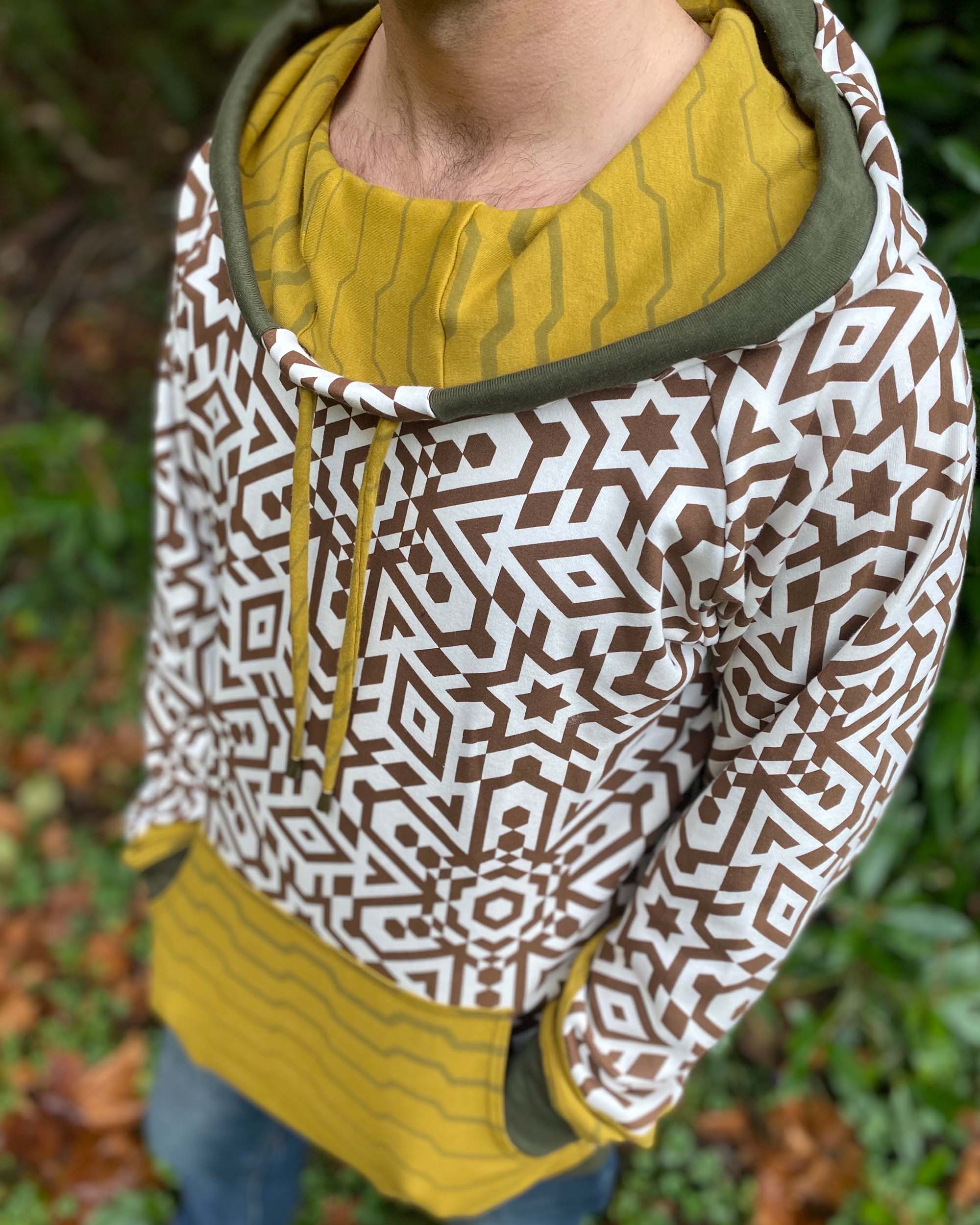
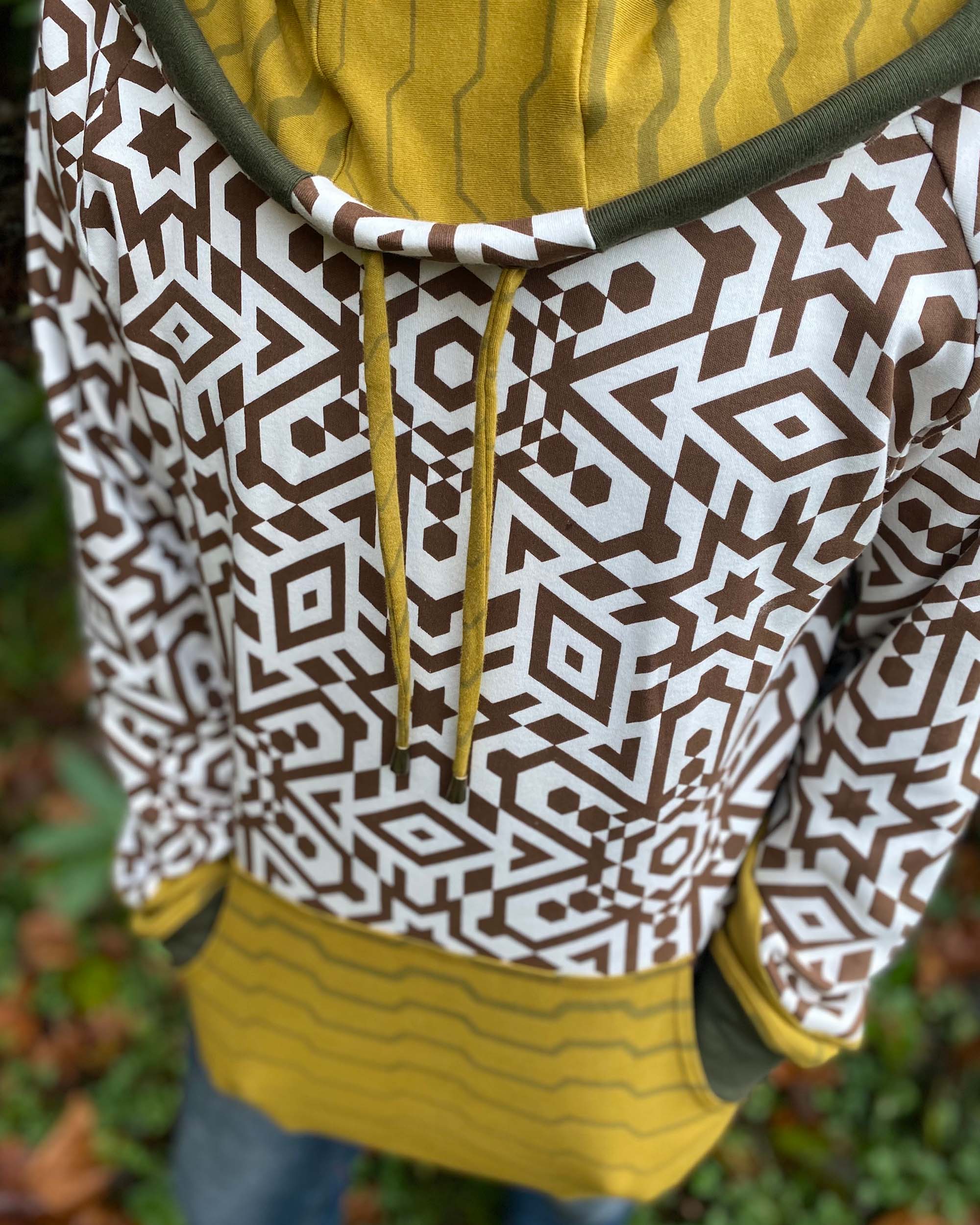
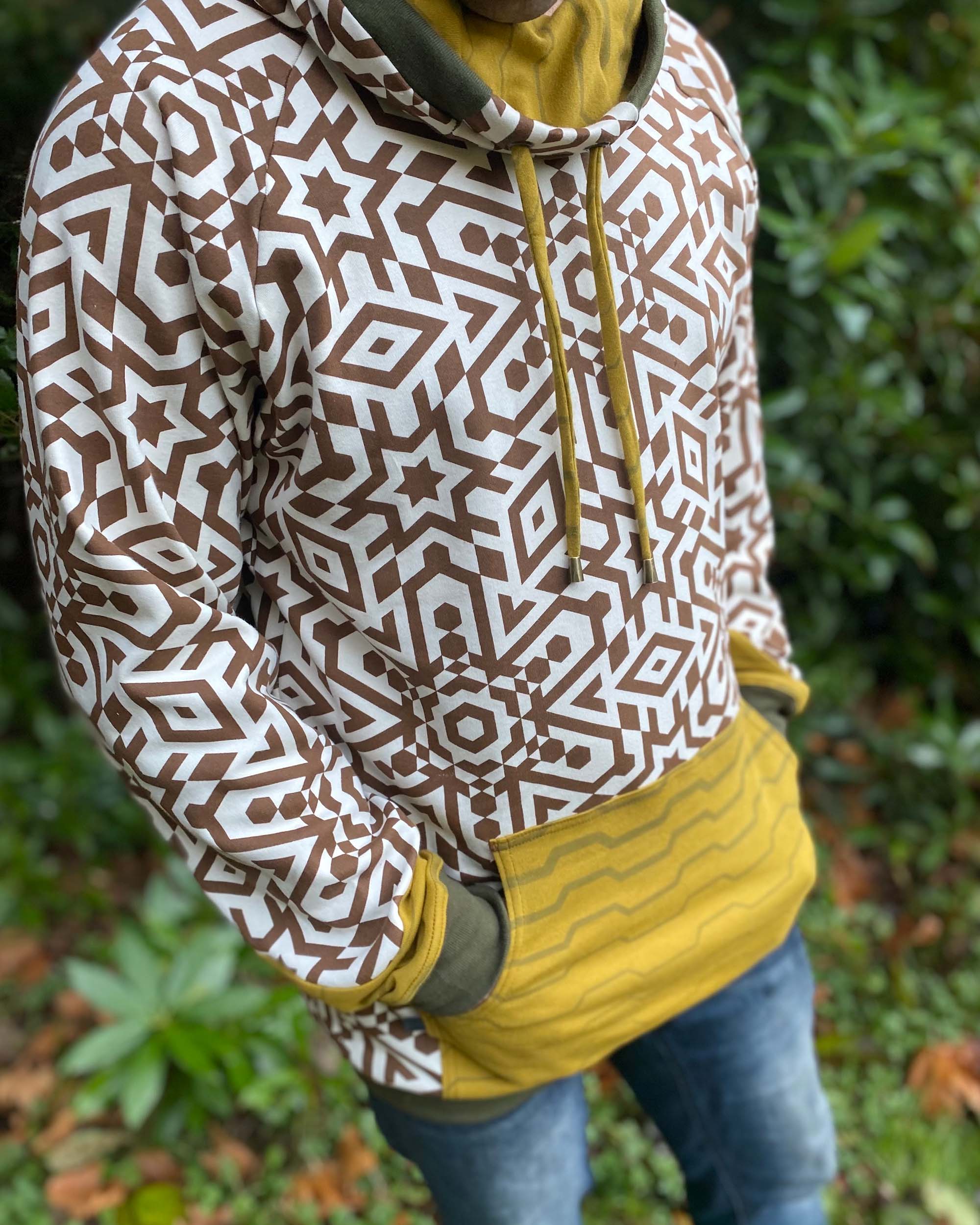
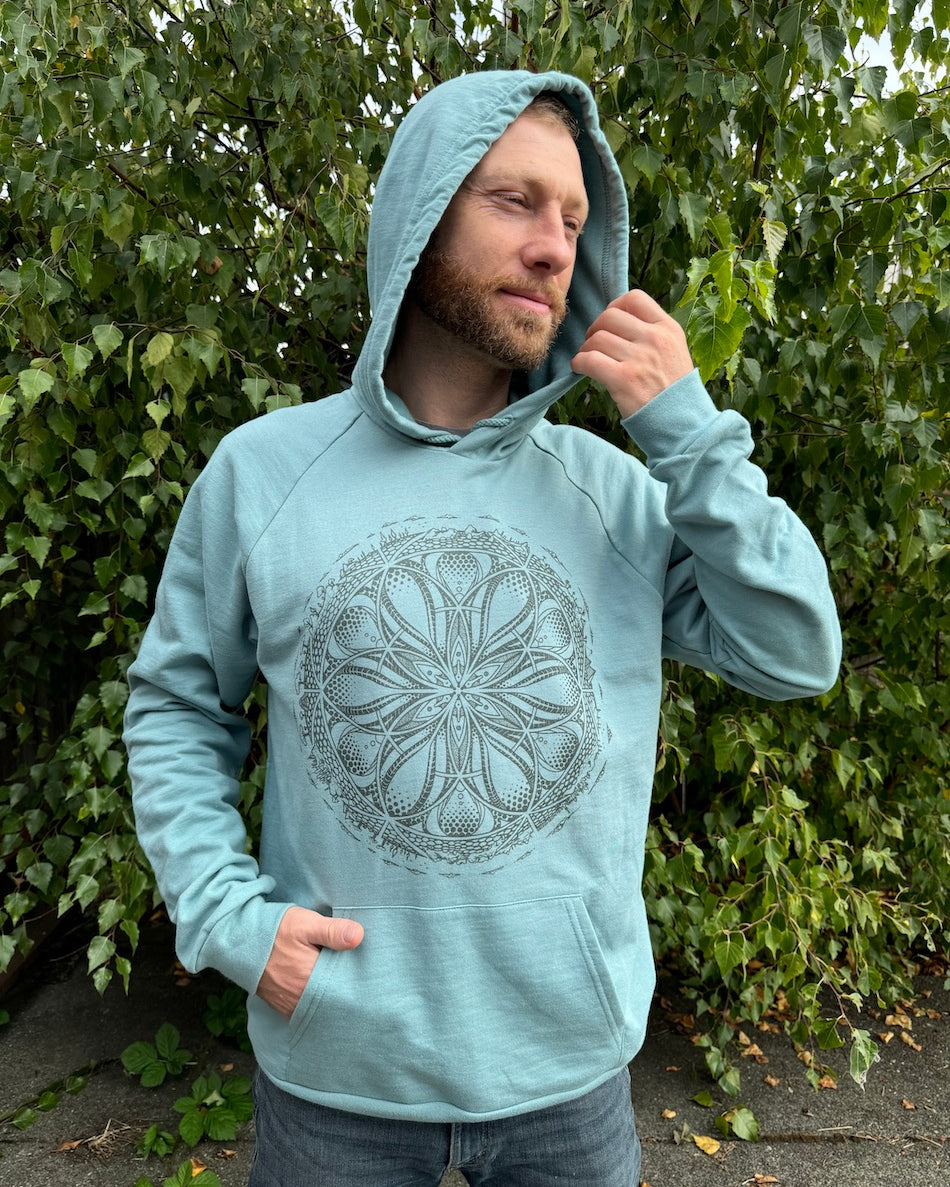
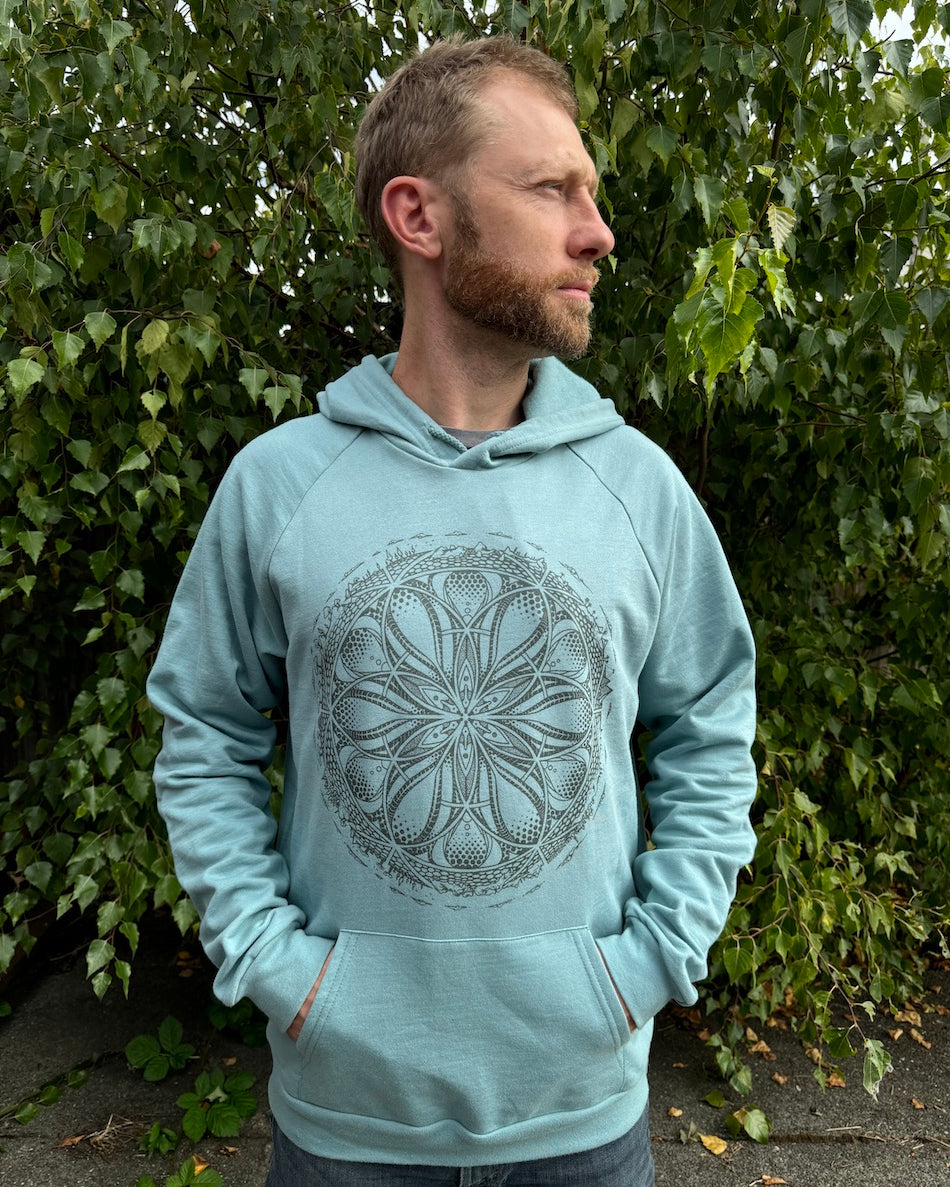
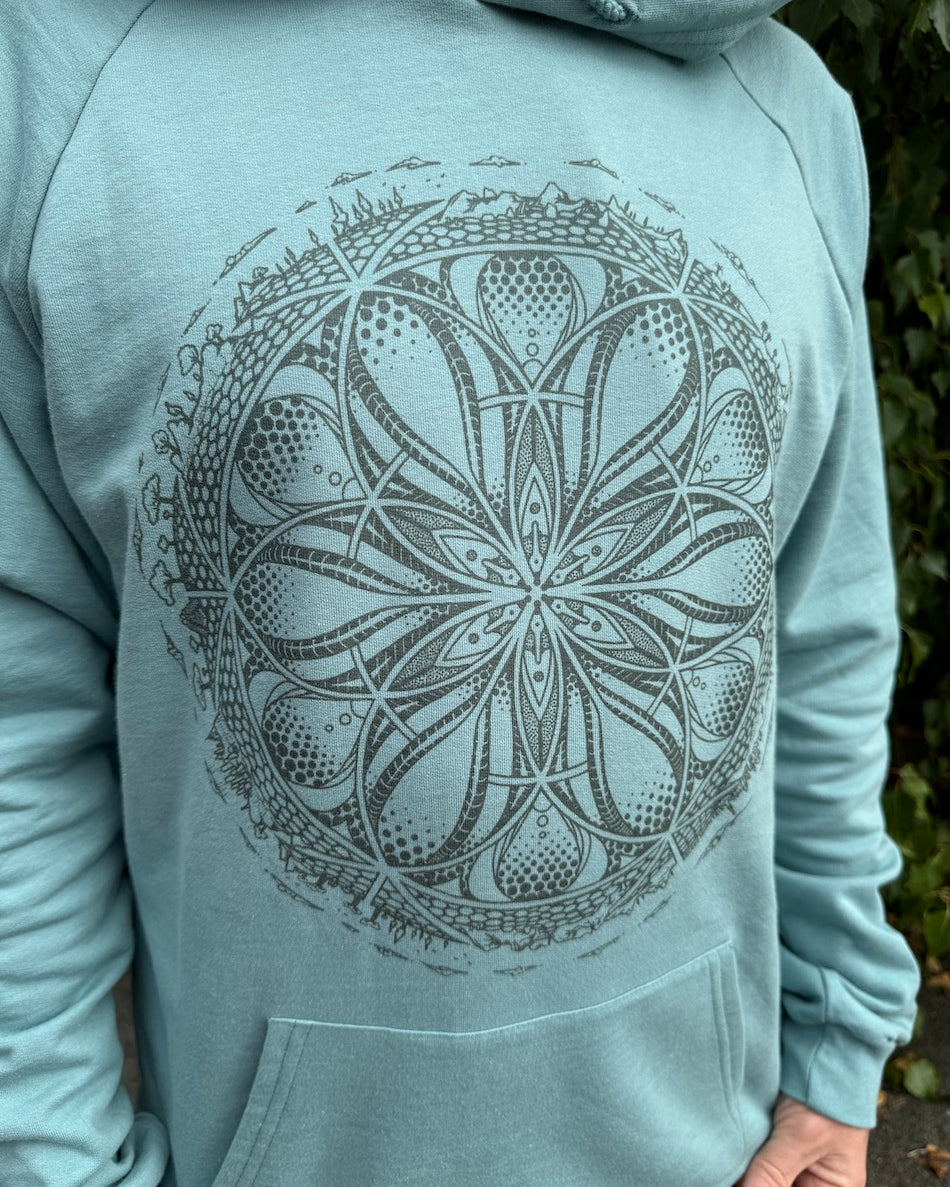
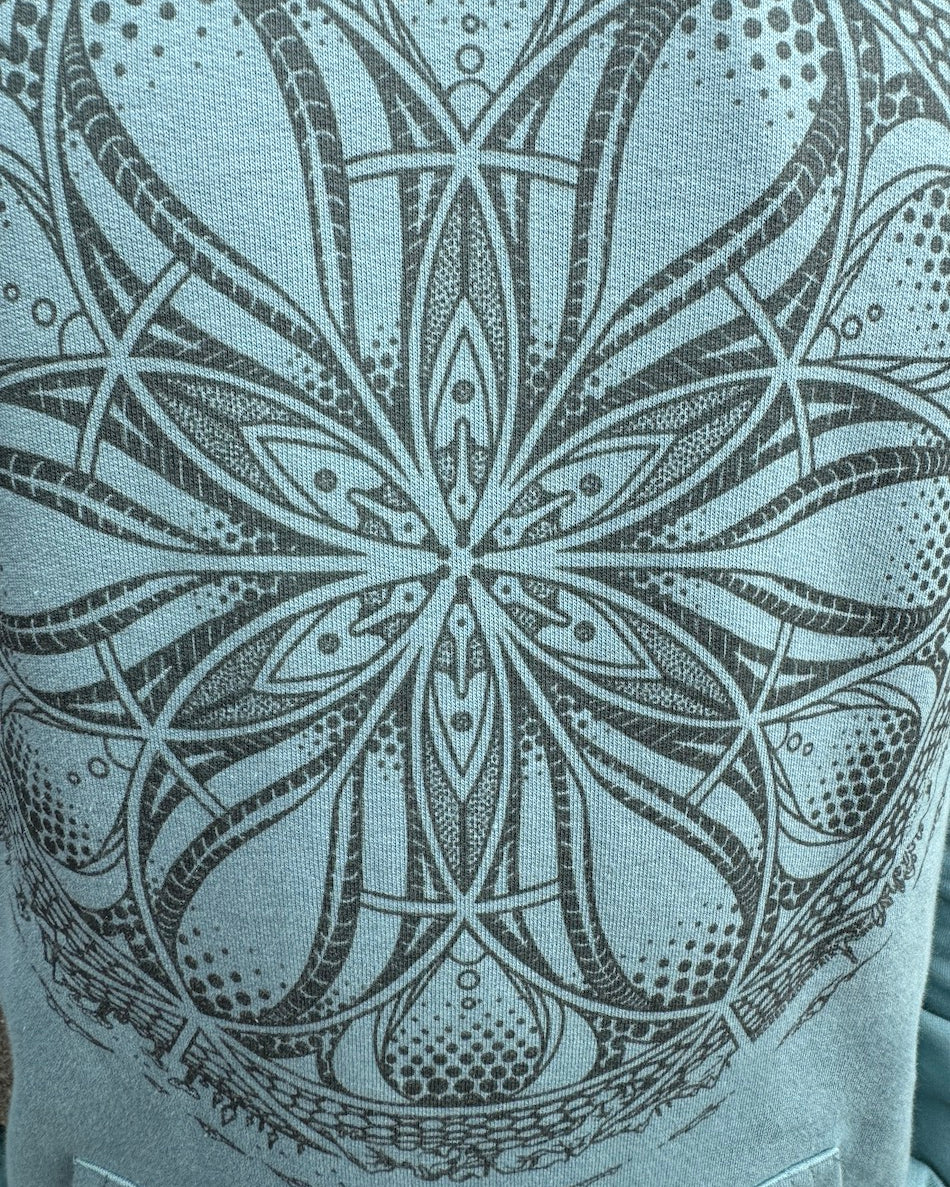
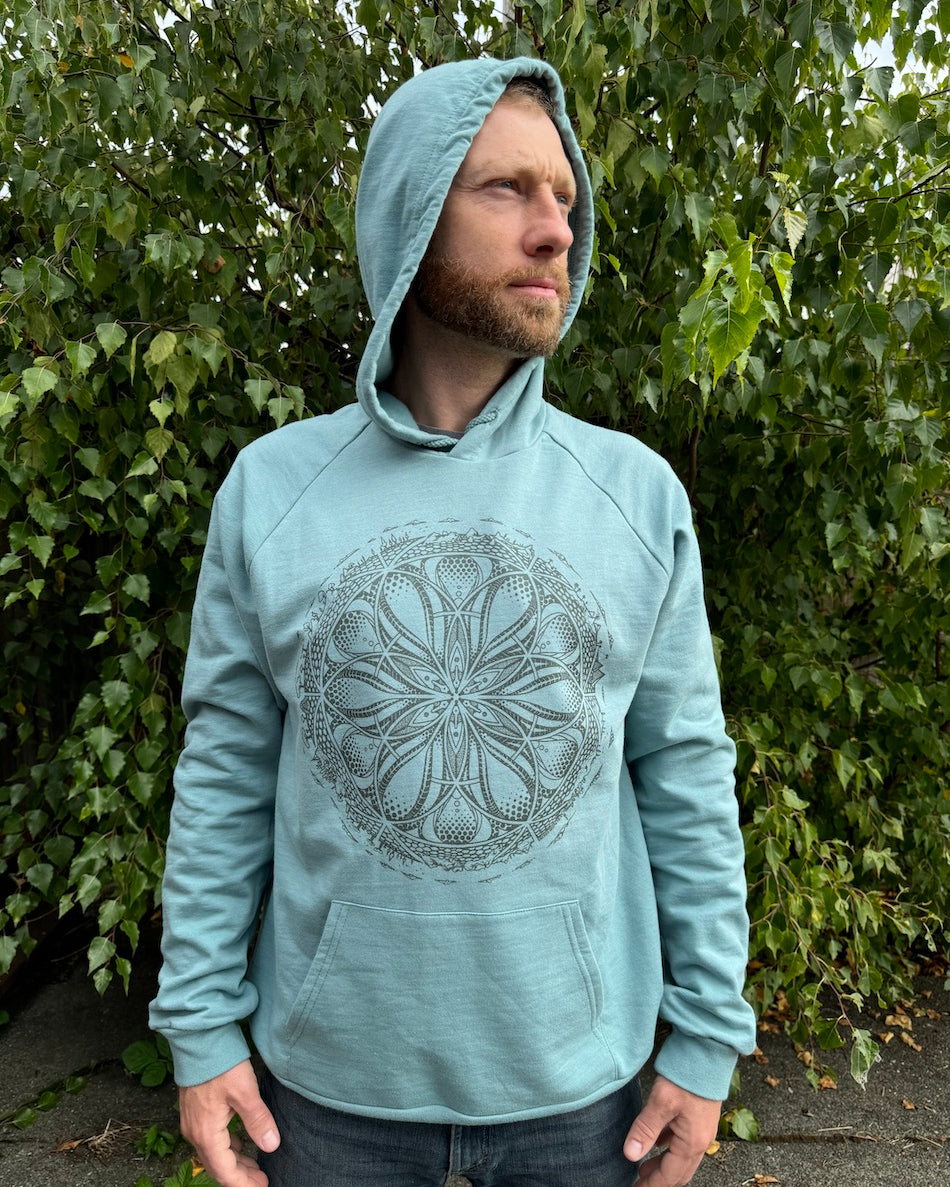
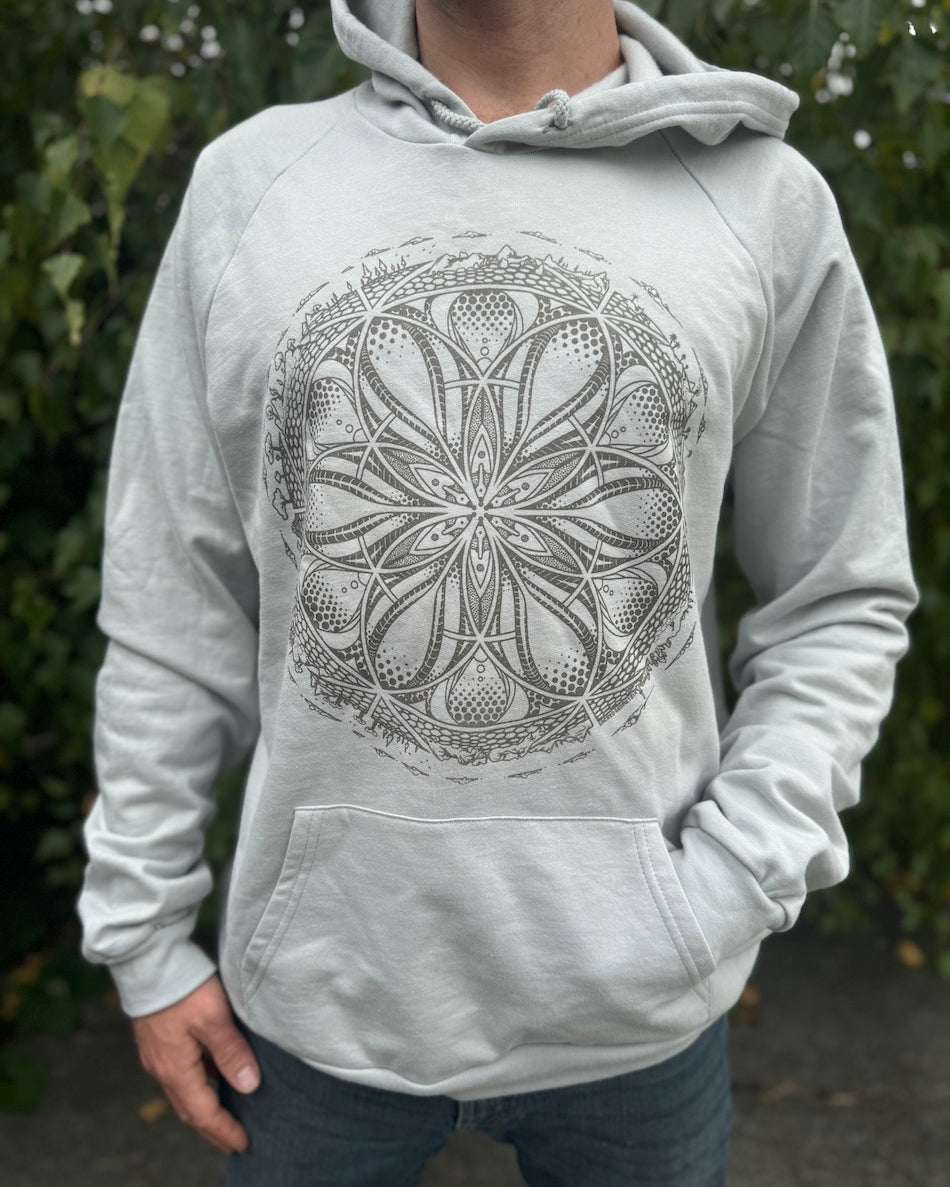
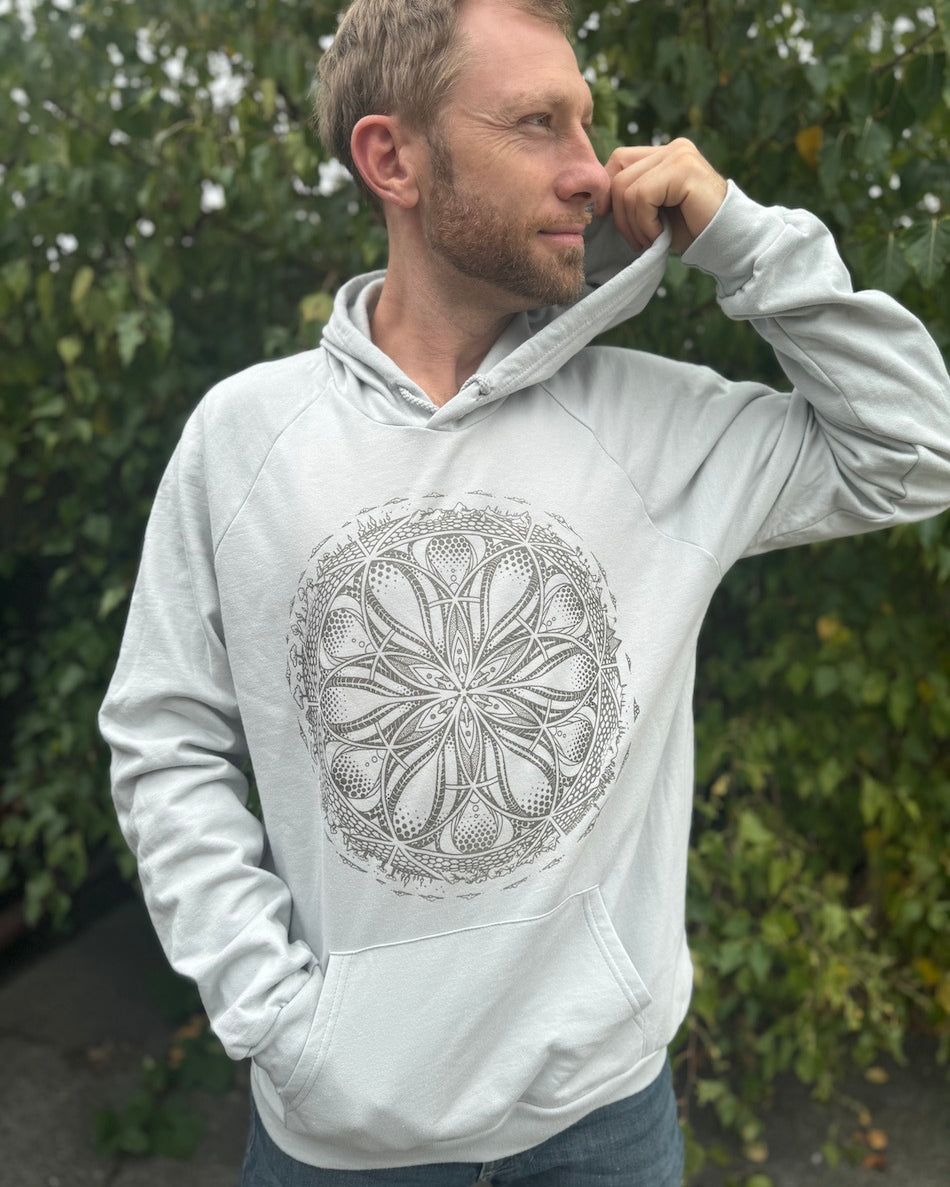
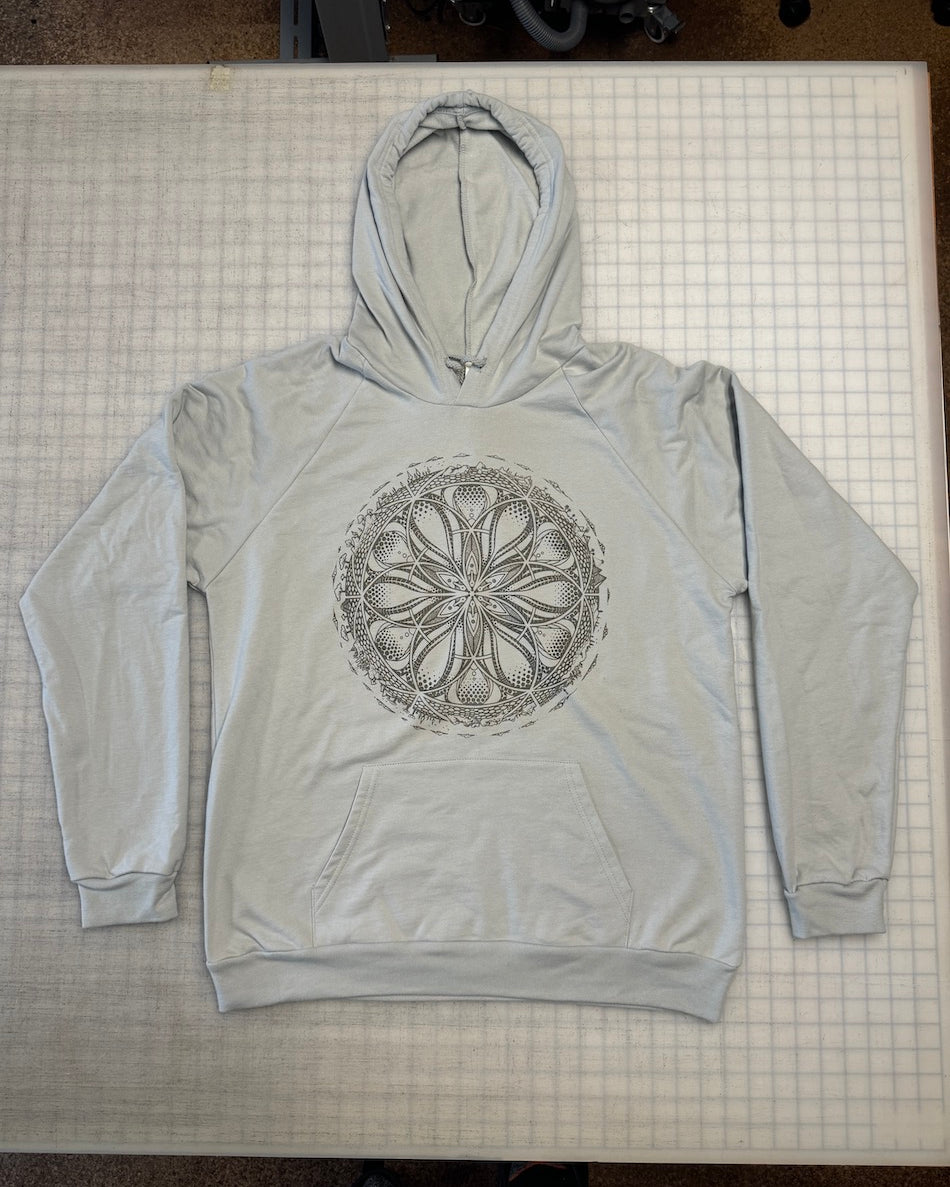
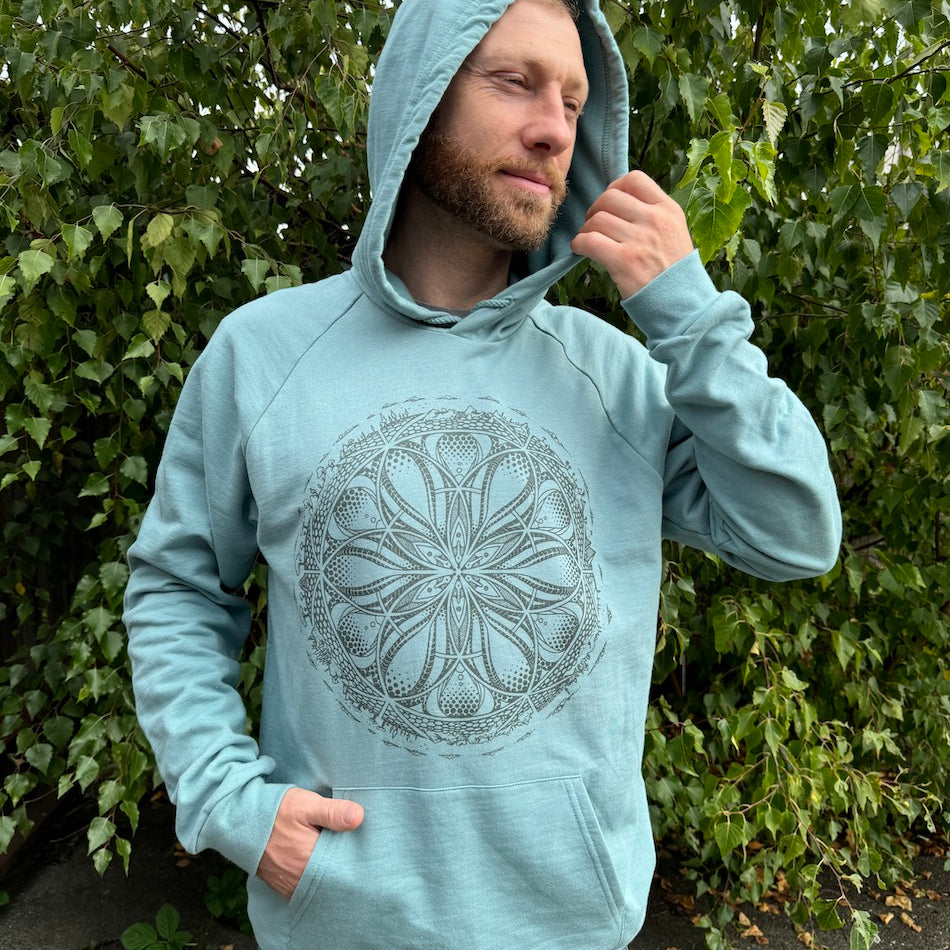
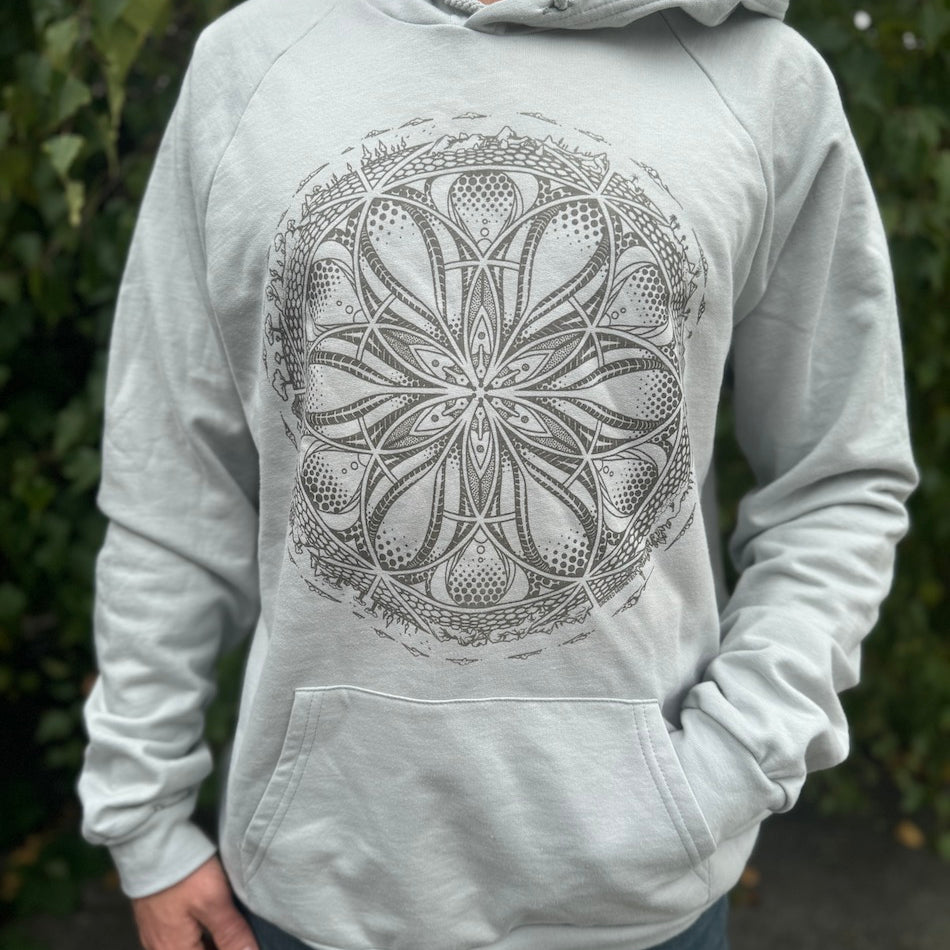
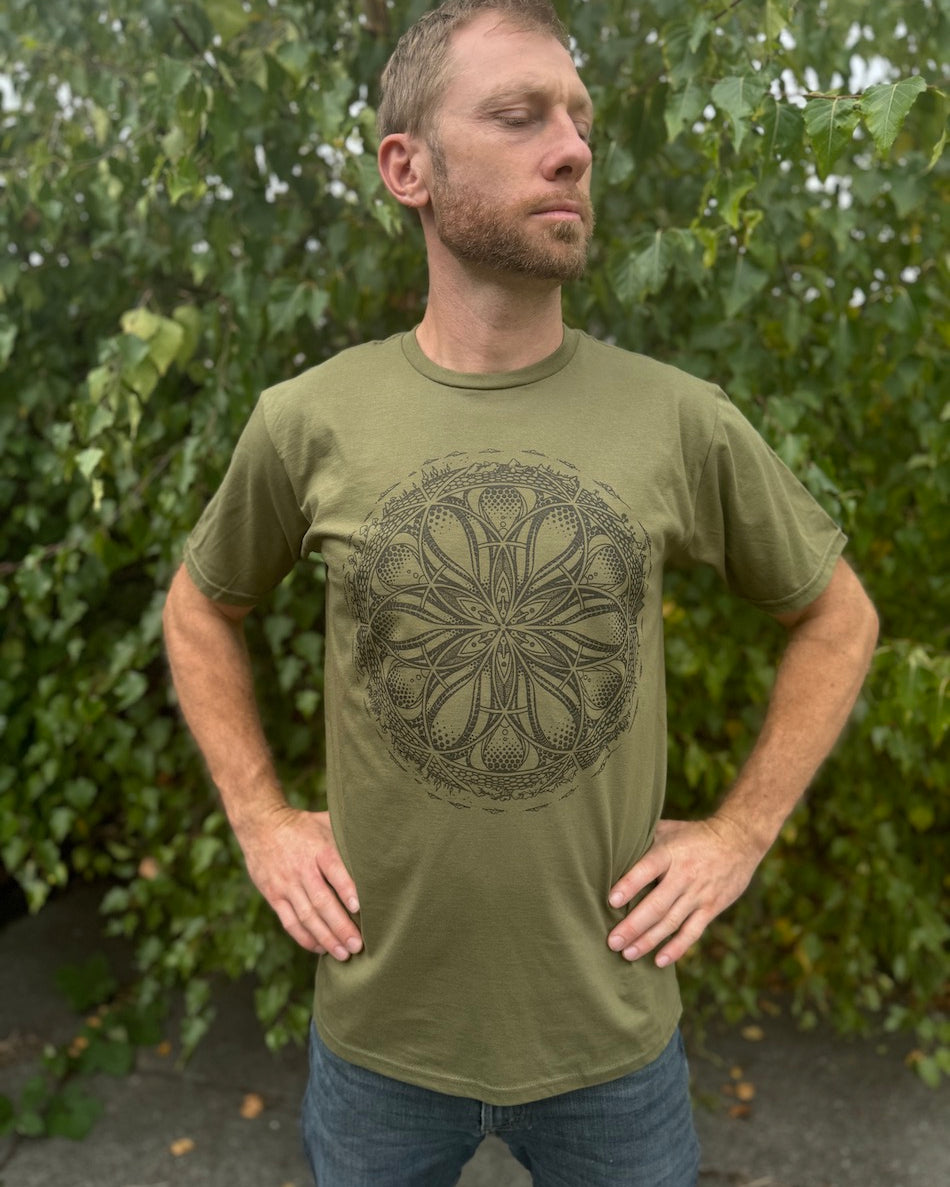
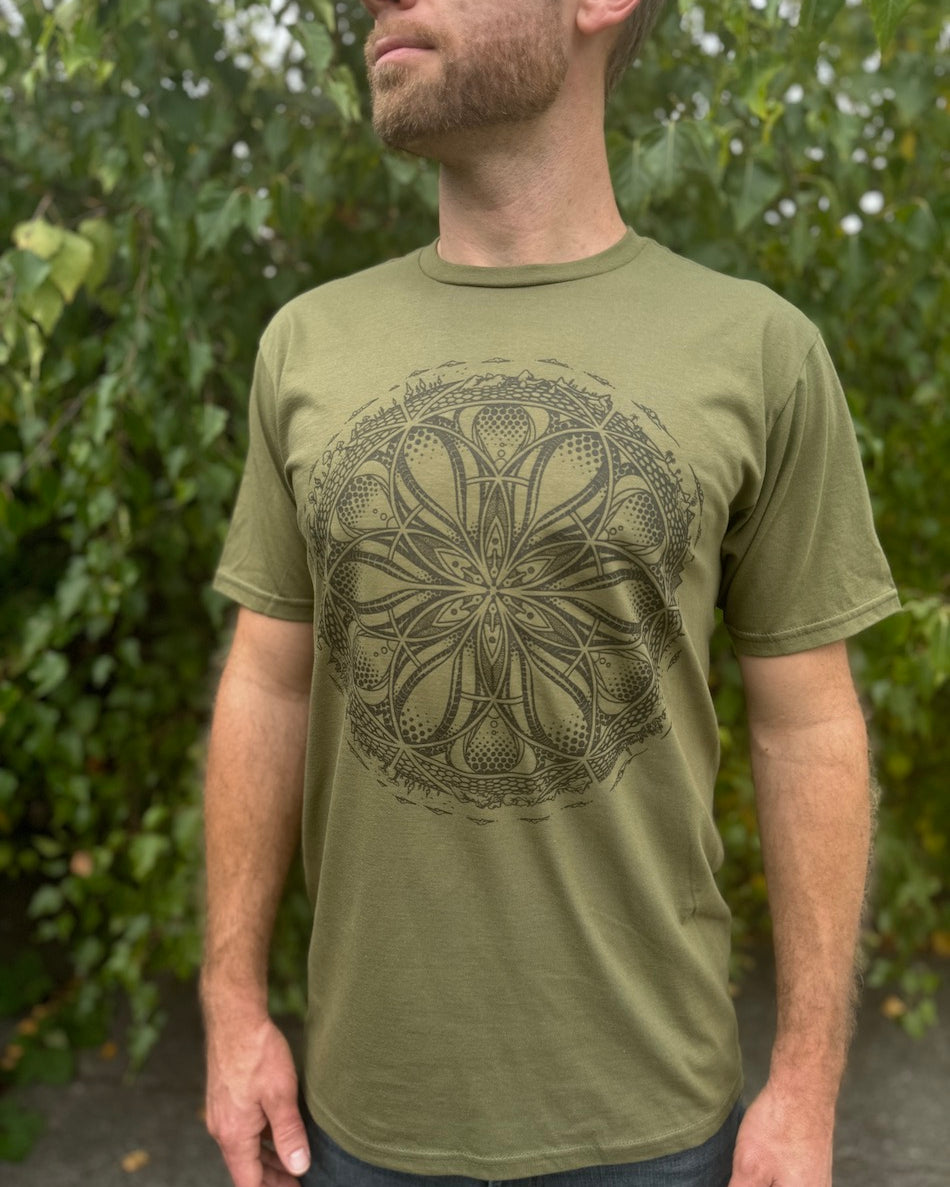
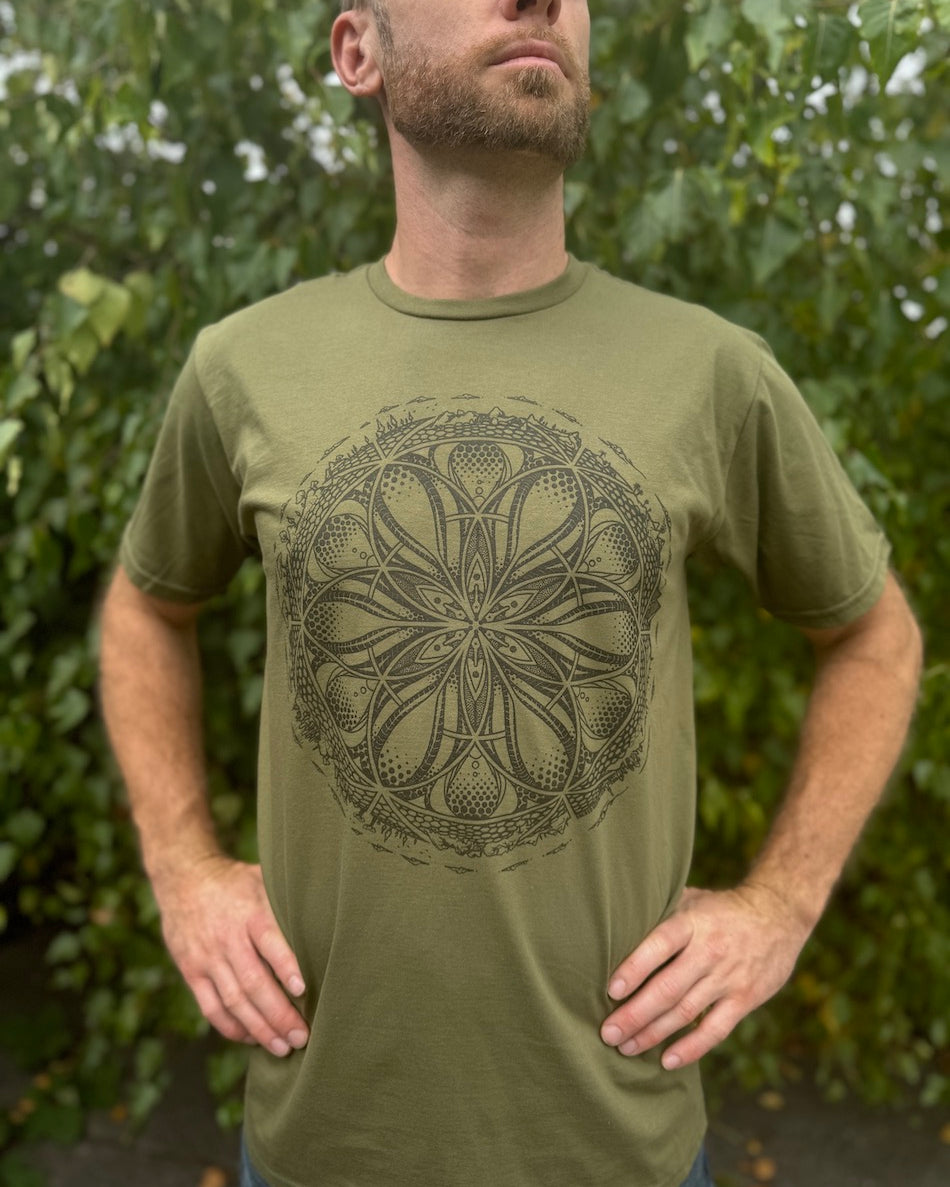
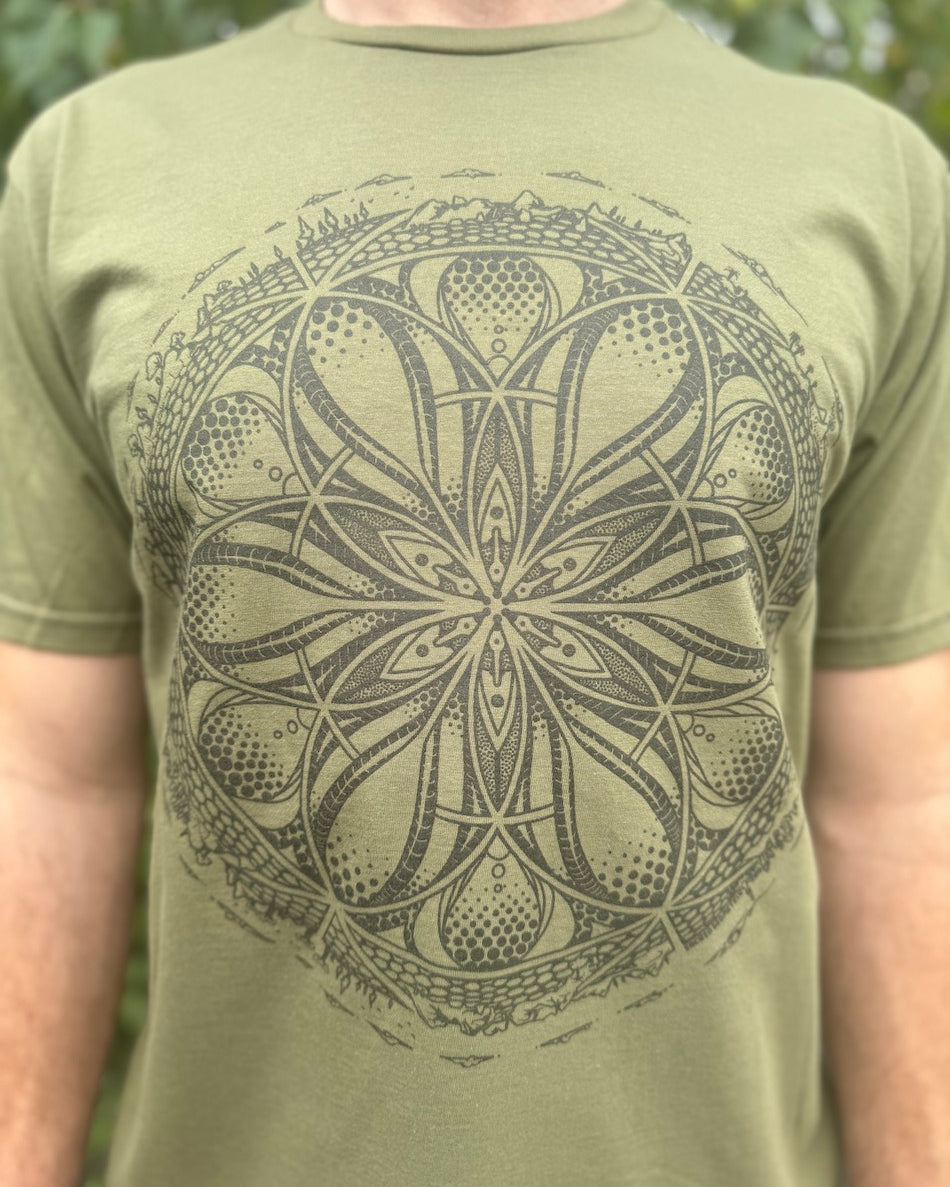
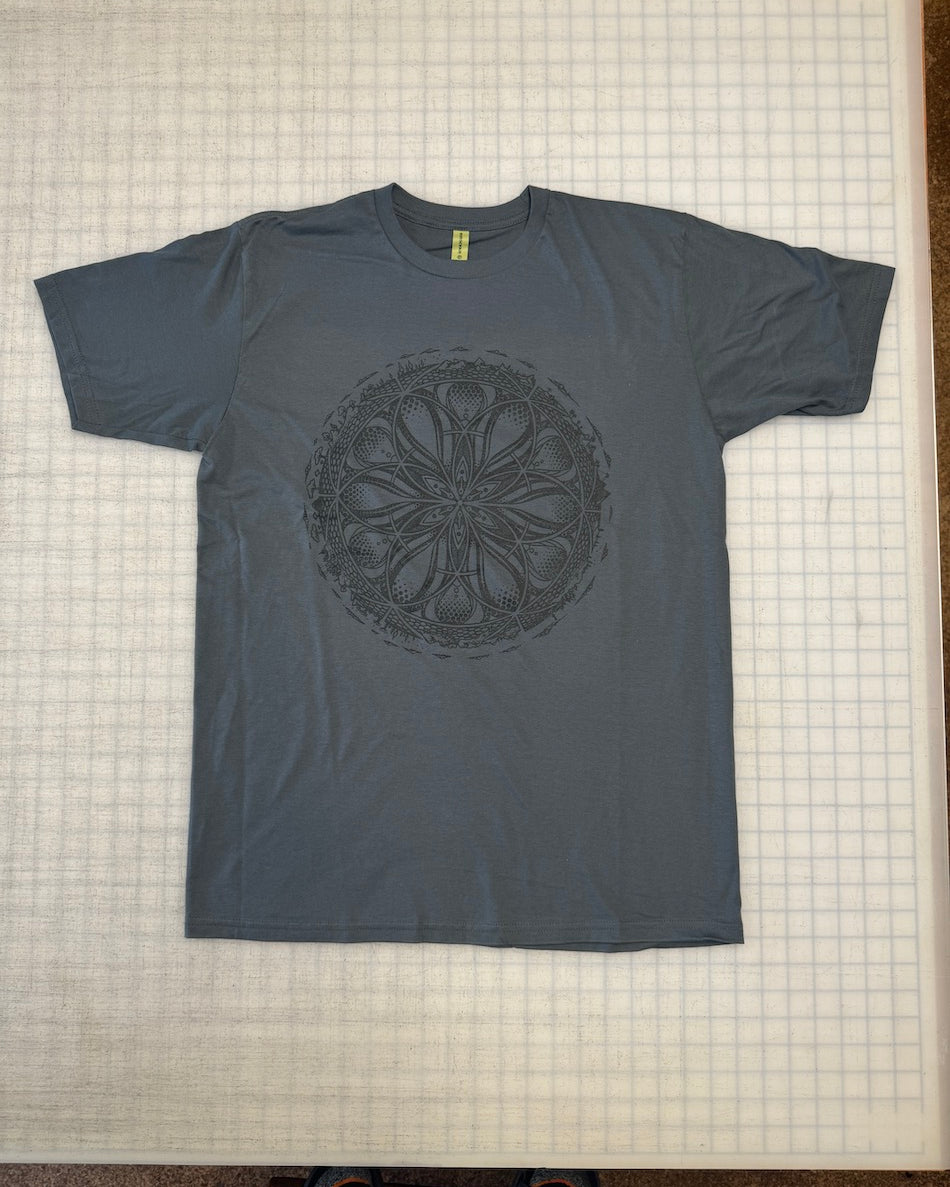
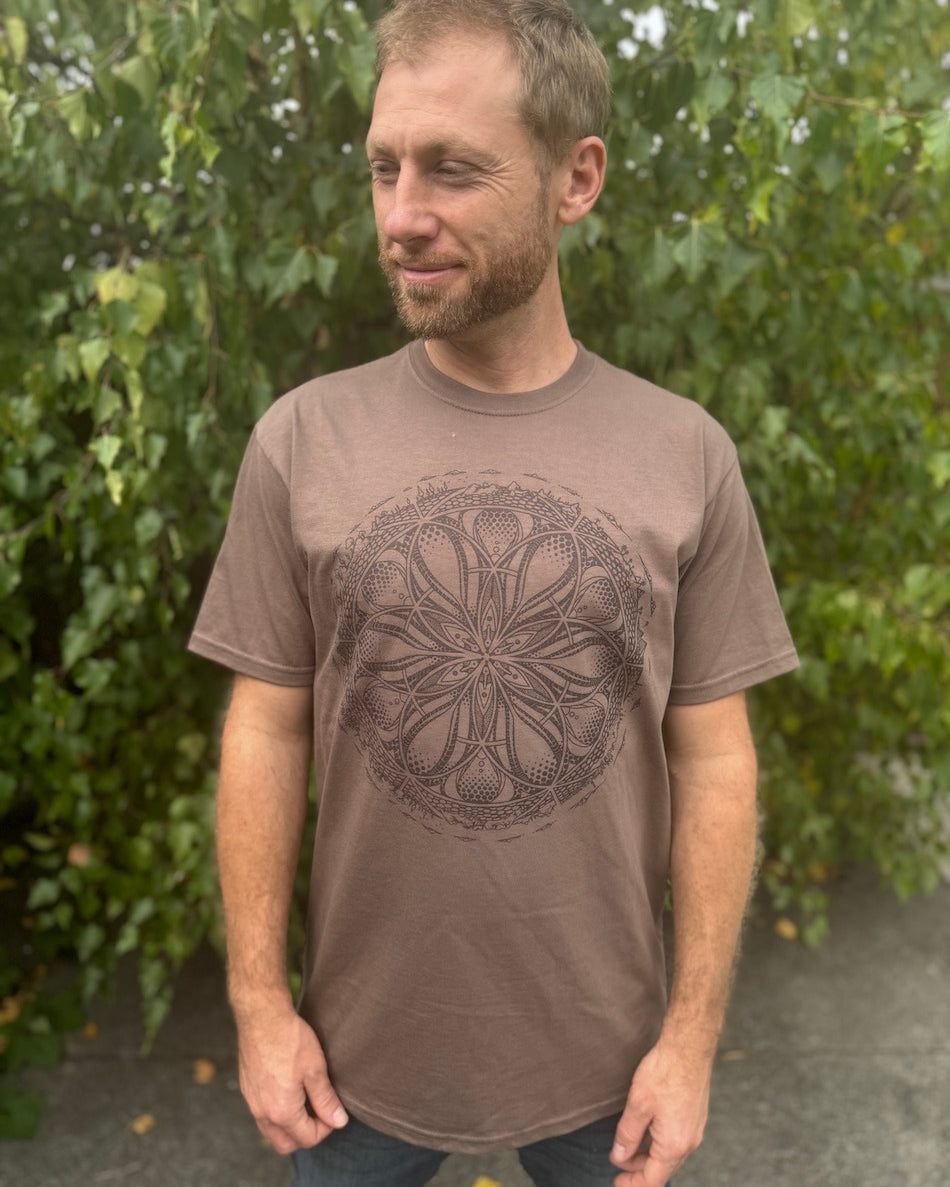
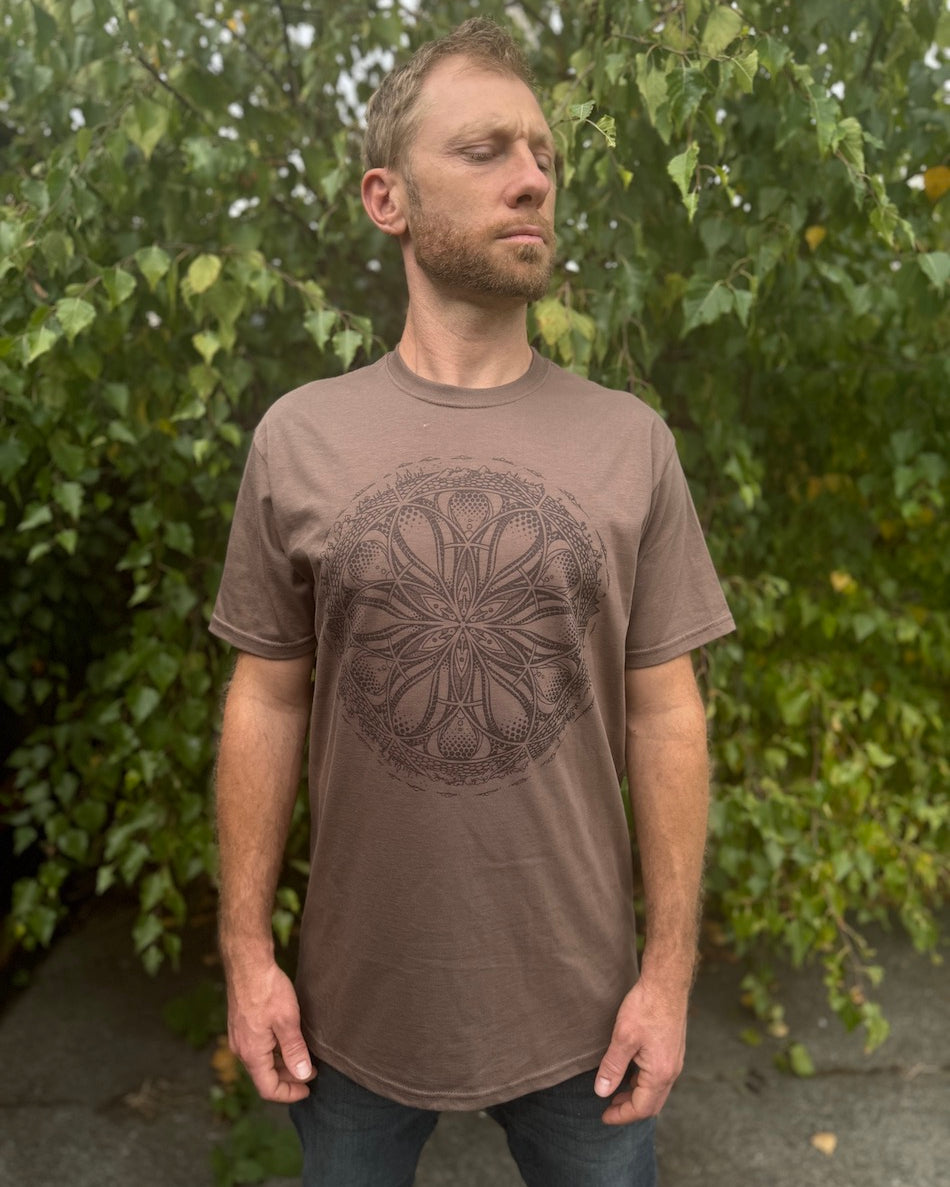
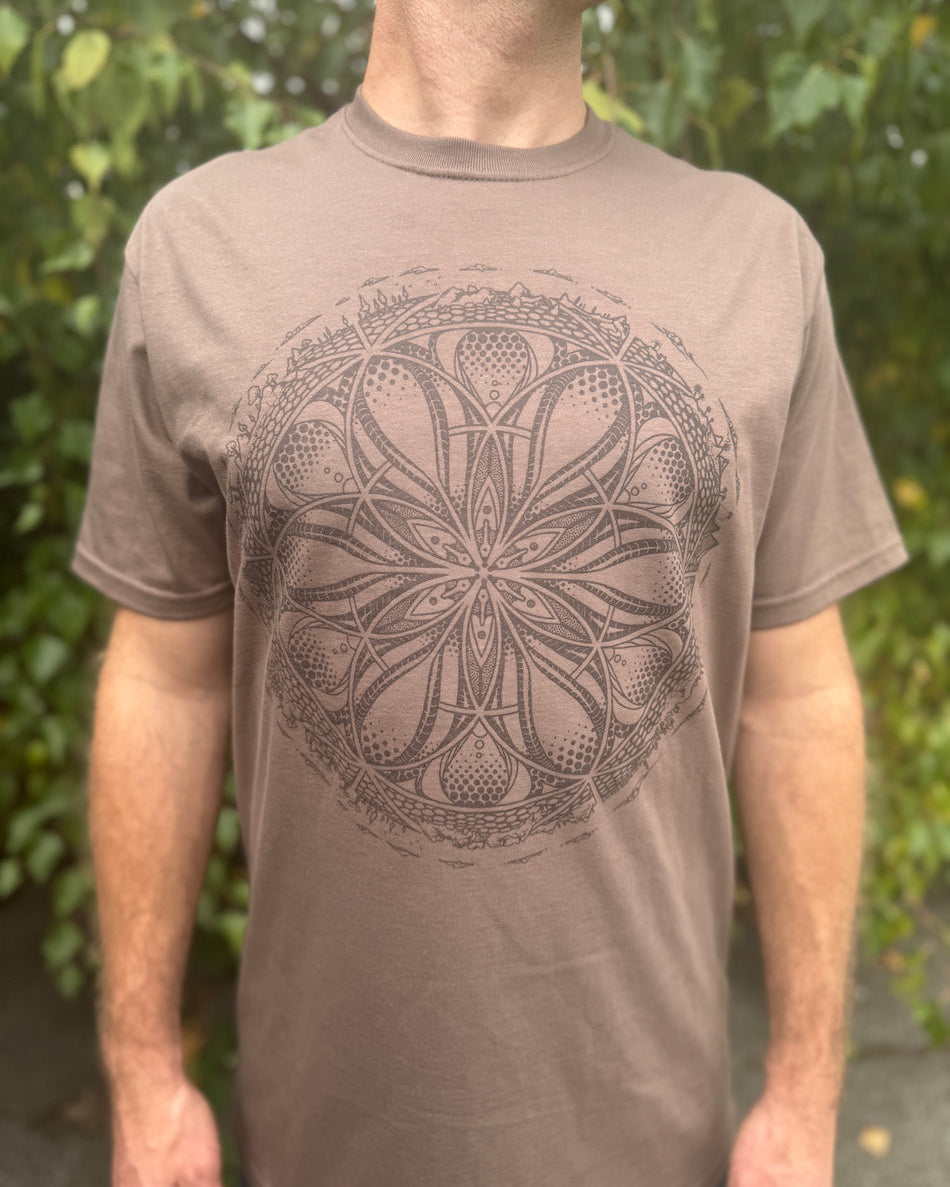
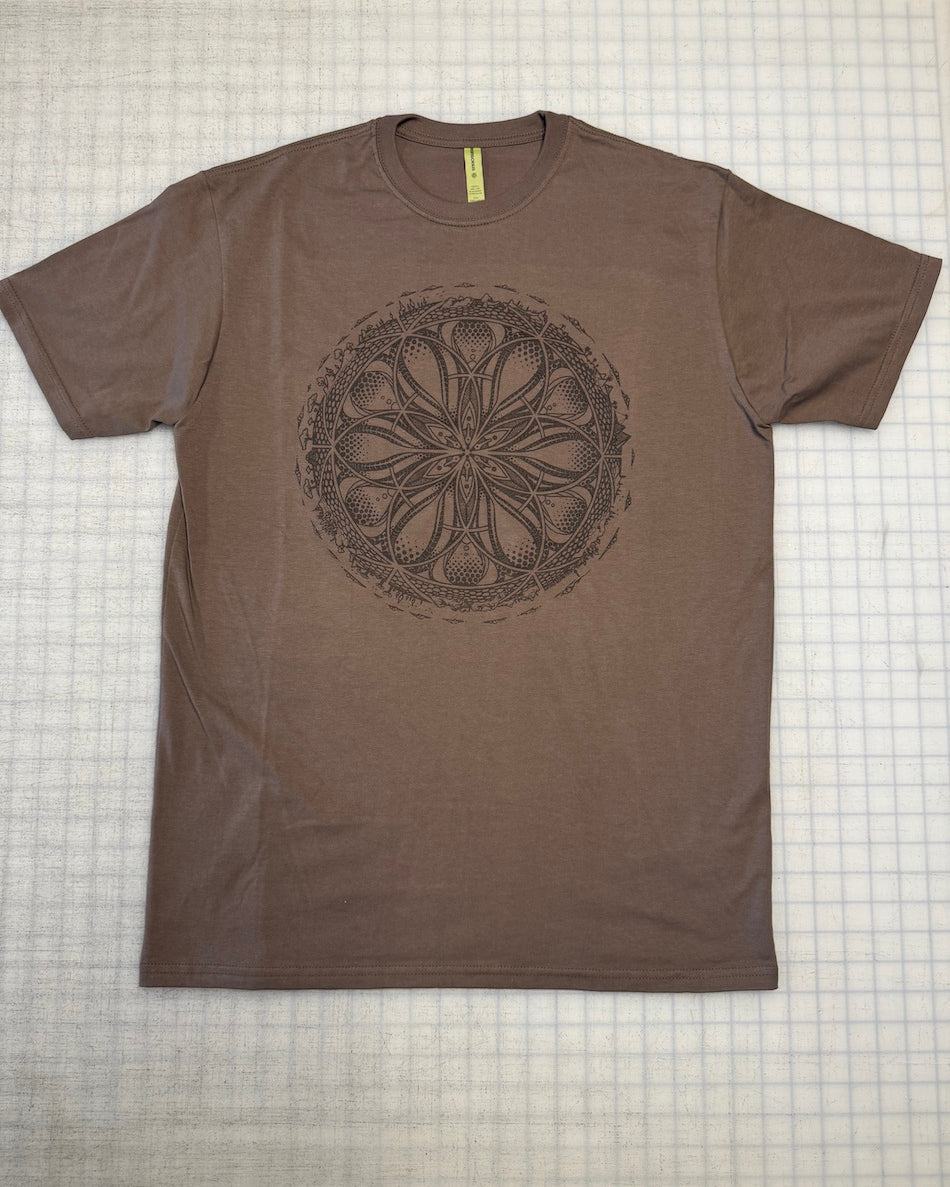
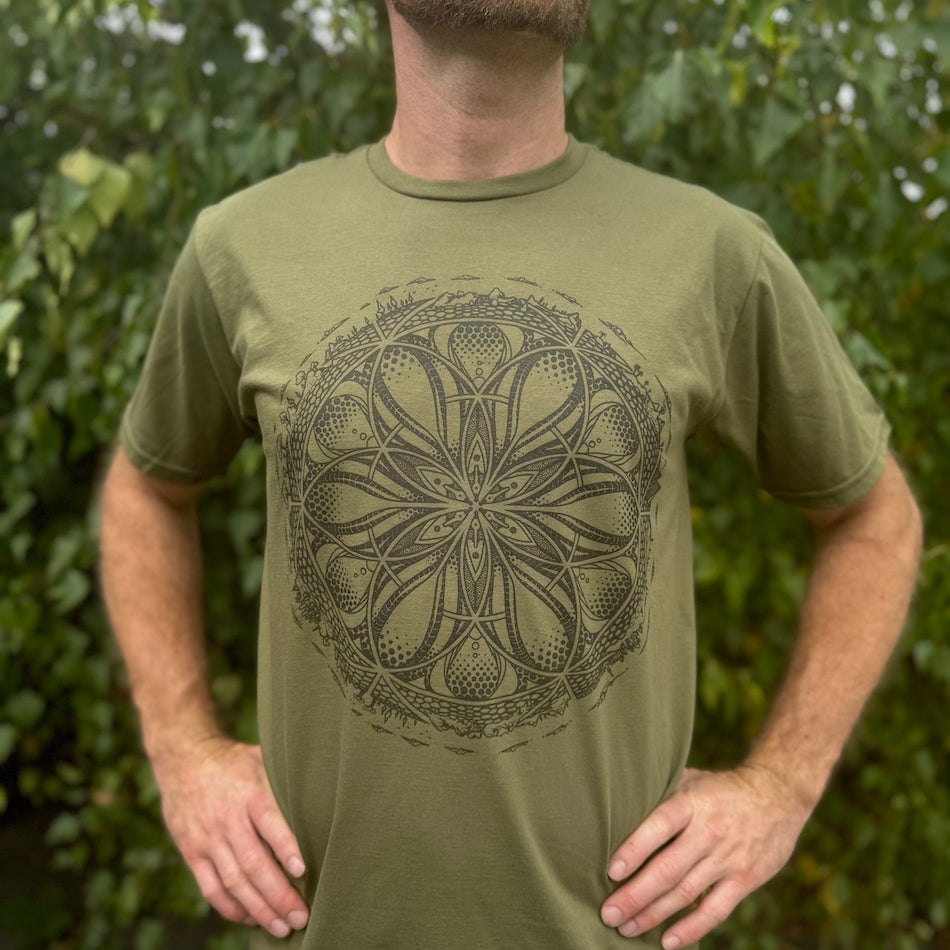
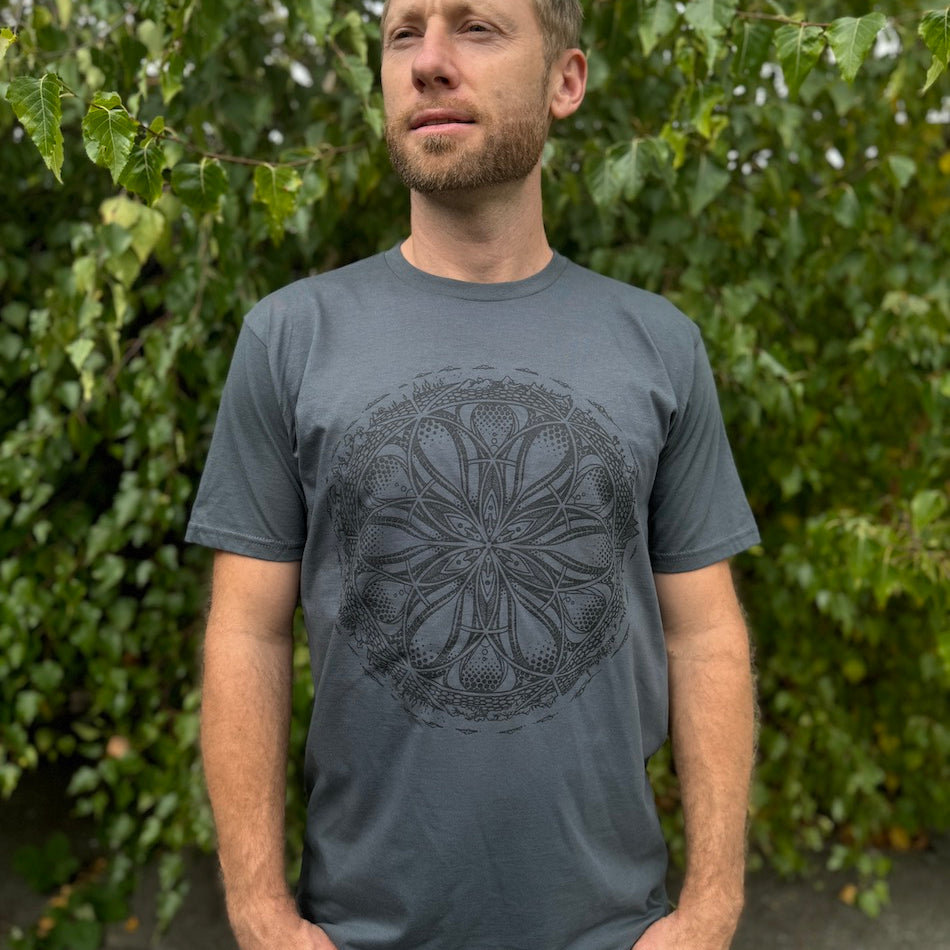
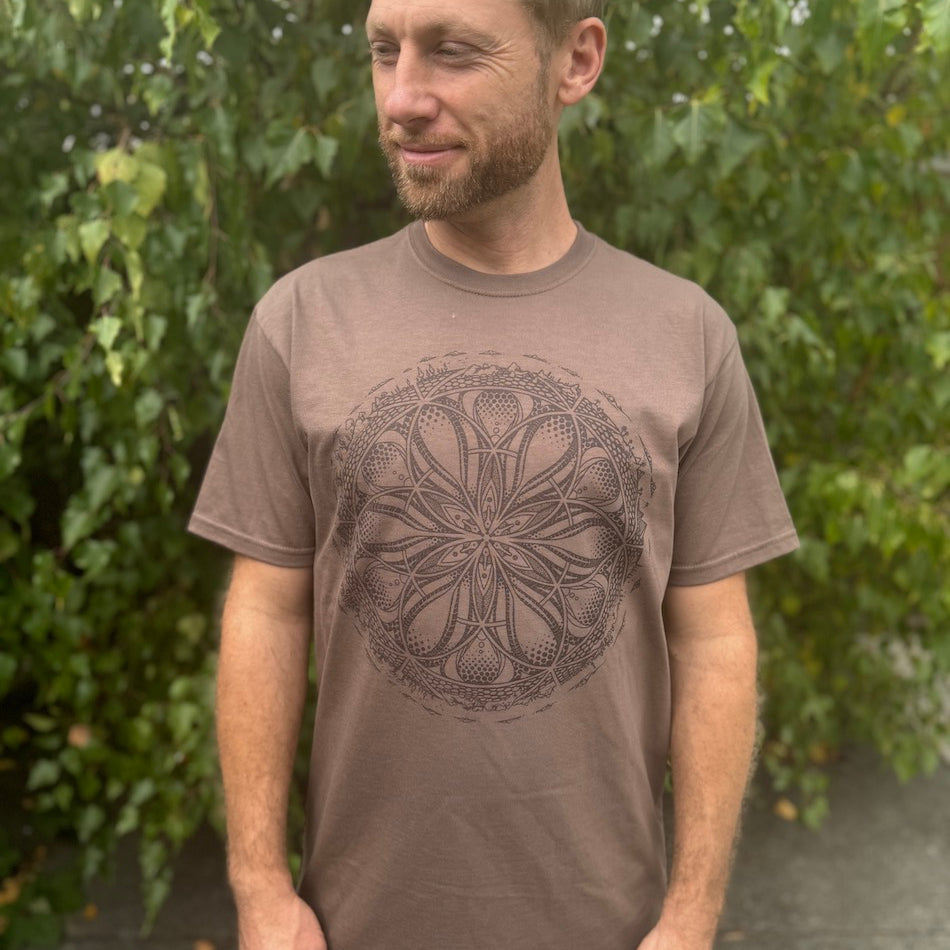
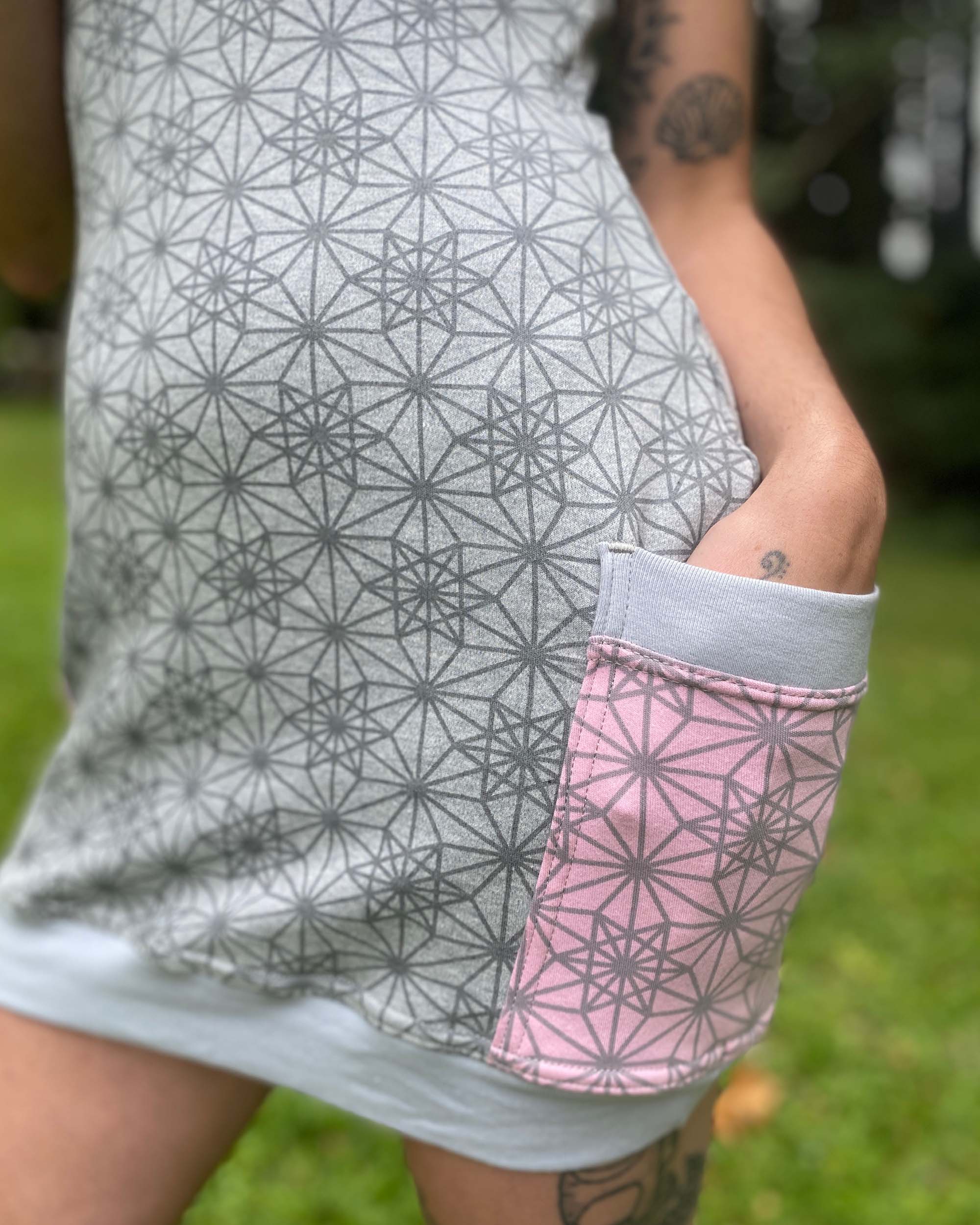
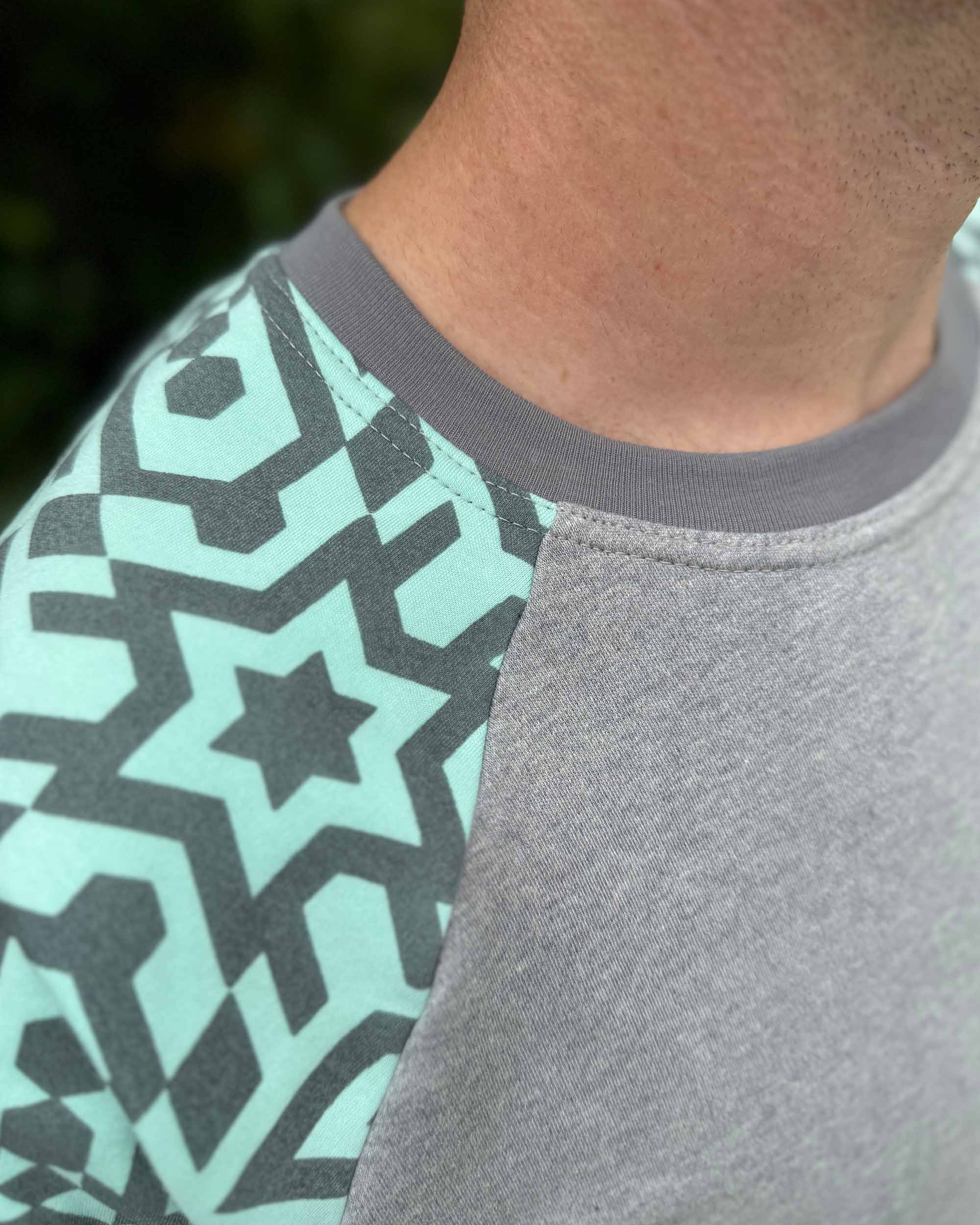
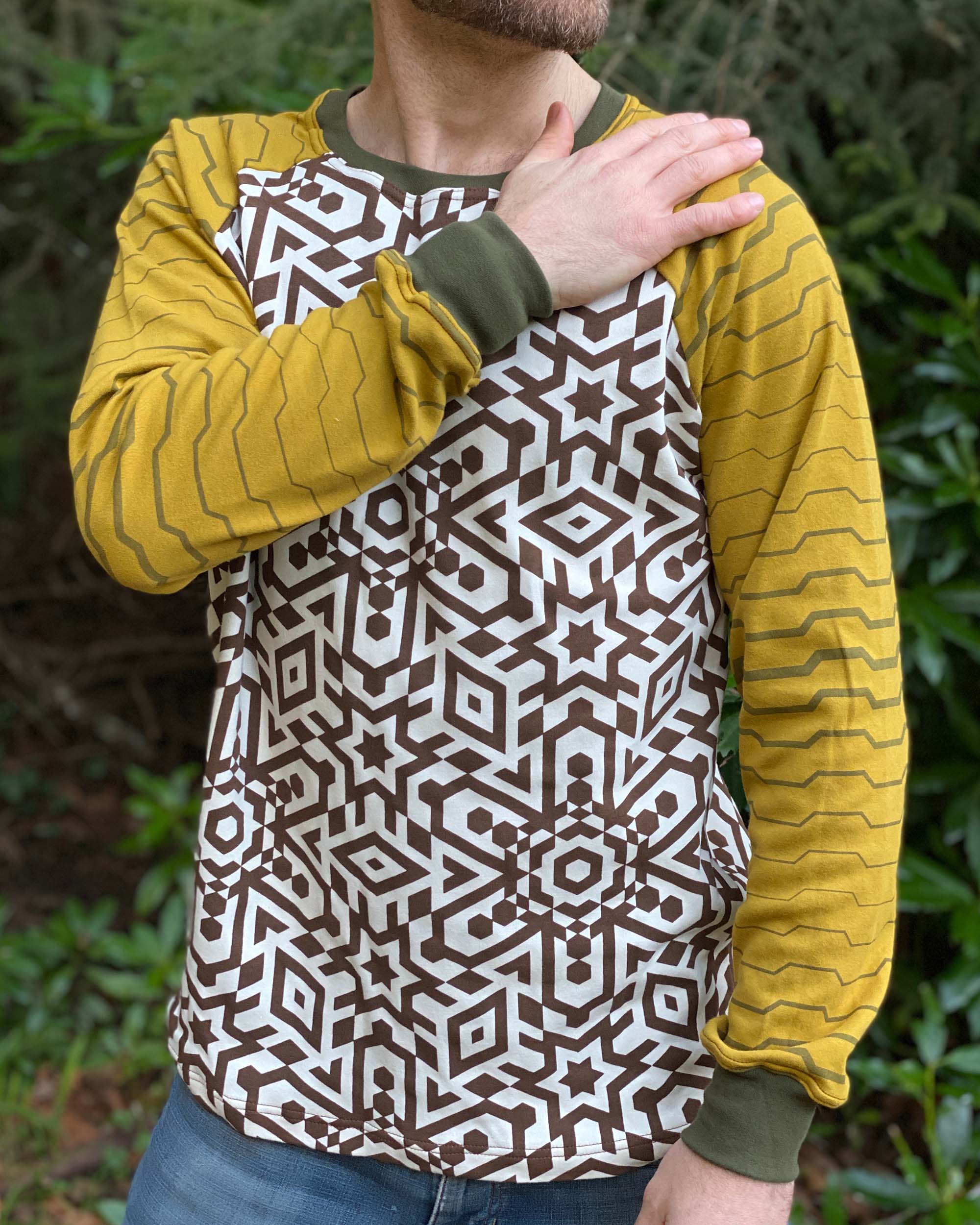
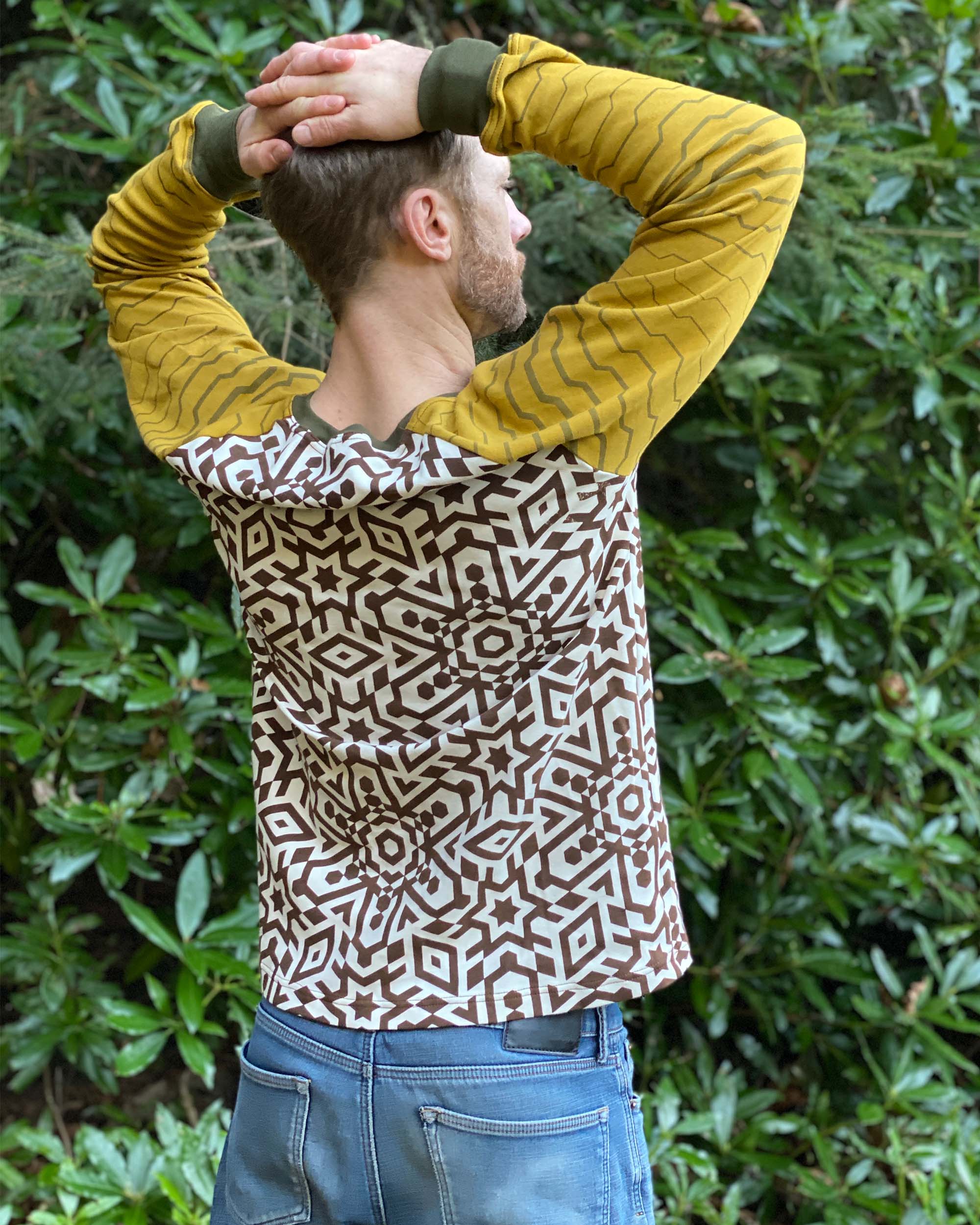
Fabric Print: 'VE' - The Vector Equilibrium


The basics:
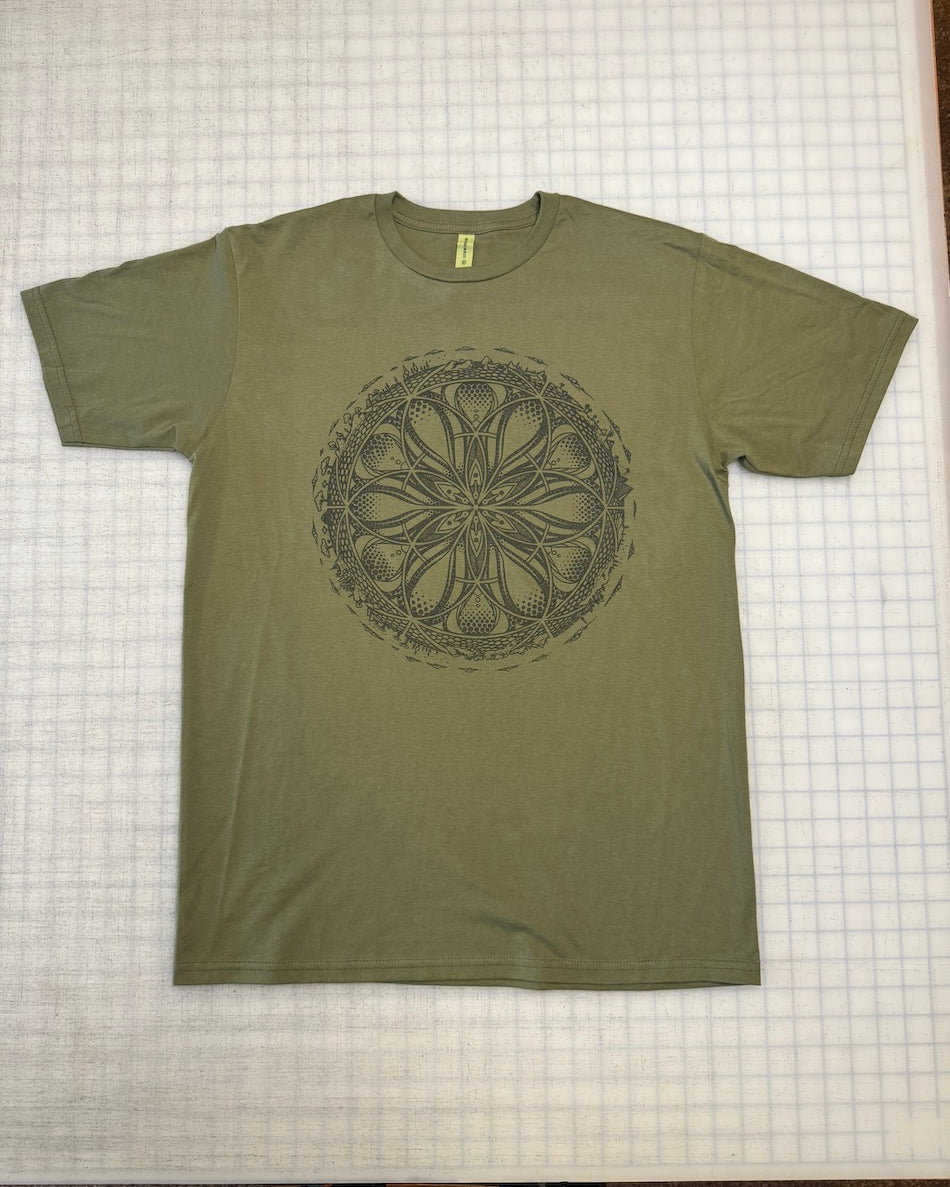
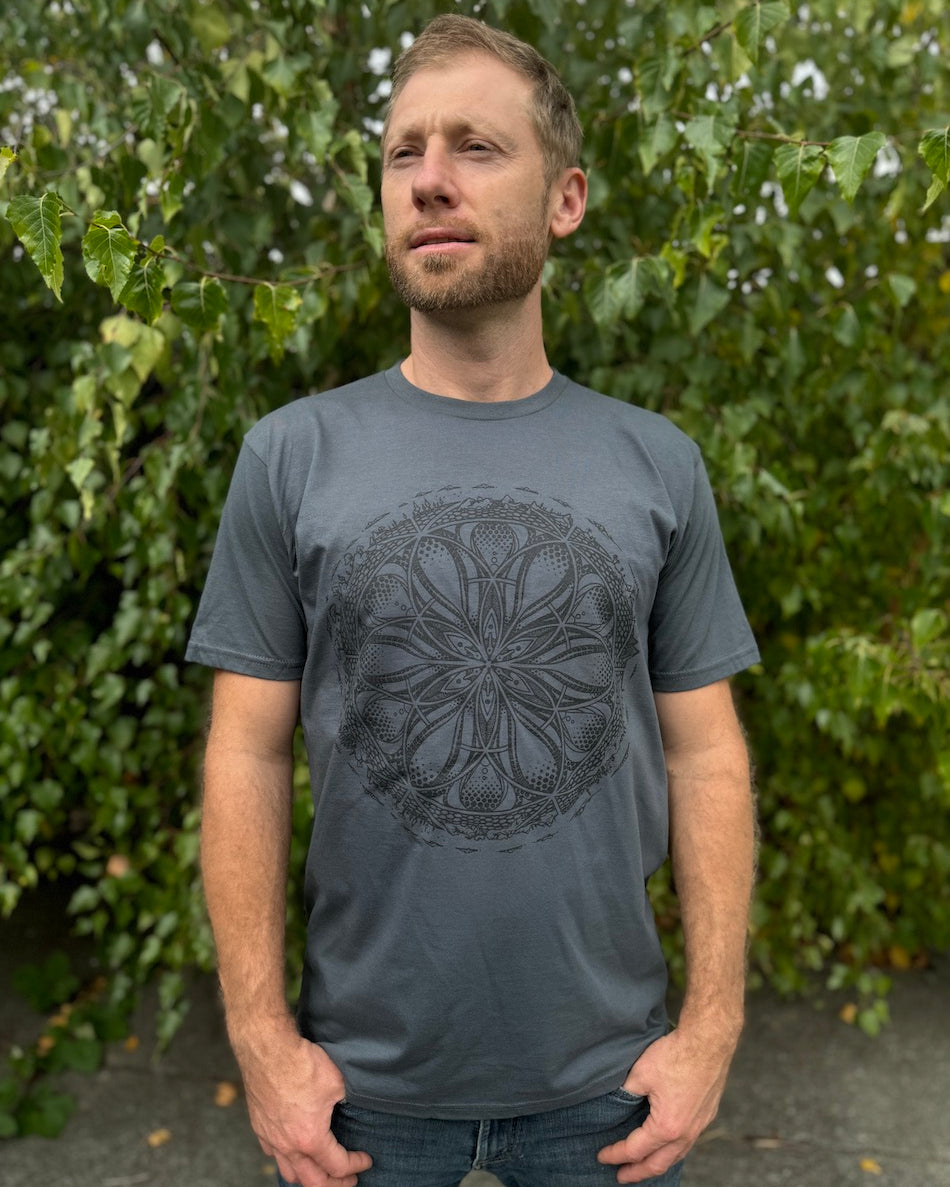
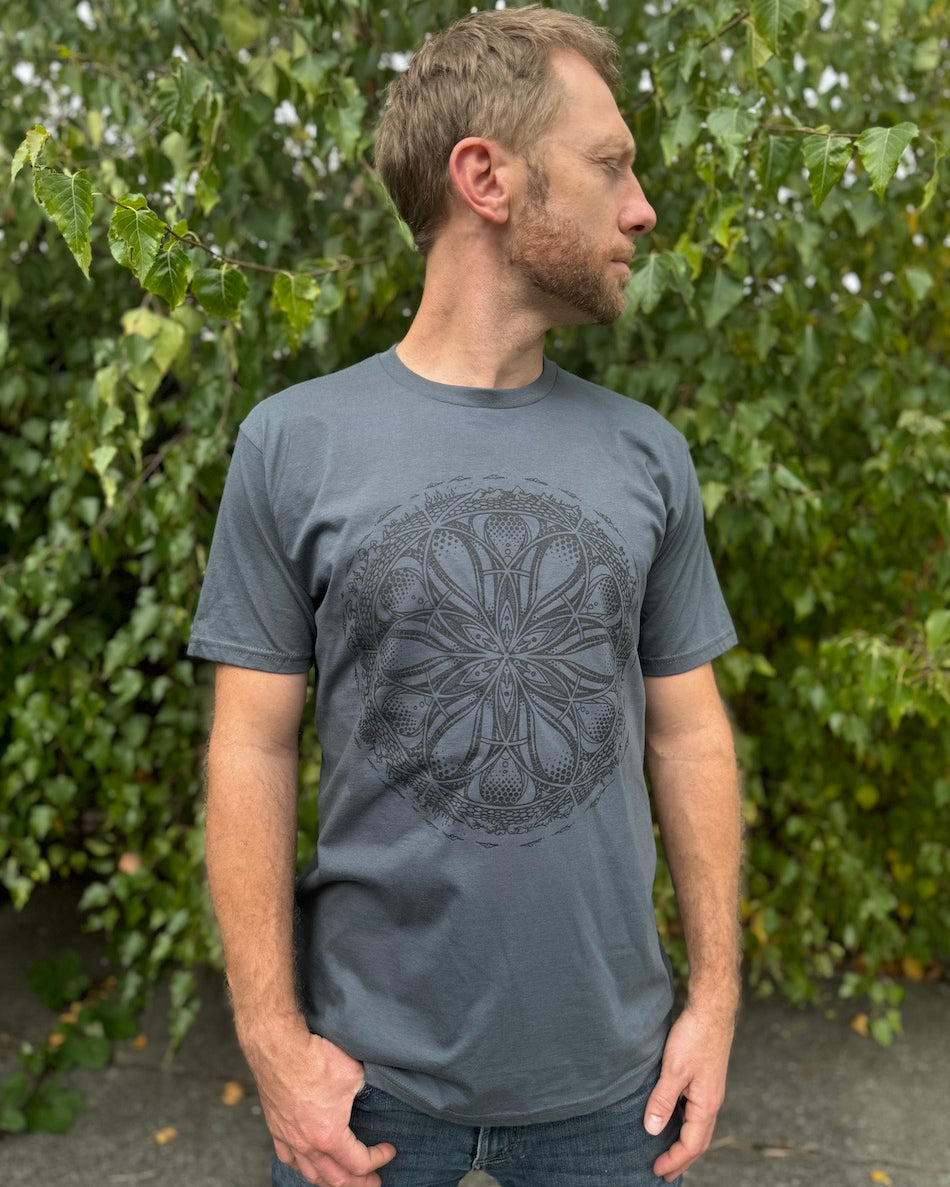
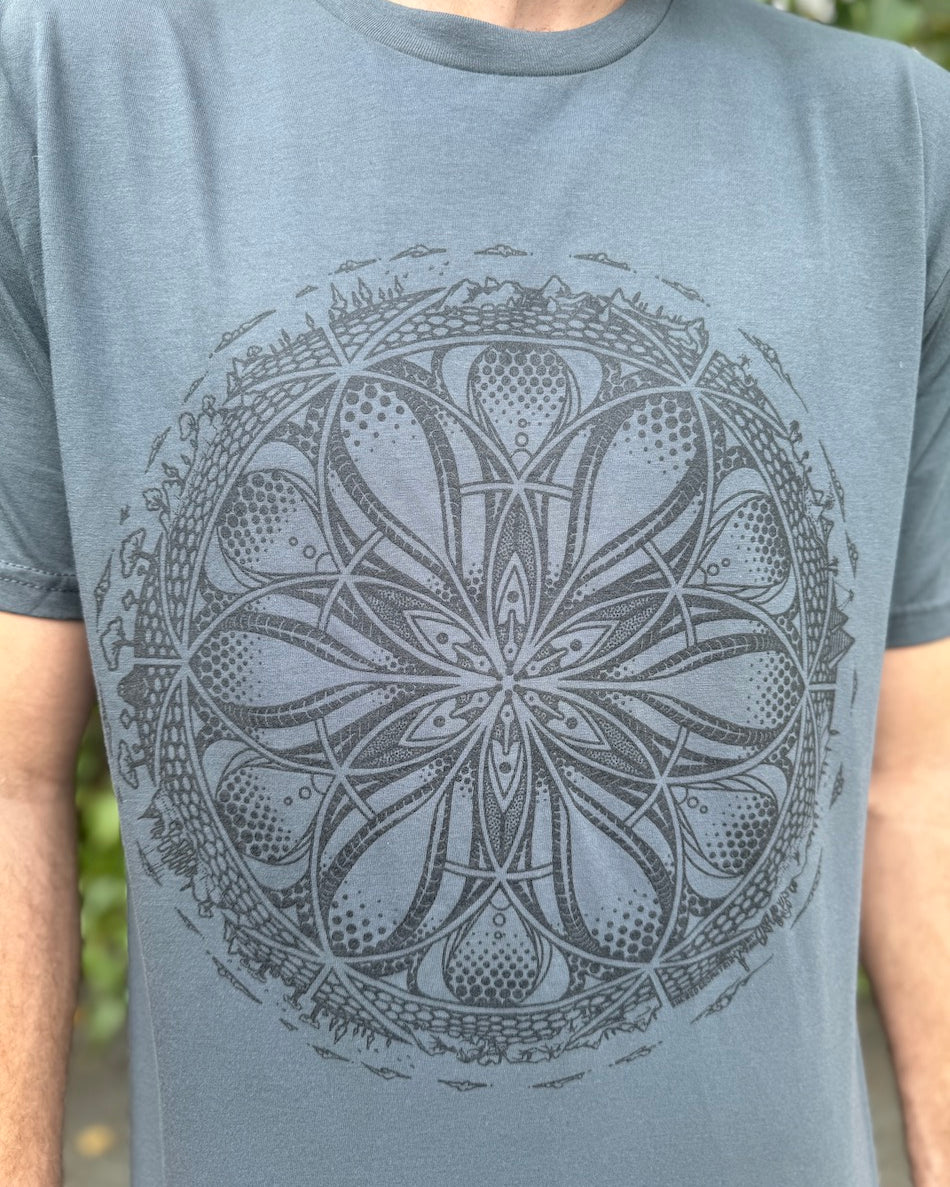
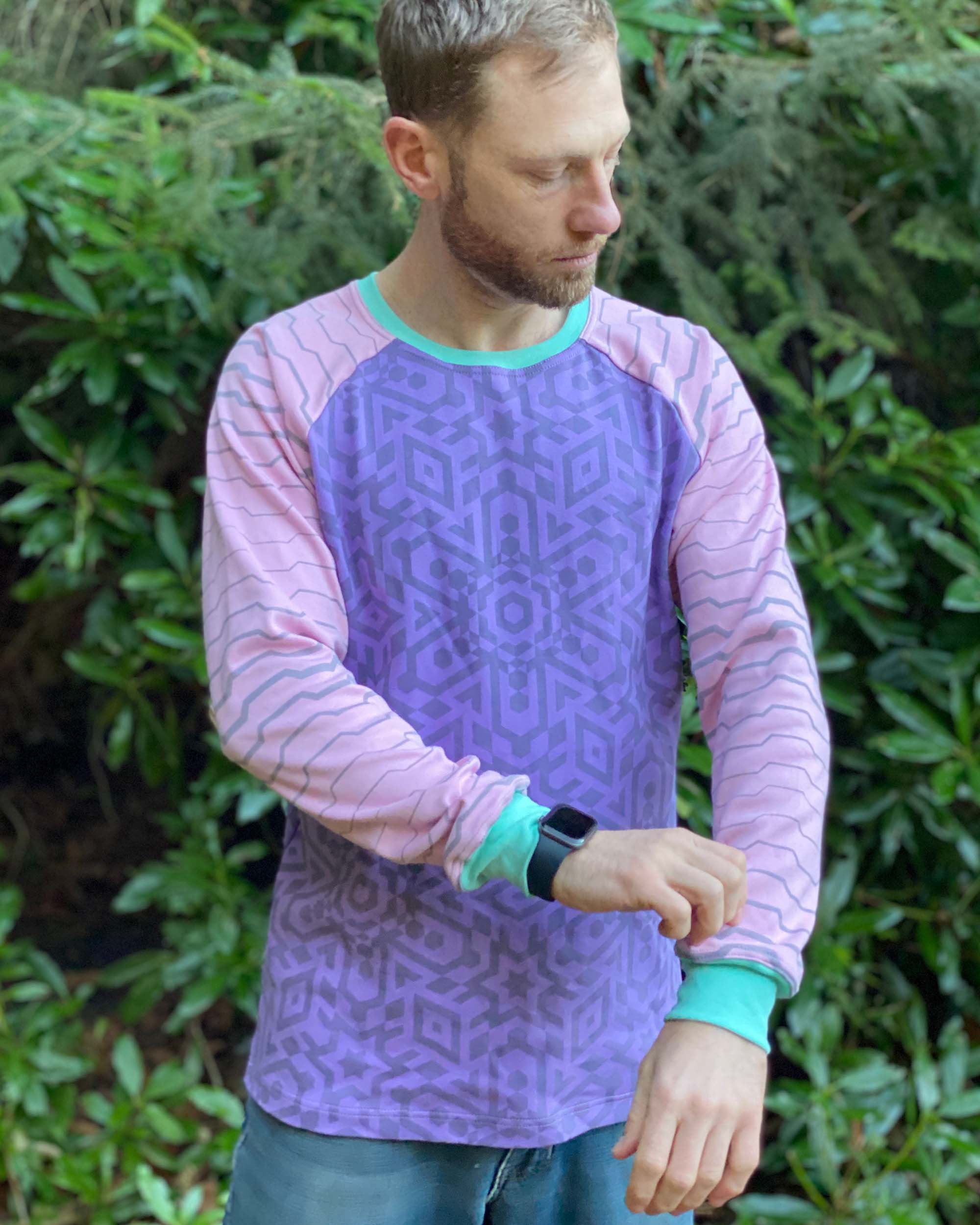
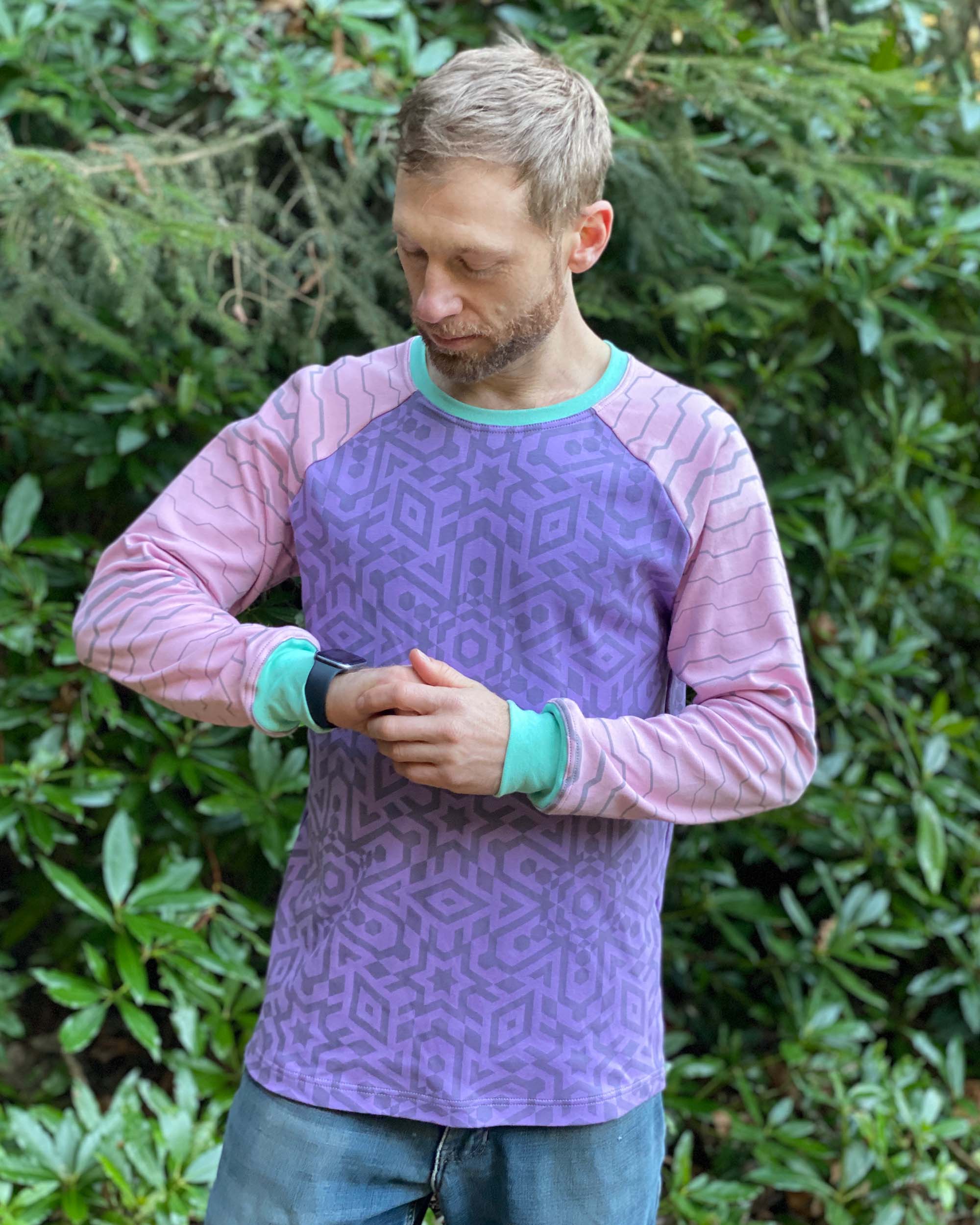
Our 'VE' pattern is a 2d grid of interconnected shapes that are a representation of the 3d geometric shape, popularized by Buckminster Fuller and known as the Cube Octahedron Vector Equilibrium. This unique structure is the only 3 dimensional shape where the length of the center vertex to an outside vertex, is the same length as the outside vertex to the outside vertex.

The Geometry:

The shape consists of 8 tetrahedrons pointing inwards, and can also be seen as a hexahedron (cube) with truncated vertexes.

The cuboctahedron can be created by truncating a cube at the centers of each edge, cutting off the corners until the original square faces become smaller squares and new triangular faces appear.

The strength and equalized vector alignment is structurally perfect. In total harmony within its own bounds, its power and strength is the basis and inspiration behind our brands logo.

The History:

Buckminster Fuller popularized the term "vector equilibrium" through his extensive writings and lectures, notably in his 1975 book Synergetics, where he described it as the fundamental geometric expression of zero-phase energy equilibrium underlying natural structures from atoms to cosmic patterns.
Fuller's involvement elevated its prominence by integrating it into his visionary work on geodesic domes, tensegrity, and universal geometry, inspiring architects, scientists, and sacred geometry enthusiasts to explore its transformative properties.
In Nature:

The cuboctahedron appears in natural systems as the geometric basis for atomic and molecular arrangements, particularly in close-packed crystal lattices like those of noble metals (e.g., gold, silver) and certain alloys, where its 12-fold coordination reflects efficient space-filling and energy minimization. It manifests dynamically in viral capsids and protein shells through self-assembly processes that favor its high-symmetry structure for stable enclosure, as seen in some icosahedral viruses. Additionally, its dual rhombic dodecahedron form emerges in bee honeycombs, where hexagonal prisms are capped with half-rhombic dodecahedra, optimizing storage and structural integrity in biological architecture.
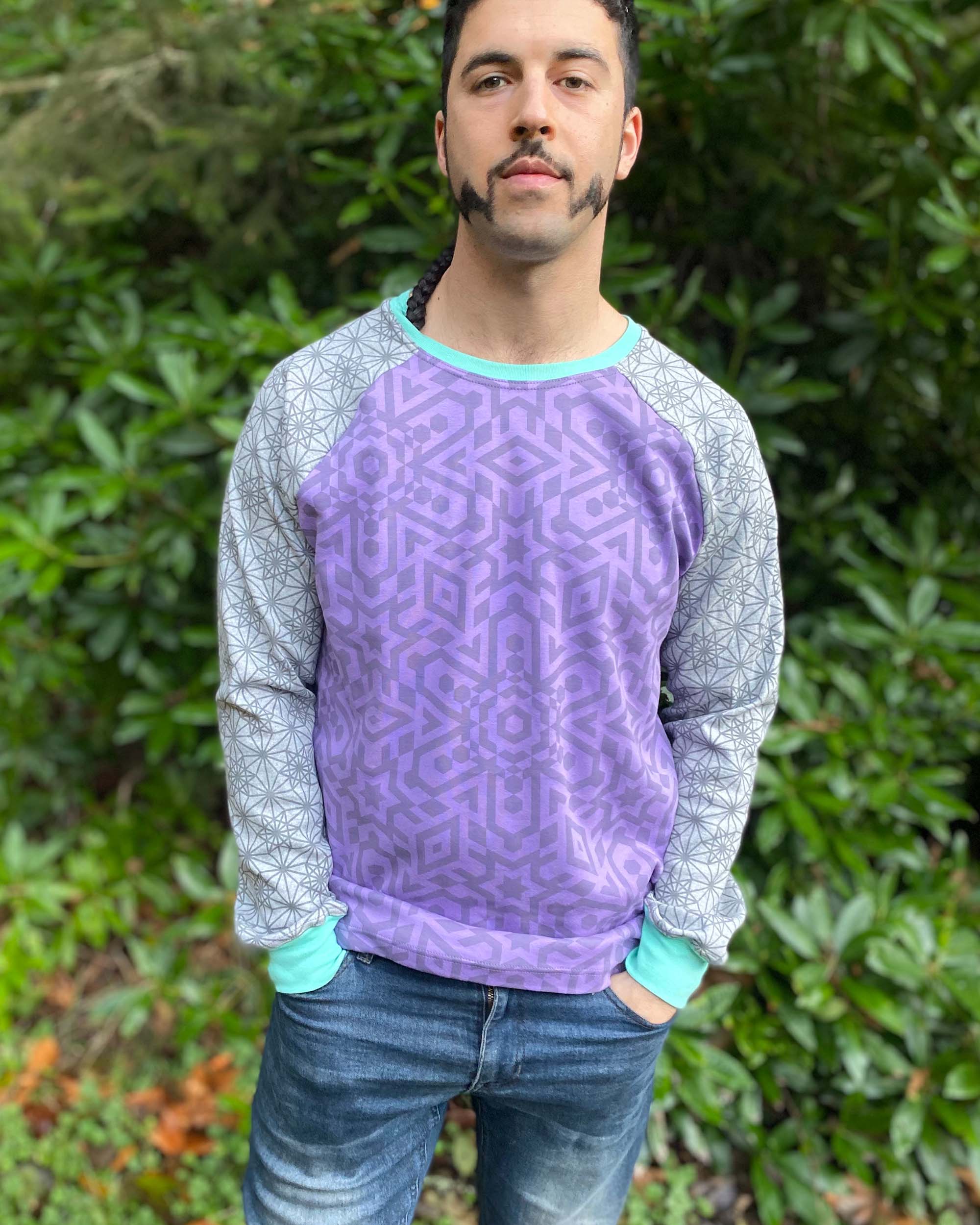
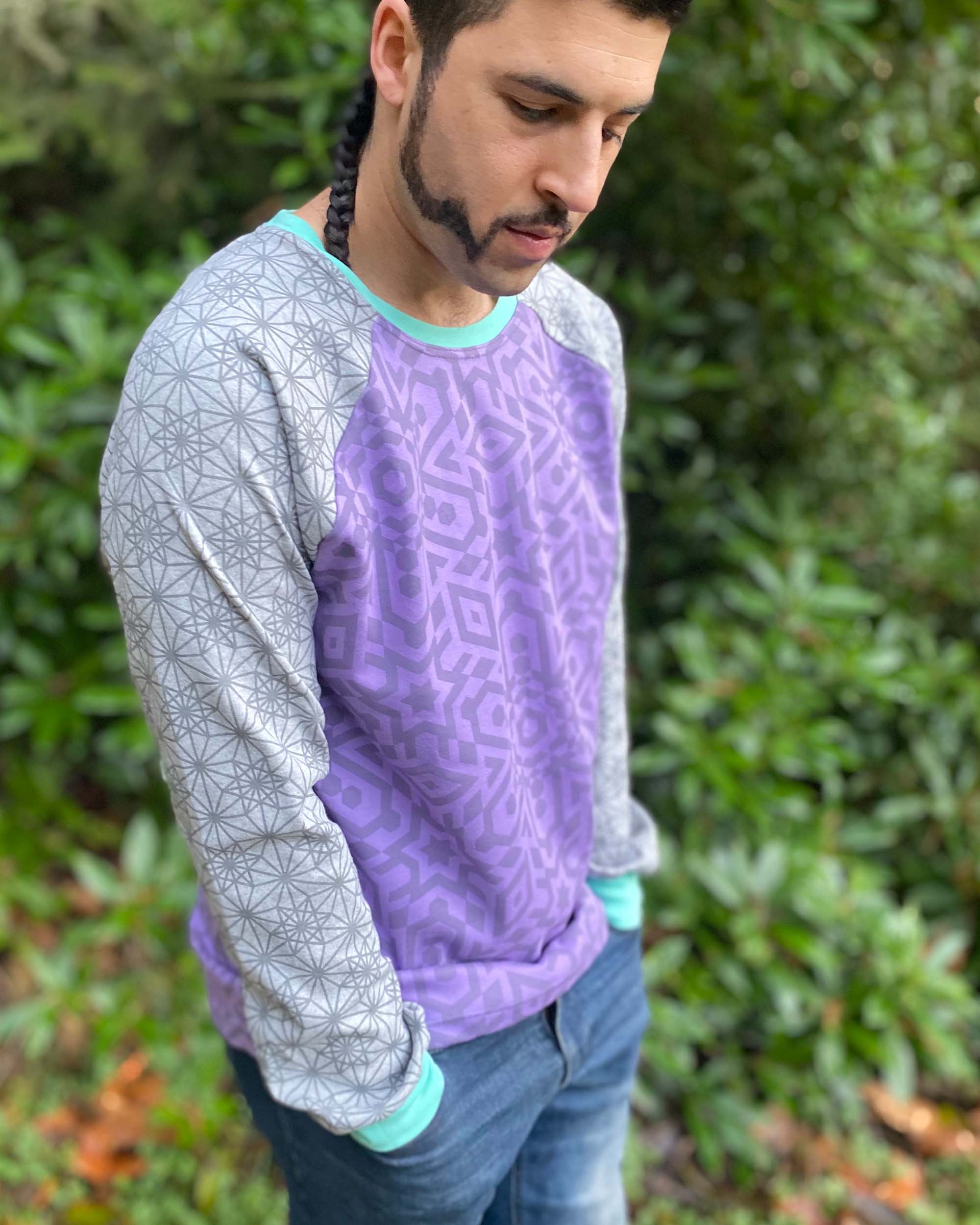
Fabric Print: 'Starburst' - 64 Tetrahedron Grid


The Basics:
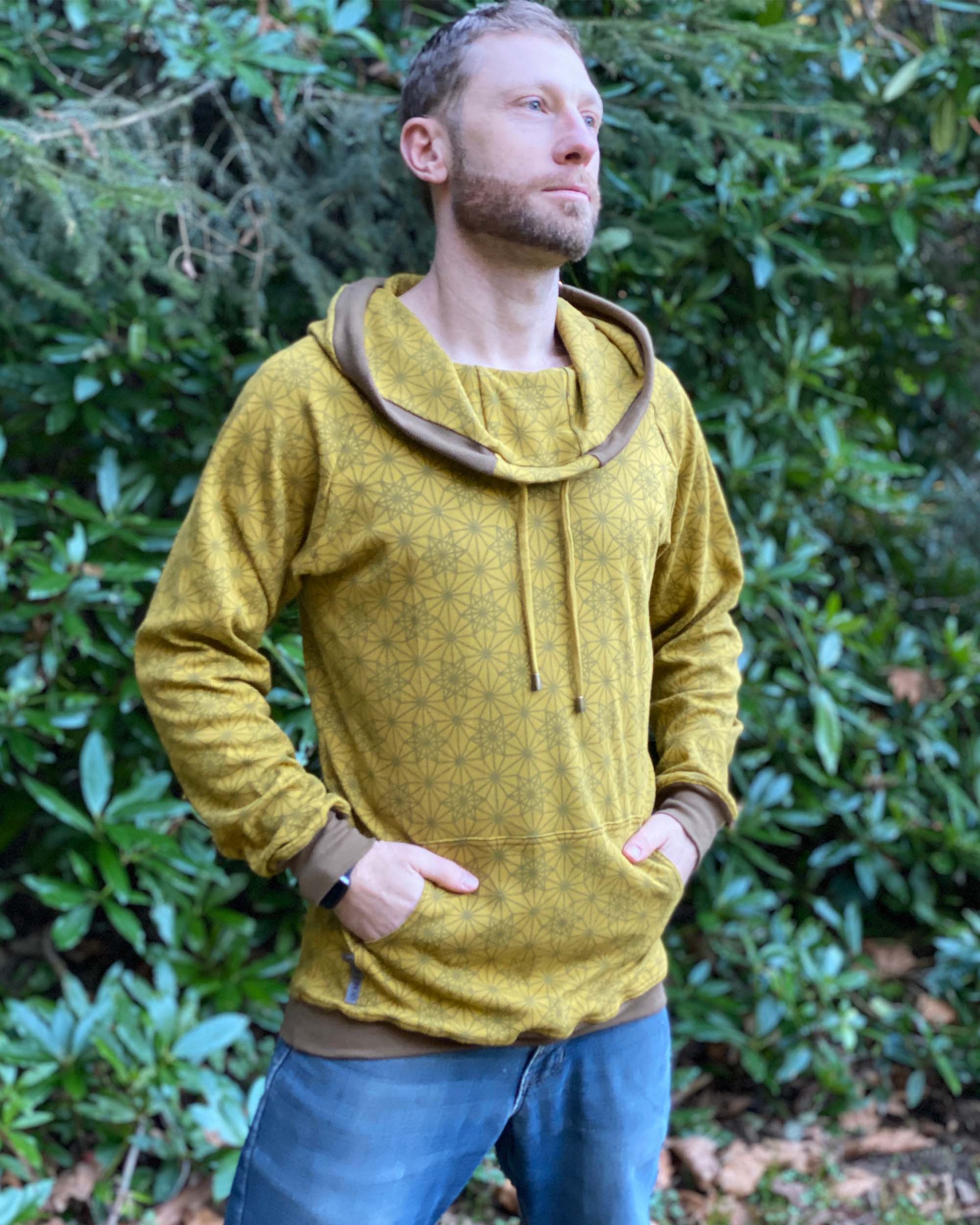
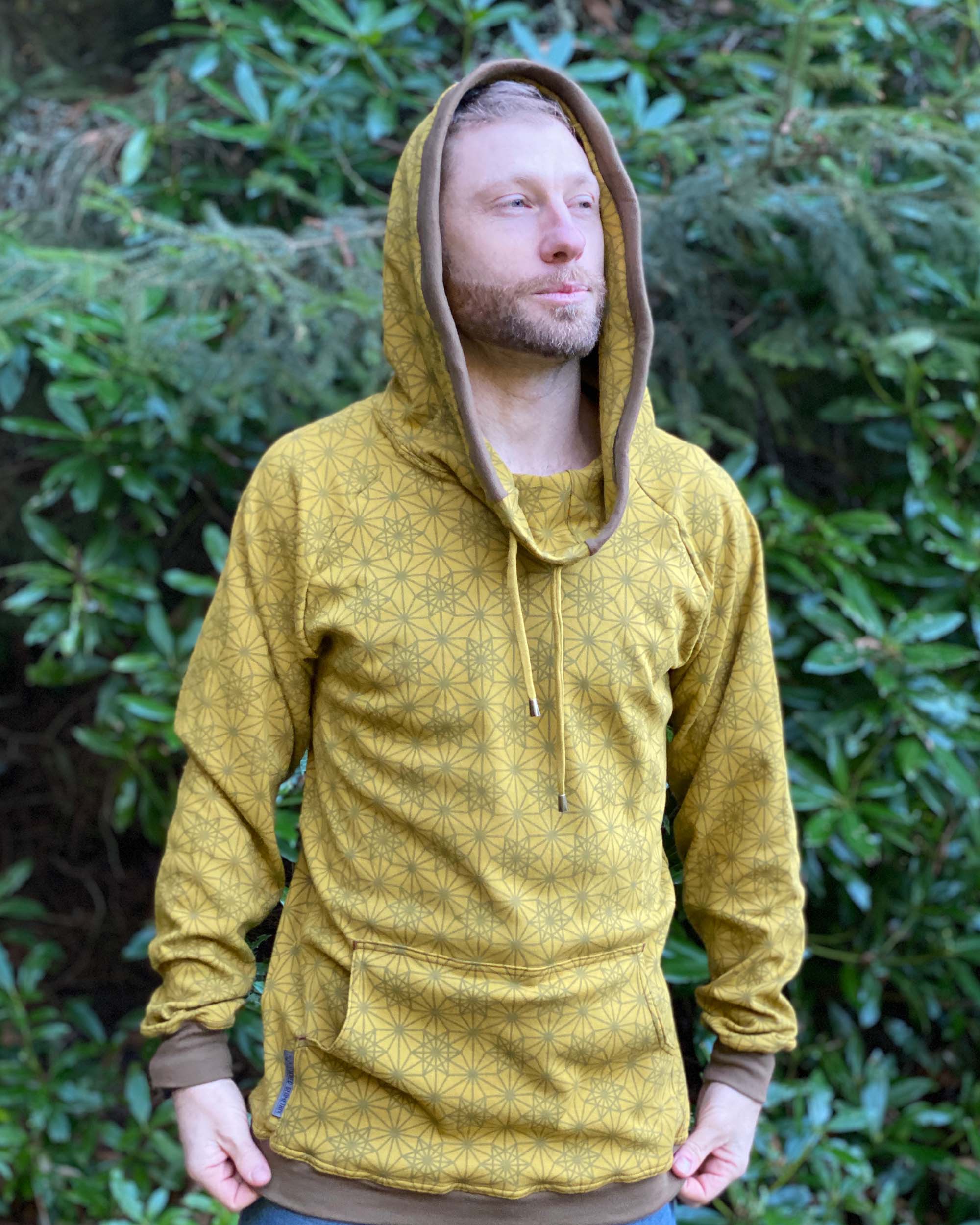
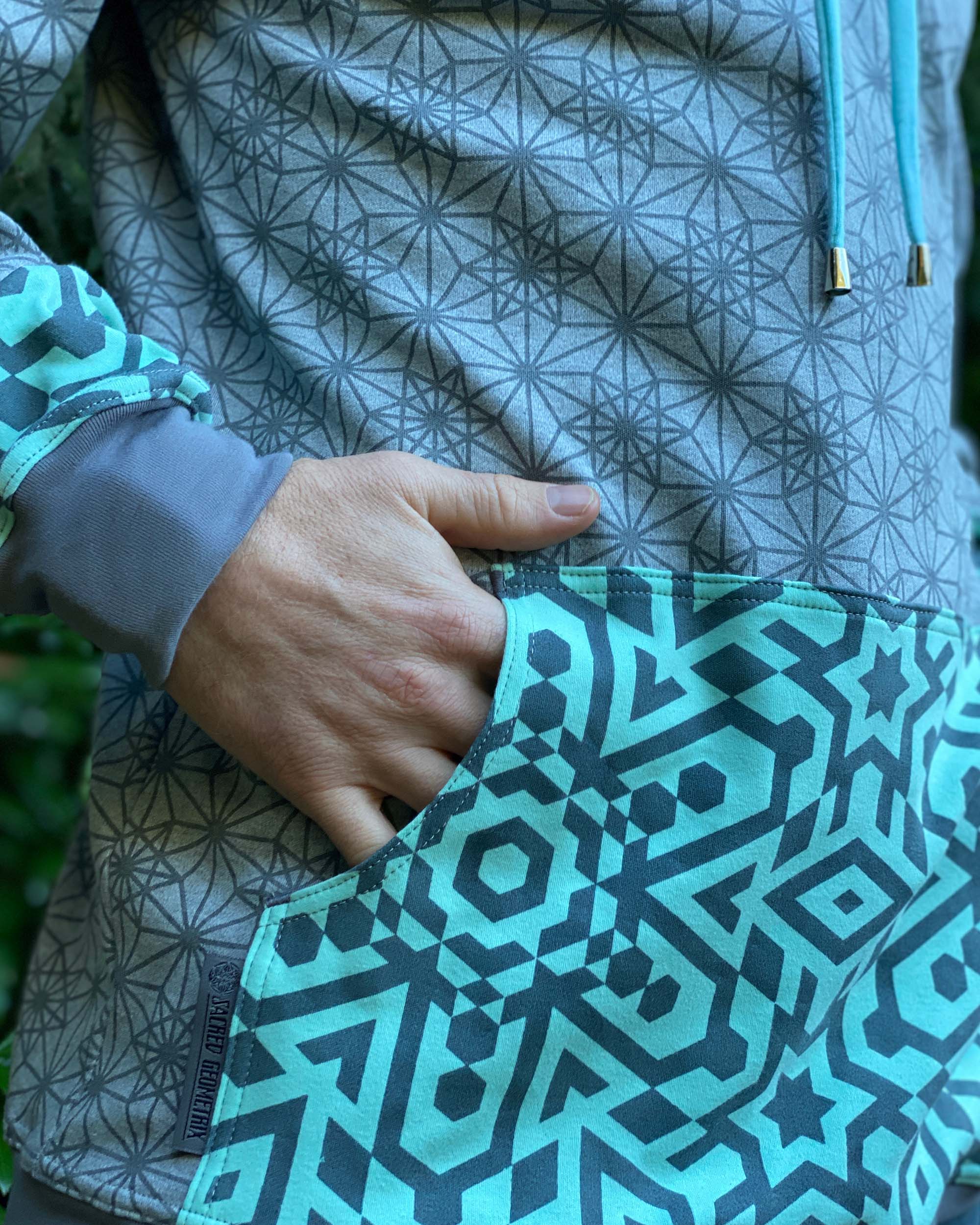
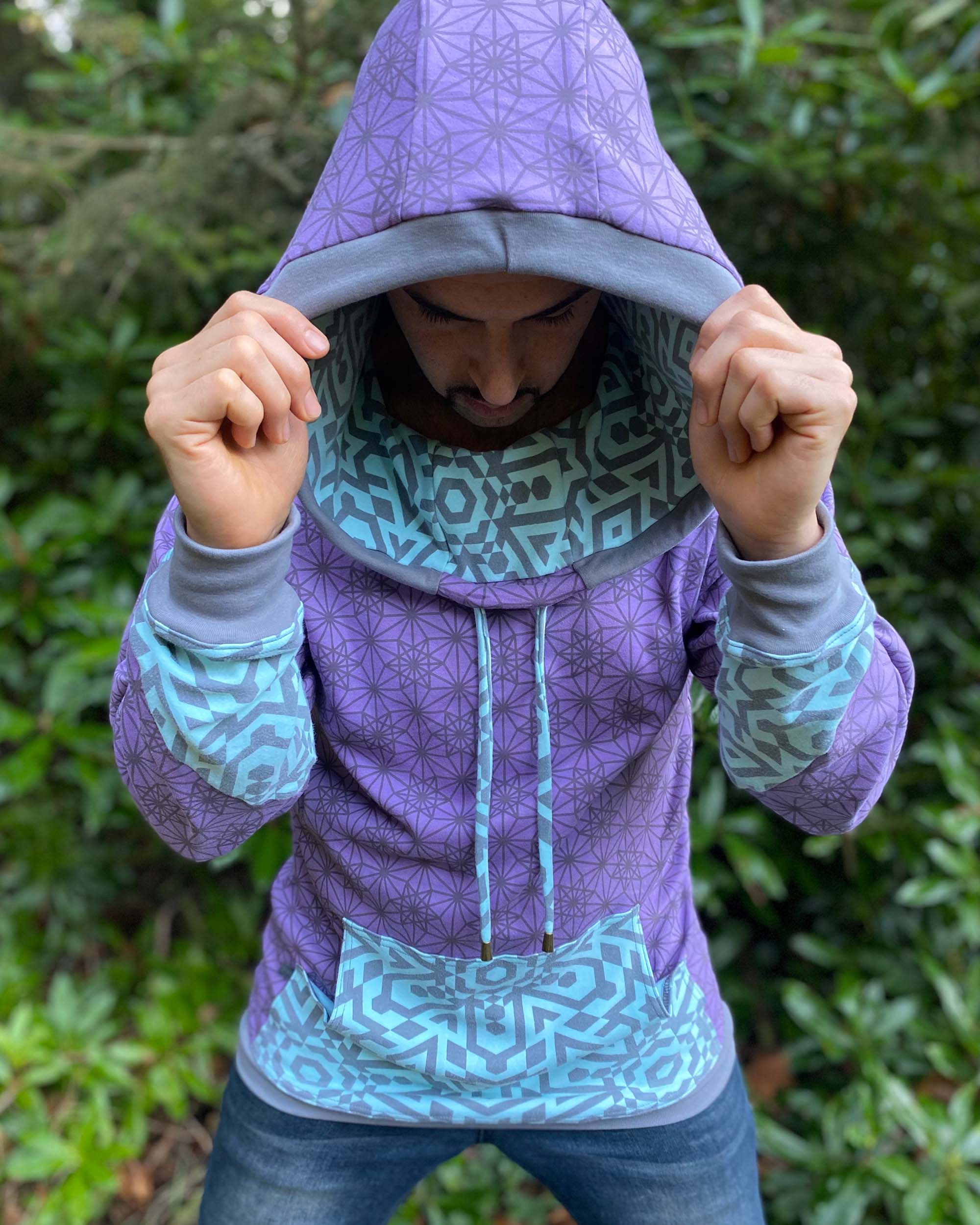
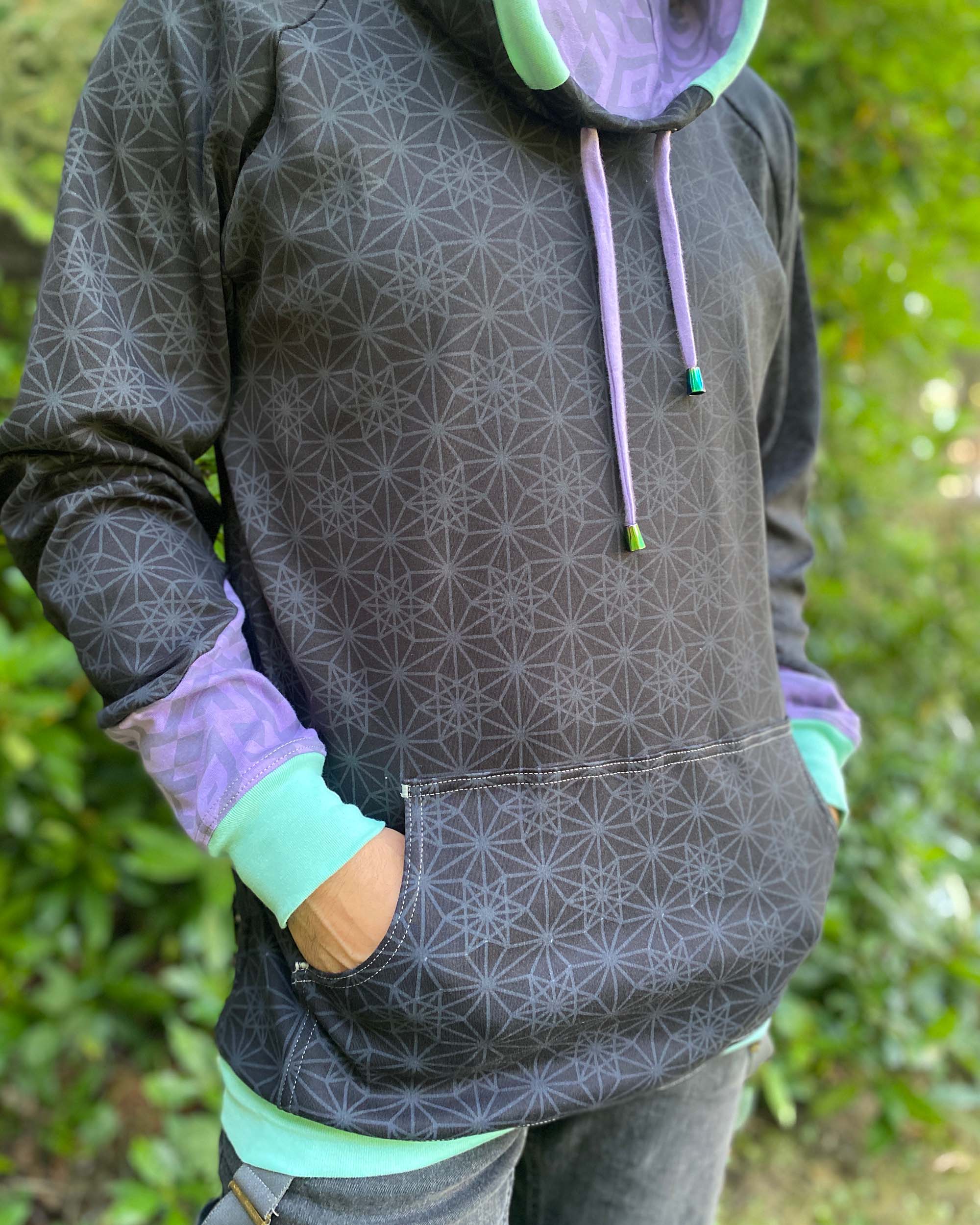
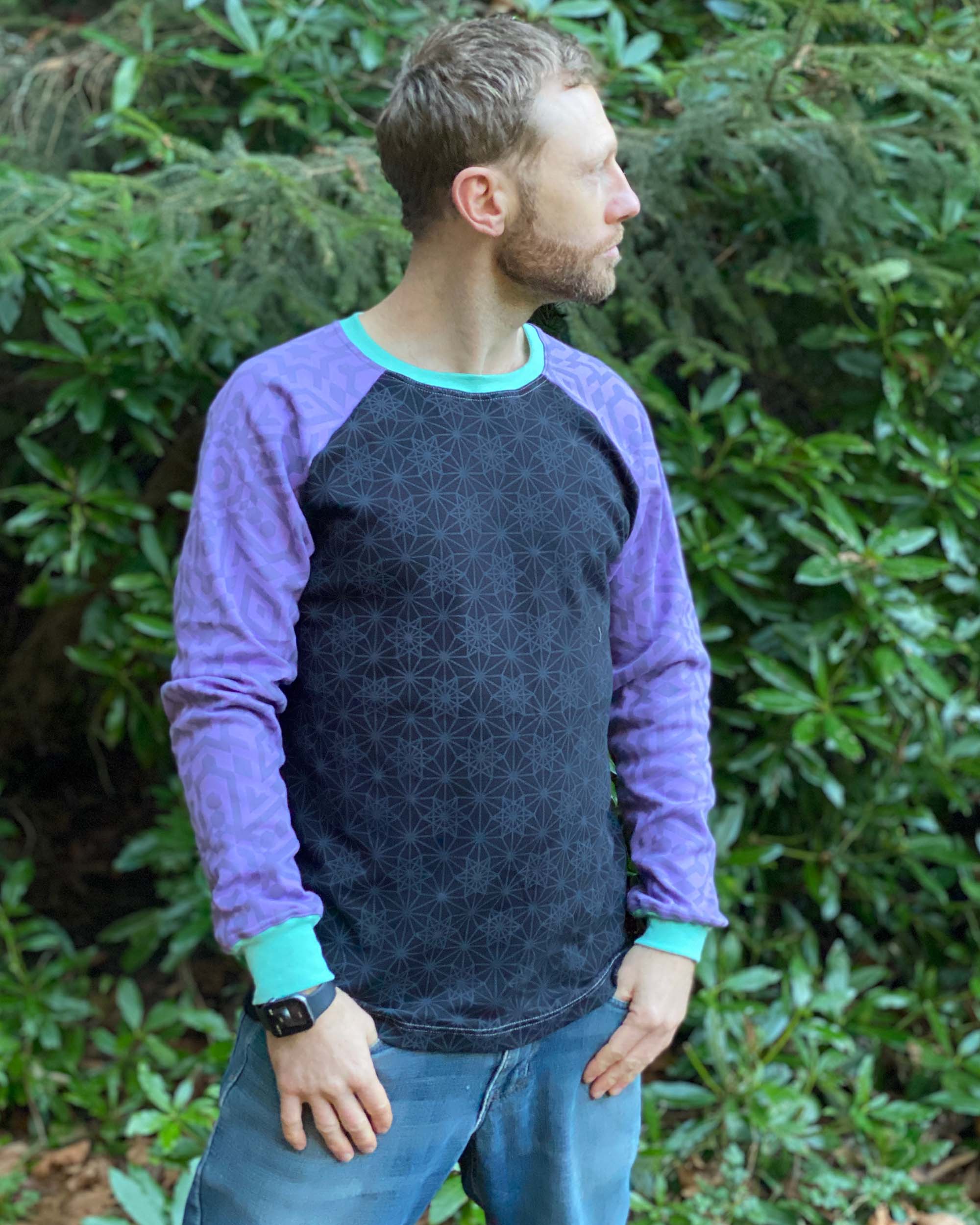
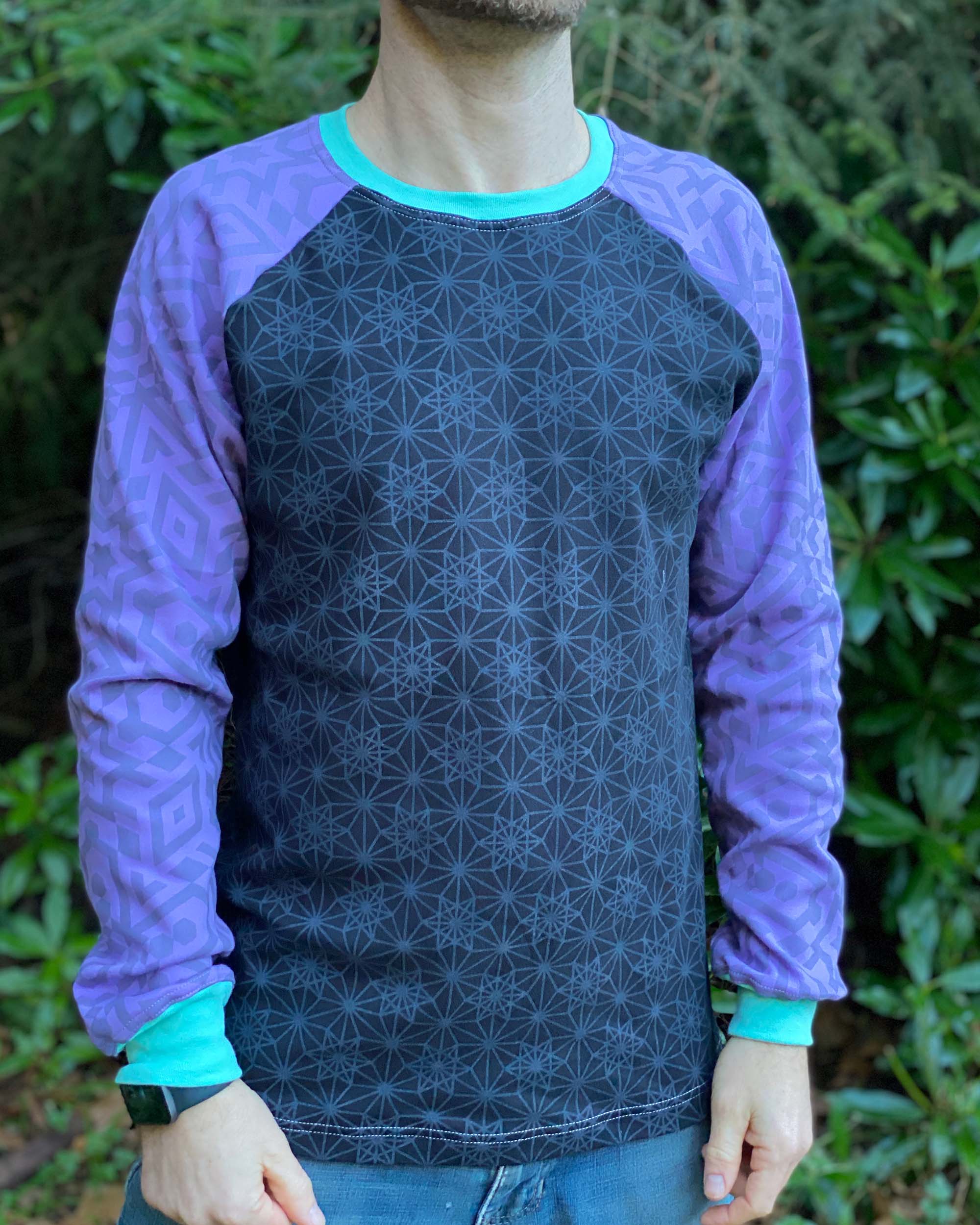
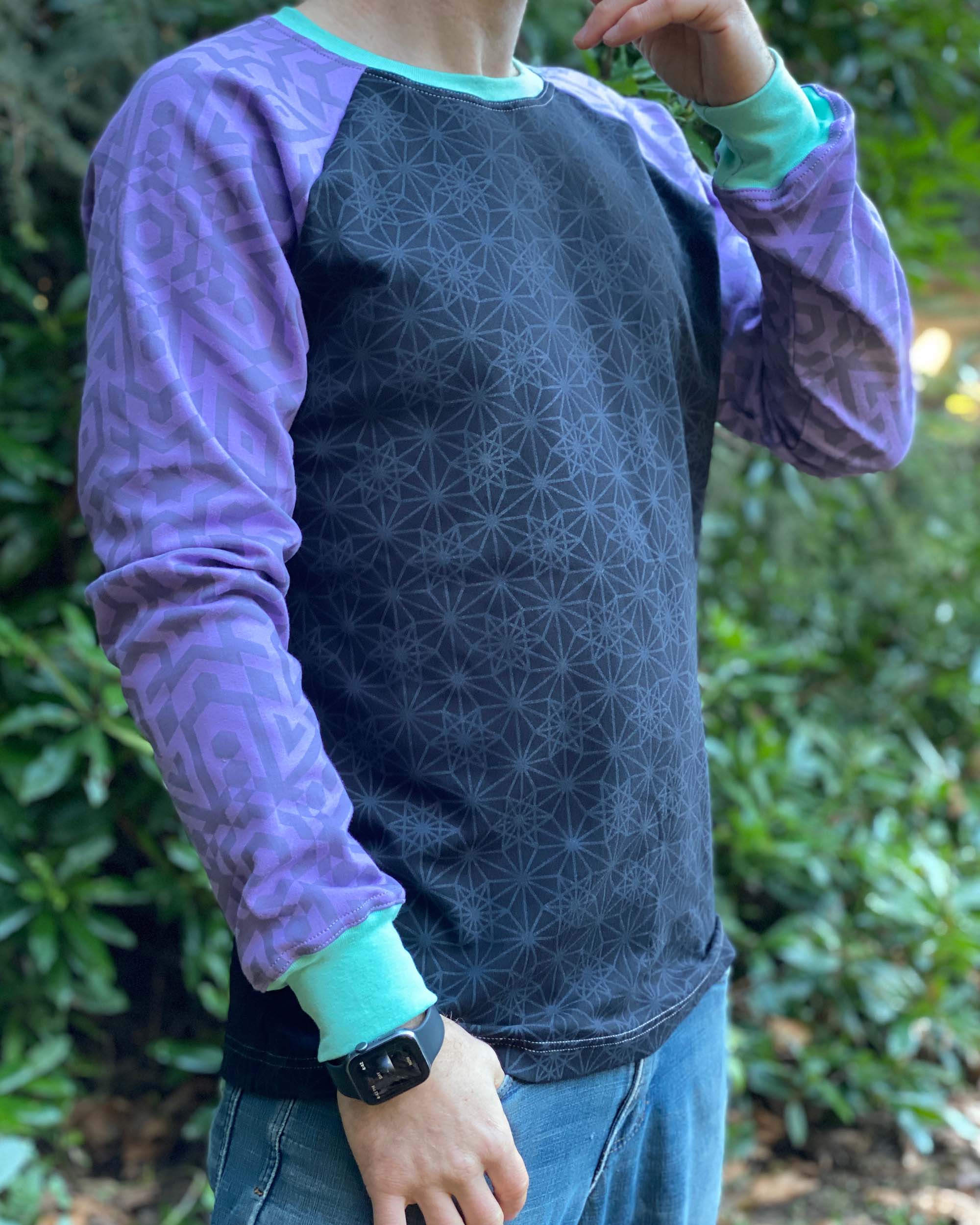
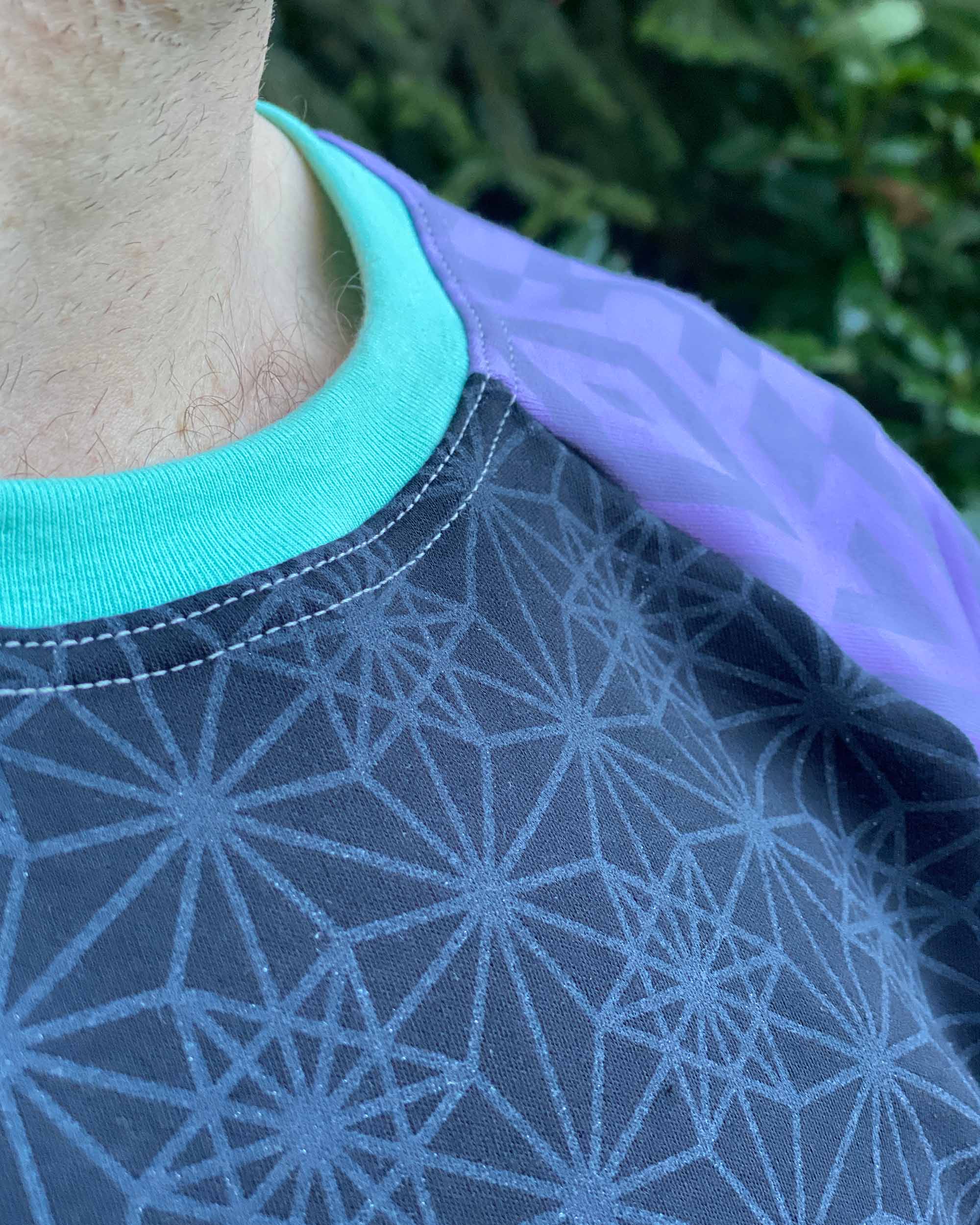
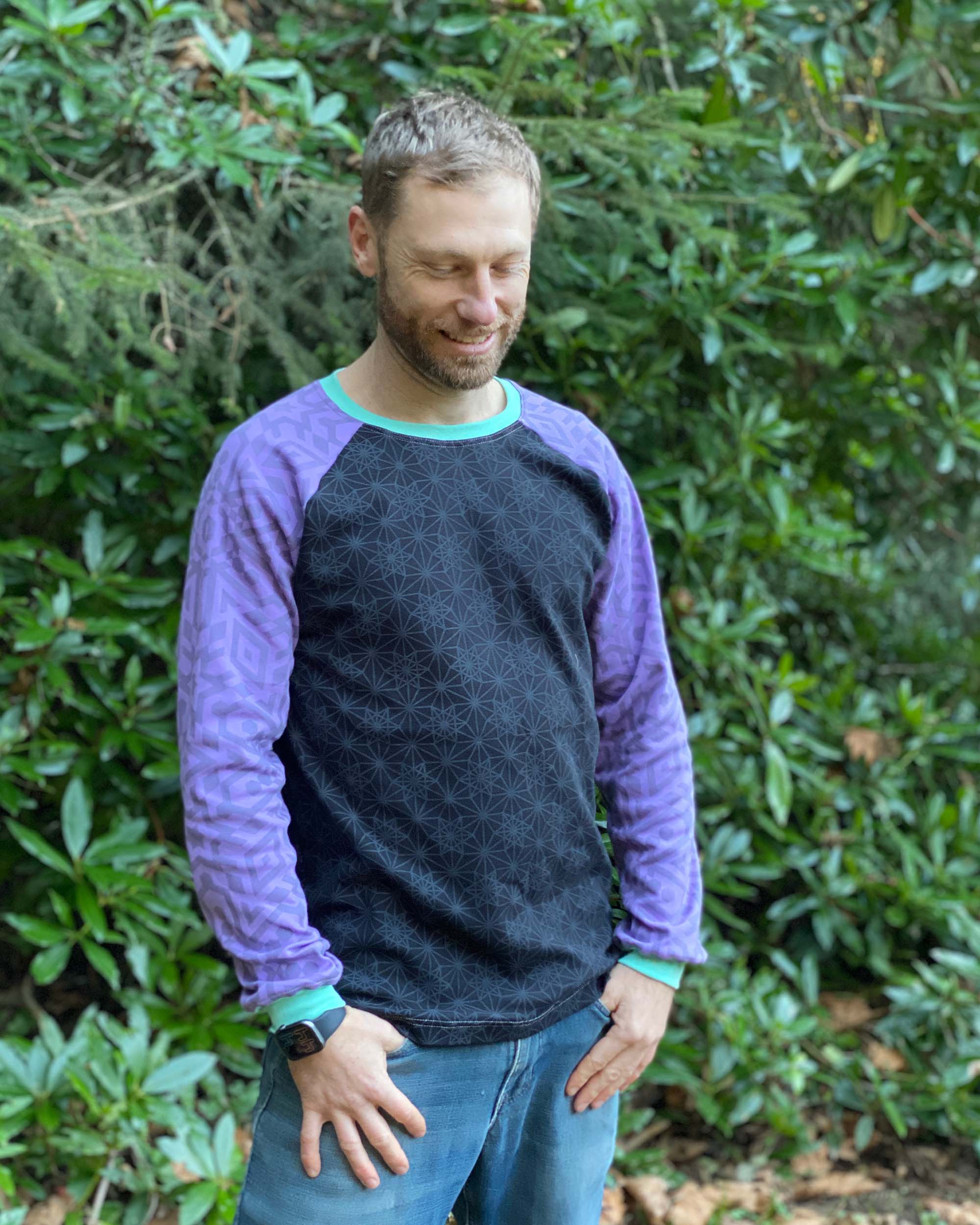
This fabric print consists of many six pointed hexagonal stars and a special geometrical shape known as The 64 Tetrahedron Grid.


The shape is composed of 8 stellated octahedrons, (known colloquially as "star tetrahedrons."), which themselves are comprised of 8 tetrahedrons each.

The stellations are tetrahedrons, with edge vertexes that correspond perfectly to the 8 edge vertexes of a cube. Combining 8 of these stellated octahedron structures together creates a super structure called the 64 Tetrahedron Grid.

When these all combine together something incredible happens, they create a vector equilibrium at the center, and the outermost edges form the shape of another vector equilibrium.

The Geometry:
Similar to the stellated octahedron its composed of, the 64 Tetrahedron Grid at certain angles appears cubic, while at others it appears to be hexagonal.
The History:
This shape is thought to be an answer to the mysteries surrounding the ancient symbol found in the Kabbalah, The Tree of Life.
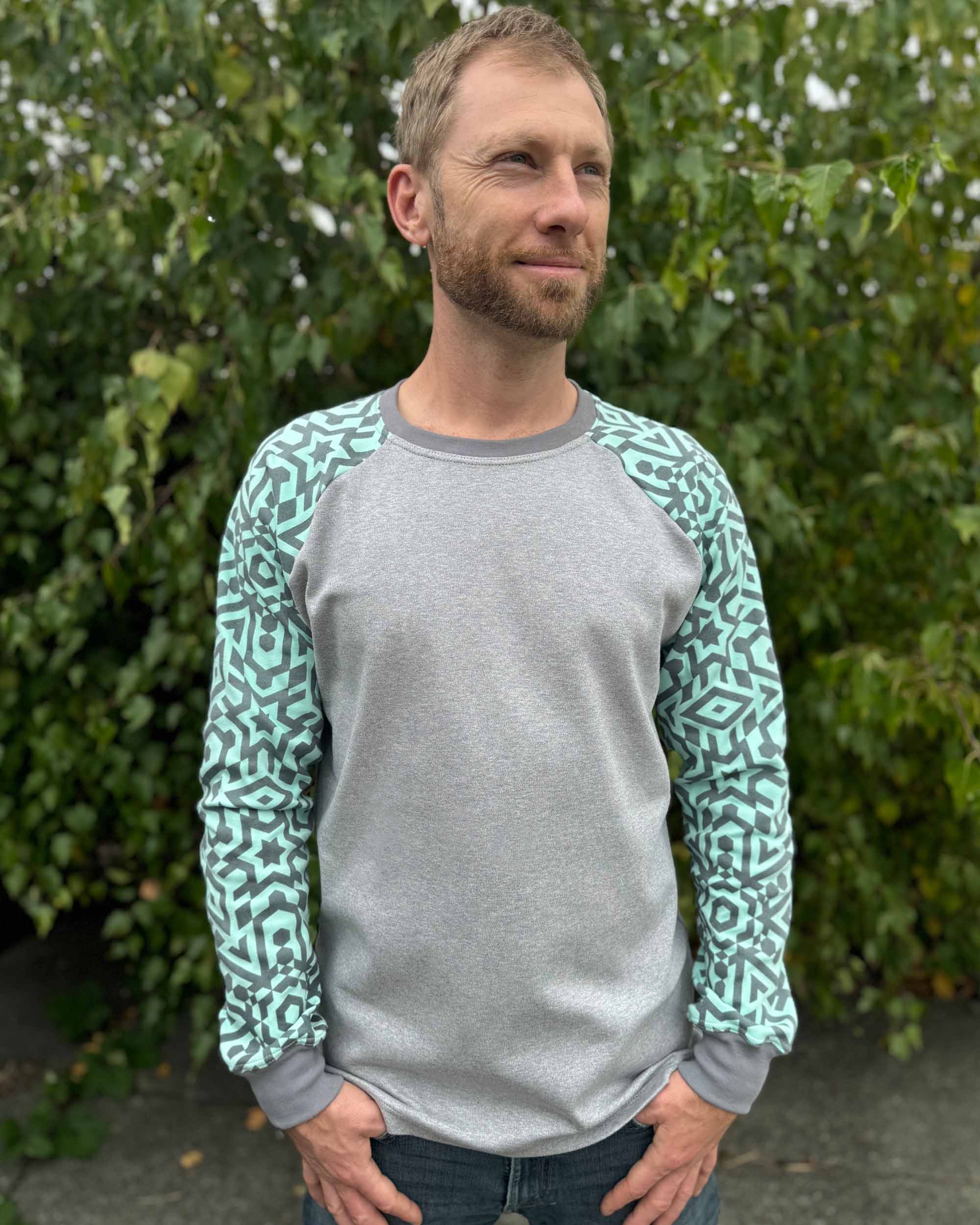
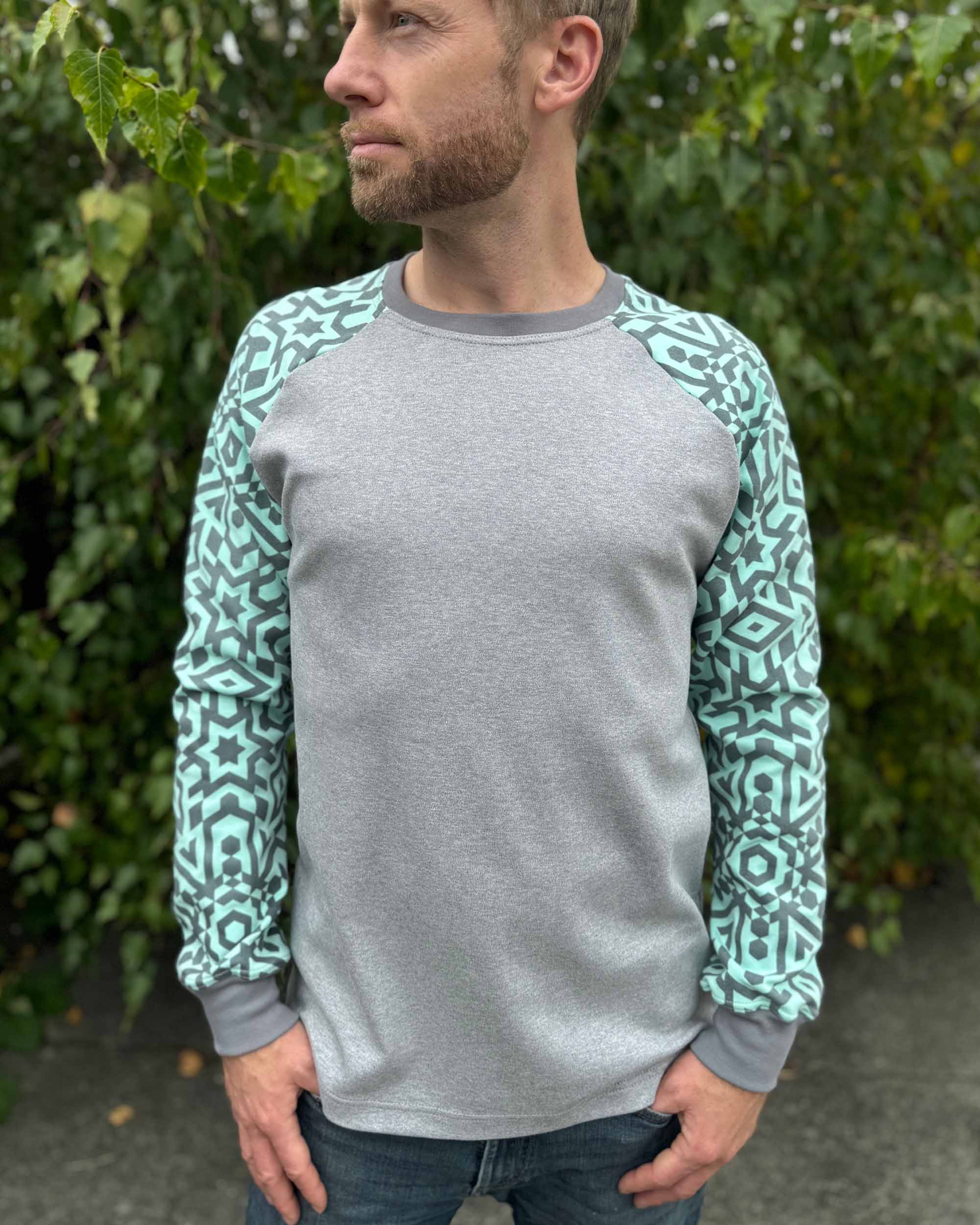
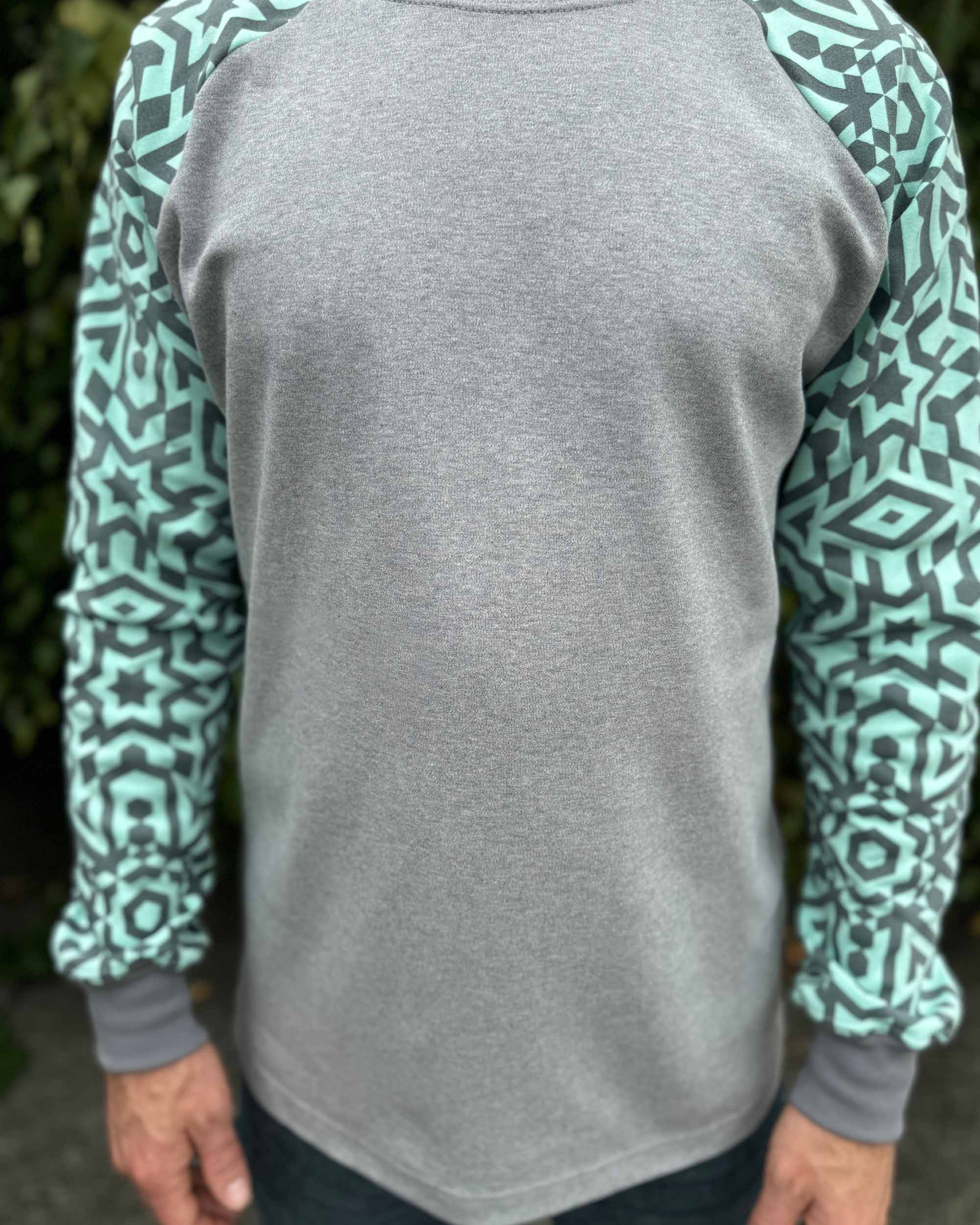
Fabric Print: 'Repdigital' - Golden Ratio/ Phi

The Basics:
This fabric was inspired by reptile skin and geometric stripe patterning. The thickness of the design's line widths use the same geometric ratio found throughout the natural world and cosmos: The Golden Ratio.

The Geometry:
The golden ratio is a specific way of dividing a line so that the ratio of the whole length to the longer part equals the ratio of the longer part to the shorter part, giving a value of about 1.618. Geometrically, it appears in a “golden rectangle,” where the long side divided by the short side is this same ratio, and cutting off a square leaves a smaller, similar golden rectangle.

If you inscribe quarter-circle arcs in a sequence of such squares, their curves join to form the characteristic logarithmic “golden spiral.”
The History:
The golden ratio appears in Euclid’s Elements (around 300 BCE), where it is described as division “in extreme and mean ratio.” It was later connected to the Fibonacci sequence described by Leonardo of Pisa (Fibonacci) in the 13th century, when people noticed that ratios of successive Fibonacci numbers approach the golden ratio. Over centuries it gained names like “divine proportion” and attracted interest from artists, architects, and mathematicians for its inherent and aesthetic harmony in geometric resonance with greater universal forces.
In Nature:

Spiral growth patterns in nautilus shells and many other seashells approximate the golden spiral, with chamber sizes increasing by roughly the golden ratio as they expand outward. The arrangement of seeds in sunflower heads and the spirals in pinecones and many flower heads follow Fibonacci numbers, so that relative spacing between elements reflects the golden ratio helping them pack more efficiently. This golden proportion has been observed in hurricanes, spiral arm galaxies, and aspects of human anatomy such as finger and facial proportions.


Want to learn more?
For our in depth guide into Sacred Geometry, ancient symbolism and their significant role in human history, please visit:
The Sacred Geometrix Guide into Sacred Geometry


